Jal Shakti Minister Paatil joins Chhath Puja in Surat
Synopsis
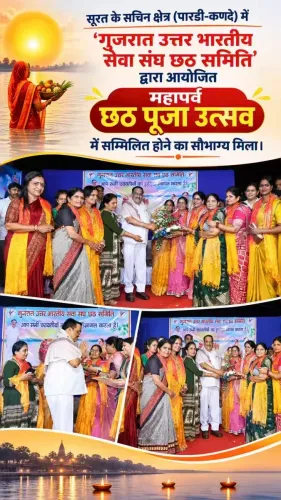
Union Jal Shakti Minister C. R. Paatil attended Chhath Puja celebrations organised by the Gujarat Uttar Bharatiya Seva Sangh Chhath Samiti in Surat on 15 November 2026, meeting fasting devotees and praising North Indian migrants' contribution to Surat's cultural unity.
Key Takeaways
Union Jal Shakti Minister C.
Paatil attended Chhath Puja at Pardi-Kanade and Sachin in Surat on 15 November 2026 .
The event was organised by the Gujarat Uttar Bharatiya Seva Sangh Chhath Samiti , a local North Indian community body.
Paatil met fasting devotees ( vratis ) and praised their 'exemplary dedication' to the four-day vow of fasting and sun worship.
He acknowledged the North Indian migrant community's role in Surat's cultural and social fabric.
The visit reflects a broader BJP pattern of senior leaders engaging with migrant-community festivals across Gujarat.
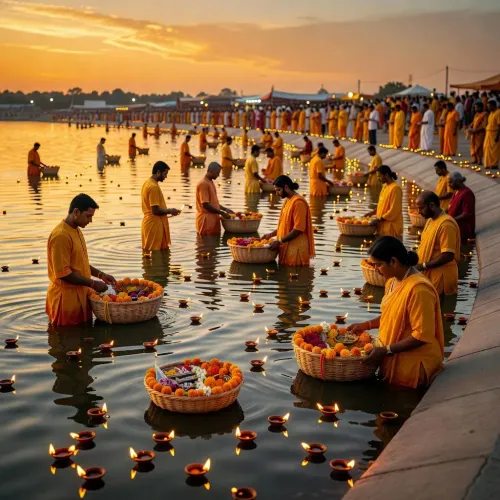
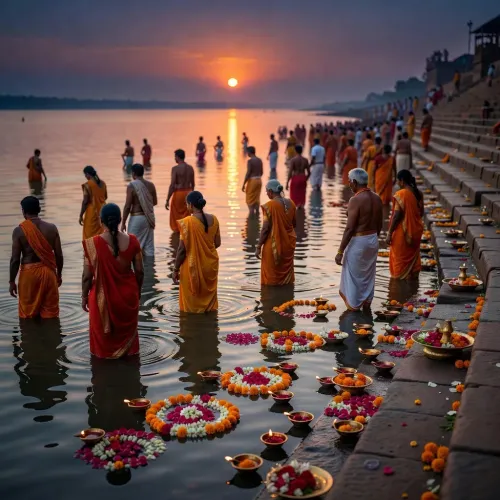
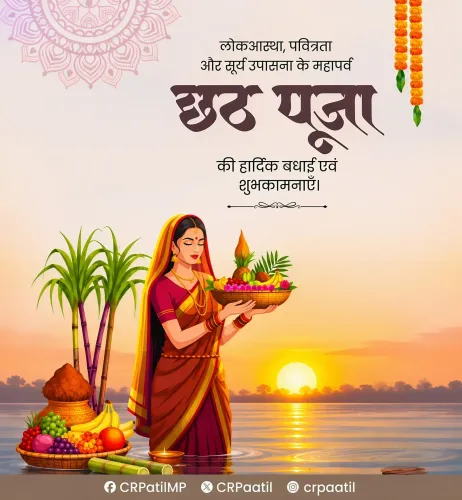
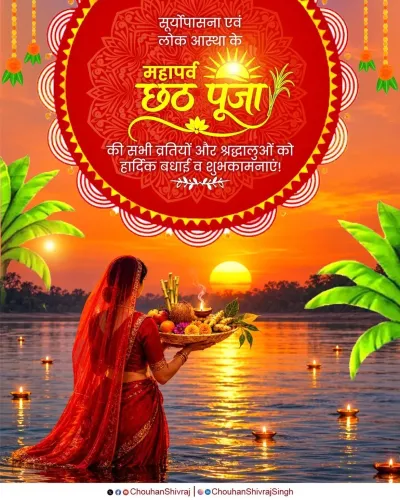
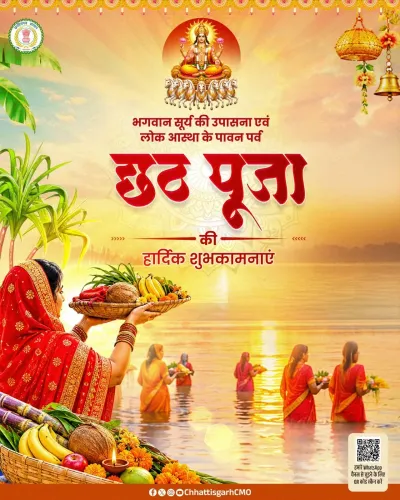
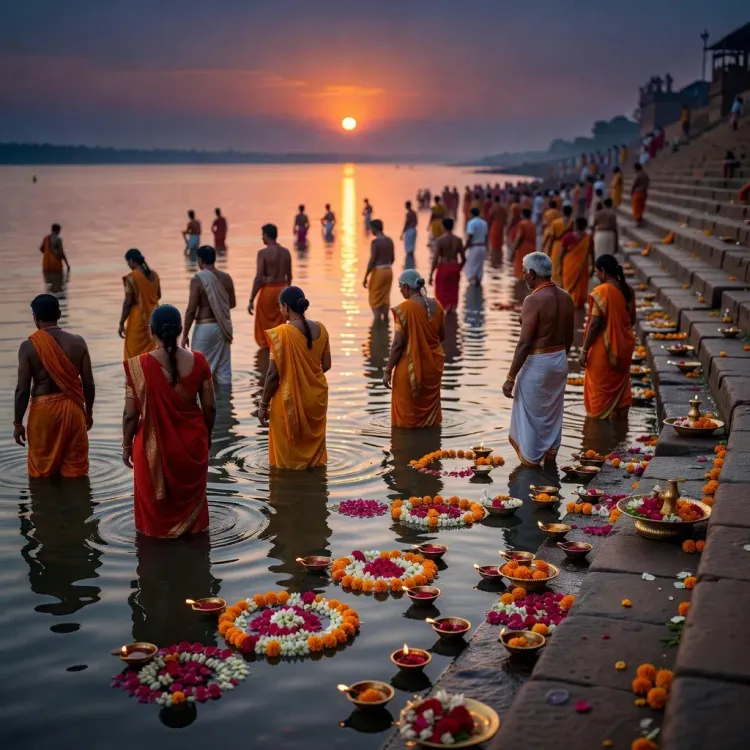
At the banks of Surat's Pardi-Kanade and Sachin ghats on Sunday, 15 November 2026, Union Jal Shakti Minister C. R. Paatil stood among thousands of devotees as the Gujarat Uttar Bharatiya Seva Sangh Chhath Samiti marked one of the most demanding festivals in the Hindu calendar — Chhath Puja, a four-day vow of fasting, sun worship, and gratitude to nature.
Paatil shared his experience on X, writing that he was 'fortunate to attend and meet all the vratis (fasting devotees) and worshippers.' He called Chhath 'a great festival of faith, discipline, and gratitude towards nature,' adding that 'the dedication of the vratis is exemplary.' He closed with a prayer that Bhagwan Suryanarayan and Chhathi Maiya bless every home with 'happiness, health, and prosperity.'
Surat's North Indian community and the Chhath Samiti
Surat is Gujarat's industrial powerhouse — and also one of India's most striking examples of internal migration reshaping a city's culture. Tens of thousands of workers from Uttar Pradesh, Bihar, and Jharkhand have settled here over decades, drawn by the textile and diamond-polishing industries. The Gujarat Uttar Bharatiya Seva Sangh Chhath Samiti is the community organisation that channels this migrant presence into annual public celebration, coordinating the elaborate rituals at the city's water bodies each year.
Paatil noted that 'the contribution of North Indian society to Surat's cultural unity has always been commendable' — a pointed acknowledgment that the city's social and economic fabric is inseparable from its migrant workforce.
BJP's pattern of outreach at migrant festivals
The minister's attendance fits a well-established pattern: senior BJP leaders in Gujarat have made a point of participating in festivals that are native to northern and eastern India but celebrated with full vigour by migrant communities across the state. Chhath Puja, with its public, riverside rituals and mass participation, is particularly visible — and politically resonant across community lines.
Paatil himself, as a former Gujarat BJP state president and a minister with a mass-contact style, has built his profile partly on this kind of ground-level presence. Turning up at a ghat in Surat on a November evening, meeting fasting devotees face to face, is exactly the register he works in.
Chhath reaches its emotional peak with the Usha Arghya — the dawn offering to the rising sun — a moment that draws enormous crowds and carries deep spiritual weight for communities far from their home states. That a Union minister chose to be present underlines how central these migrant constituencies have become to the political and social conversation in Gujarat's cities.
Point of View
Paatil reinforces an in-person, mass-contact political style that has defined his brand. The broader arc here is one of deliberate cultural integration politics: BJP frames its attendance at eastern and northern festivals in Gujarat not merely as outreach but as evidence that the state's identity is enriched, not threatened, by migrant presence — a message with obvious utility ahead of any electoral cycle.
NationPress
15 Nov 2026
Frequently Asked Questions
What is Chhath Puja and why is it significant?
Chhath Puja is a four-day Hindu festival dedicated to Suryadev (the Sun God) and Chhathi Maiya, observed primarily by communities from Bihar, Uttar Pradesh, and Jharkhand. Devotees undertake rigorous fasting and offer prayers at water bodies at sunrise and sunset. It is one of the most demanding and widely observed folk festivals in India.
Who organised the Chhath Puja event in Surat that C. R. Paatil attended?
The event was organised by the Gujarat Uttar Bharatiya Seva Sangh Chhath Samiti, a community organisation of North Indian residents in Surat, at the Pardi-Kanade and Sachin areas of the city.
Why does Surat have a large North Indian migrant community?
Surat is a major industrial hub known for its textile and diamond-polishing industries, which have attracted large numbers of workers from Uttar Pradesh, Bihar, and Jharkhand over several decades. This migrant workforce forms a significant part of the city's economic and social fabric.
What did C. R. Paatil say about the North Indian community in Surat?
Paatil stated that 'the contribution of North Indian society to Surat's cultural unity has always been commendable,' acknowledging the community's long-standing role in shaping the city's social character.
What is C. R. Paatil's current political role?
C. R. Paatil serves as the Union Minister of Jal Shakti in the Government of India and is a senior BJP leader. He is a former president of the BJP's Gujarat state unit.