Gadkari addresses Mahabodhi Temple World Heritage Expo in Nagpur
Synopsis
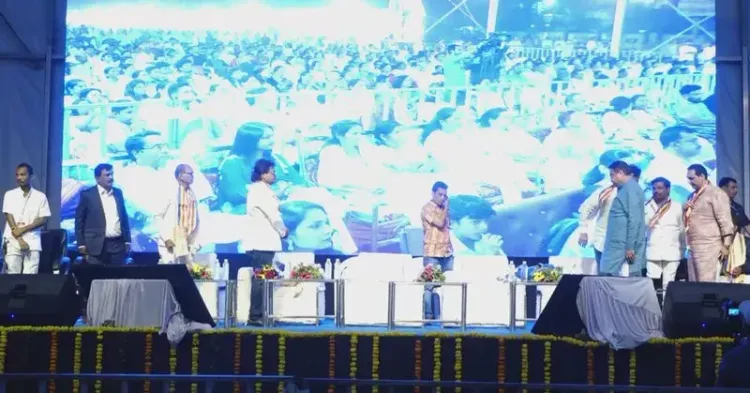
Union Minister Nitin Gadkari addressed the Mahabodhi Temple World Heritage Exposition – 2026 in Nagpur on 25 October, organised by the Nagpur Buddhist Consortium, spotlighting India's Buddhist heritage as both cultural identity and diplomatic bridge.
Key Takeaways
Nitin Gadkari addressed the Mahabodhi Temple World Heritage Exposition – 2026 in Nagpur on 25 October 2026 .
The event was organised by the Nagpur Buddhist Consortium , reflecting the city's large and historically significant Buddhist community.
The Mahabodhi Temple in Bodh Gaya, Bihar is a UNESCO World Heritage Site marking the site of the Buddha's enlightenment.
Nagpur is the site of Dr B.R.
Ambedkar's historic 1956 mass conversion to Buddhism, giving it deep symbolic importance for India's Buddhist community.
India's Swadesh Darshan Buddhist Circuit , launched in 2014–15 , forms the policy backbone for promoting such heritage events nationally.
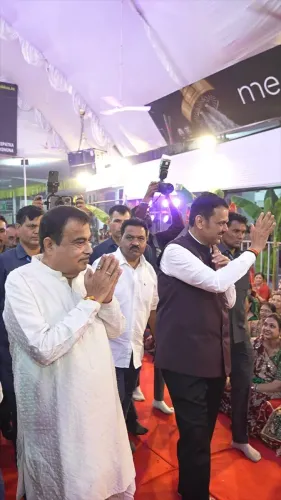
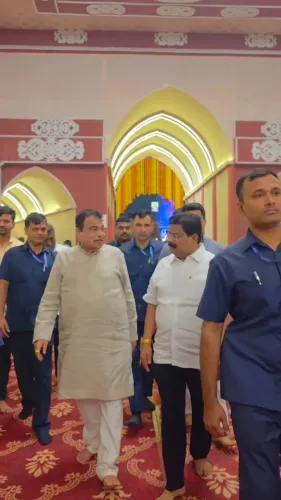
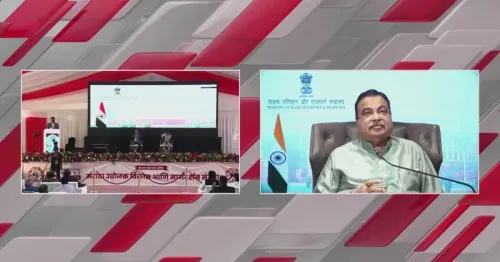
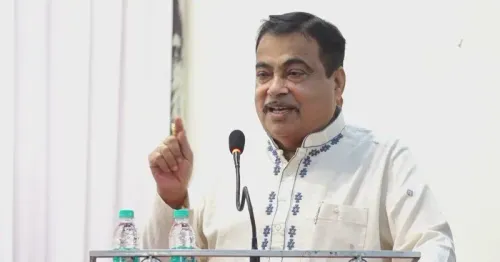
In a city that carries the weight of one of India's most transformative moments in Buddhist history, Union Road Transport and Highways Minister Nitin Gadkari took the stage on Sunday, 25 October 2026, addressing the Mahabodhi Temple World Heritage Exposition – 2026 organised by the Nagpur Buddhist Consortium in Nagpur, Maharashtra.
Nagpur's deep Buddhist roots and why this city was chosen
Nagpur is not a random venue for a Buddhist heritage exposition. On 14 October 1956, Dr B.R. Ambedkar led a mass conversion of hundreds of thousands of Dalits to Buddhism at Nagpur's Deekshabhoomi, making the city a living symbol of Buddhist resurgence in modern India. Today it is home to one of the country's largest Buddhist communities, giving any event centred on Buddhist heritage an immediate, deeply personal constituency well beyond the traditional pilgrimage belt of Bihar and Uttar Pradesh.
The exposition shines a spotlight on the Mahabodhi Temple in Bodh Gaya, Bihar — the UNESCO World Heritage Site marking the very spot where Siddhartha Gautama attained enlightenment under the Bodhi tree. It is among the most sacred sites in the Buddhist world, drawing pilgrims and scholars from across Asia and beyond.
Buddhist heritage as strategic soft power
Gadkari's presence at the exposition reflects a broader pattern in Indian public life: senior ministers lending political visibility to Buddhist heritage events as India deepens cultural ties with nations across East and Southeast Asia. From Sri Lanka to Japan, from Thailand to South Korea, Buddhism is a living bridge — and India, as the land of the Buddha's birth and enlightenment, holds a unique position in that conversation.
India's Swadesh Darshan scheme, launched in 2014–15, included a dedicated Buddhist Circuit connecting major sites across states, designed precisely to channel this spiritual geography into tangible tourism infrastructure. Events like the Mahabodhi Temple World Heritage Exposition extend that logic — building awareness, broadening participation, and keeping the conversation alive in cities like Nagpur that are emotionally invested in the tradition.
What specific announcements or international delegations accompanied Sunday's exposition remains to be detailed — but Gadkari's address signals the continued political and cultural weight India assigns to its Buddhist heritage on both the domestic and diplomatic stage. For a minister whose base is Nagpur, speaking here is also speaking home.
Point of View
Cultural diplomacy with Asia-Pacific nations, and a validation of tourism infrastructure policy under the Swadesh Darshan framework. For the BJP, engaging visibly with Buddhist heritage in Nagpur — a city of immense Ambedkarite symbolism — carries a specific electoral and social subtext around Dalit outreach that goes well beyond ceremonial presence. The exposition model, taking a Bihar-anchored World Heritage Site and amplifying it from Maharashtra, also signals a deliberate effort to nationalise the Buddhist heritage narrative rather than confine it to the Bodh Gaya–Sarnath corridor.
NationPress
25 Oct 2026
Frequently Asked Questions
What is the Mahabodhi Temple World Heritage Exposition 2026?
The Mahabodhi Temple World Heritage Exposition – 2026 is an event organised by the Nagpur Buddhist Consortium in Nagpur, Maharashtra, to promote awareness of the Mahabodhi Temple in Bodh Gaya — a UNESCO World Heritage Site — and India's broader Buddhist heritage.
Why was the Mahabodhi Temple exposition held in Nagpur?
Nagpur holds deep Buddhist significance as the site of Dr B.R. Ambedkar's 1956 mass conversion to Buddhism, making it home to one of India's largest Buddhist communities and a natural hub for heritage outreach beyond the Bihar–UP pilgrimage corridor.
What is the Mahabodhi Temple and why is it important?
The Mahabodhi Temple in Bodh Gaya, Bihar, is a UNESCO World Heritage Site marking the spot where Siddhartha Gautama attained enlightenment. It is one of the holiest sites in Buddhism and draws pilgrims from across Asia.
What is India's Buddhist Circuit under Swadesh Darshan?
The Buddhist Circuit is a dedicated tourism development track under the Ministry of Tourism's Swadesh Darshan scheme, launched in 2014–15, connecting major Buddhist heritage sites across states including Bihar, Uttar Pradesh, and Madhya Pradesh to boost pilgrimage and heritage tourism.
Who is Nitin Gadkari and what is his connection to Nagpur?
Nitin Gadkari is India's Union Minister of Road Transport and Highways and a senior BJP leader. He represents Nagpur constituency in the Lok Sabha and is a former national president of the BJP, making Nagpur his political home base.