Gadkari at 85th Indian Roads Congress: India's highways going global
Synopsis
Union Minister Nitin Gadkari addressed the 85th Indian Roads Congress on November 20, 2026, highlighting India's highway expansion from 91,000 km to over 146,000 km since 2014, the Bharatmala Pariyojana, PM Gati Shakti, and the Viksit Bharat 2047 vision.
Key Takeaways
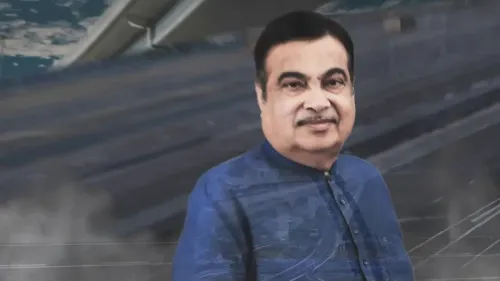
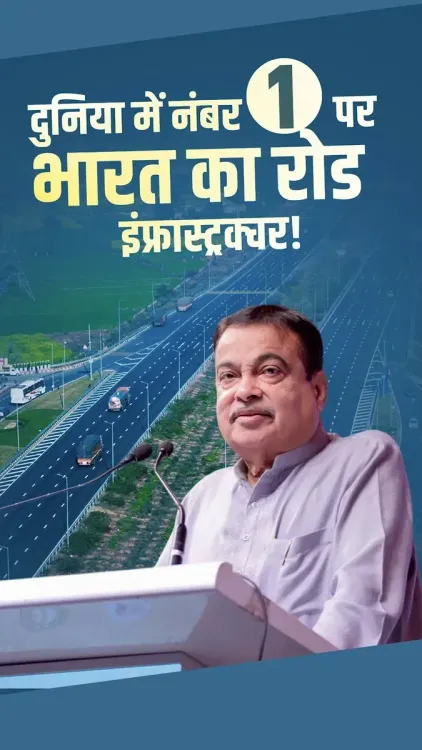
Union Minister Nitin Gadkari spoke at the 85th Indian Roads Congress session on November 20, 2026 , calling India's road infrastructure a rising global benchmark.
India's national highway network expanded from roughly 91,000 km in 2014 to over 146,000 km by 2023 , with annual construction rates exceeding 10,000 km per year .
The Bharatmala Pariyojana (2015) targets 34,800 km of national highways and economic corridors to link manufacturing hubs, ports, and border crossings.
The PM Gati Shakti National Master Plan (2021) integrates road projects with rail, waterways, and air logistics for a unified multi-modal network.
Gadkari's address was framed within the Viksit Bharat vision of a developed India by 2047 , positioning roads as the economy's core circulatory system.
Key watch points include upcoming Union Budget highway allocations and project announcements at the 86th Indian Roads Congress session.
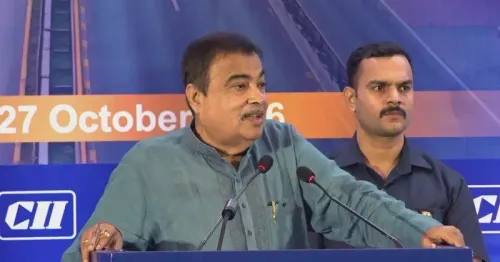
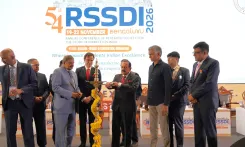
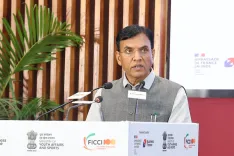
India's road network is no longer just a domestic story — it is fast becoming a global benchmark, and Union Road Transport and Highways Minister Nitin Gadkari made that case emphatically at the 85th Indian Roads Congress session on Friday, November 20, 2026. Gadkari shared his vision of India's road-infrastructure progress, achievements, and future possibilities with the country's premier assembly of highway engineers and policymakers.
Posting on X, Gadkari wrote: 'भारत का सड़क इंफ्रास्ट्रक्चर वैश्विक स्तर पर नई पहचान बना रहा है' — 'India's road infrastructure is building a new identity on the global stage.' He added that through a better road network and modern infrastructure, the country is moving towards new heights of development.
From 91,000 km to 146,000 km — the highway surge Gadkari outlined
The numbers behind that claim are hard to argue with. India's national highway network has grown from roughly 91,000 km in 2014 — the year Gadkari first took charge of the ministry — to over 146,000 km by 2023, a near-60 percent expansion in under a decade. Annual construction rates have consistently crossed the 10,000 km per year mark, a pace few countries have matched at this scale.
That growth did not happen in a policy vacuum. The Bharatmala Pariyojana, launched in 2015, set out to develop 34,800 km of national highways and economic corridors, stitching together manufacturing hubs, ports, and border crossings into a coherent national grid. Then came the PM Gati Shakti National Master Plan in 2021, which layered road projects on top of a multi-modal logistics map — railways, waterways, and airways all talking to each other for the first time.
The Indian Roads Congress: 92 years of highway engineering, one stage for the minister's address
The Indian Roads Congress (IRC), founded in 1934, is the country's oldest and most authoritative body for highway engineers and road-policy specialists. Its annual sessions are where technical standards get debated, new engineering guidelines are adopted, and the government signals its infrastructure priorities to the industry. Gadkari's address to the 85th session therefore carries weight beyond a ministerial speech — it sets the tone for procurement, contracting, and design norms that will shape projects for years.
The minister framed his remarks within the Viksit Bharat vision — the Modi administration's overarching goal of a developed India by 2047. Roads, in that framing, are not just concrete and asphalt; they are the circulatory system of an economy targeting higher manufacturing output, lower logistics costs, and deeper trade corridor integration with South and Southeast Asia.
Why logistics costs are the real prize
India has historically spent a disproportionately high share of GDP on moving goods — estimates have consistently placed the figure well above the global average for comparable economies. Every kilometre of four-lane highway that replaces a congested two-lane stretch chips away at that cost. Highway developers, the logistics sector, and export-oriented manufacturers are all watching the ministry's pipeline closely, because faster, safer roads translate directly into thinner supply-chain margins and fatter competitive advantages.
The next inflection point to watch: Union Budget allocations for highways in the coming fiscal year, and whether the 86th Indian Roads Congress session brings fresh project announcements that signal the next phase of the Bharatmala buildout. If Friday's address is any guide, the ministry is not in a consolidation mood. It is still in construction mode.
Point of View
The minister is signalling that highway expansion is not merely a Modi-era achievement but a generational commitment. The Bharatmala-Gati Shakti combination also represents a structural shift — from standalone road projects to logistics ecosystems — that will increasingly determine India's manufacturing competitiveness in global supply chains. With the next Union Budget approaching, Gadkari's public framing sets the political groundwork for continued high capital expenditure in the sector.
NationPress
20 Nov 2026
Frequently Asked Questions
What is the Indian Roads Congress and why does it matter?
The Indian Roads Congress (IRC), founded in 1934, is India's premier technical body for highway engineers and road-policy specialists. Its annual sessions set engineering standards, adopt design guidelines, and signal government infrastructure priorities, making them important for contractors, policymakers, and the logistics industry.
How much has India's national highway network grown under Nitin Gadkari?
India's national highway length grew from roughly 91,000 km in 2014, when Gadkari first became Road Transport Minister, to over 146,000 km by 2023 — a near-60 percent expansion — with annual construction rates consistently exceeding 10,000 km.
What is Bharatmala Pariyojana?
Bharatmala Pariyojana, launched in 2015, is a central government programme to develop 34,800 km of national highways and economic corridors connecting manufacturing hubs, ports, and border crossings across India.
What is PM Gati Shakti and how does it relate to road development?
PM Gati Shakti National Master Plan, announced in 2021, integrates road projects with railways, waterways, and airways on a unified logistics map, aiming to reduce logistics costs and improve supply-chain efficiency across the country.
What is Viksit Bharat and what role do roads play in it?
Viksit Bharat is the Modi administration's vision for a fully developed India by 2047. Roads are central to this goal because a modern highway network lowers logistics costs, boosts manufacturing competitiveness, and deepens trade corridor links with South and Southeast Asia.