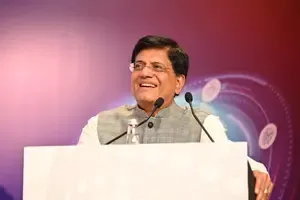
Gadkari at New Delhi EV Awards, Swiggy Instamart Battery Swap Launch
Synopsis
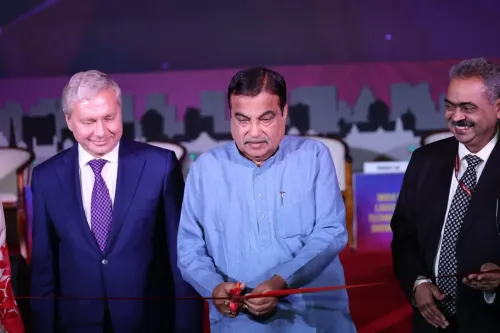
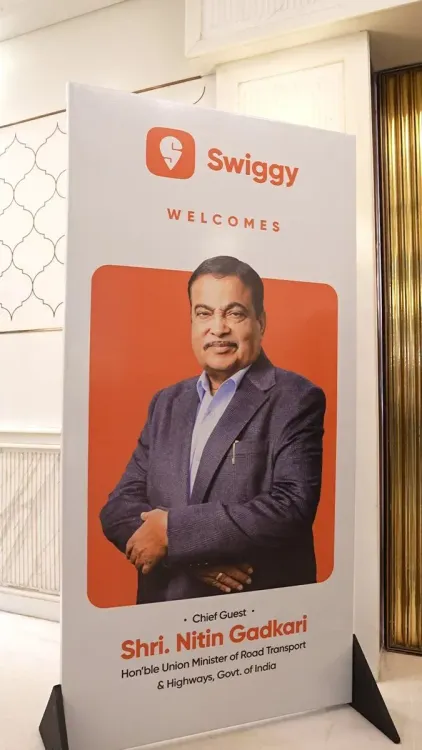
Union Minister Nitin Gadkari attended the New Delhi EV Ecosystem Awards on 4 November 2026 and witnessed Swiggy Instamart launch its EV Battery Swapping Network, marking a major private-sector step in India's urban electric-mobility push.
Key Takeaways
Nitin Gadkari attended the New Delhi EV Ecosystem Awards on 4 November 2026 .
Swiggy Instamart launched its own EV Battery Swapping Network at the event, targeting its last-mile delivery fleet.
Battery swapping allows riders to exchange depleted batteries in minutes, eliminating long charging downtime for commercial fleets.
The Ministry of Road Transport and Highways has identified battery swapping as a priority for urban two- and three-wheeler commercial vehicles.
The FAME scheme , launched in 2015 , laid the policy foundation for India's electric-vehicle ecosystem that private players like Swiggy are now building on.
Interoperability and standardisation of battery packs across EV makers remains the key unresolved challenge for scaling swap networks nationally.
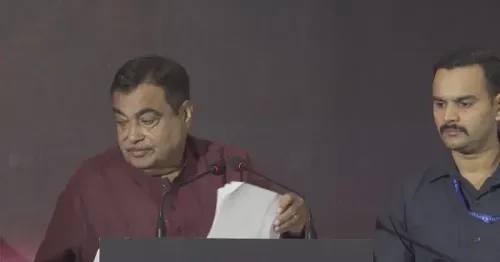
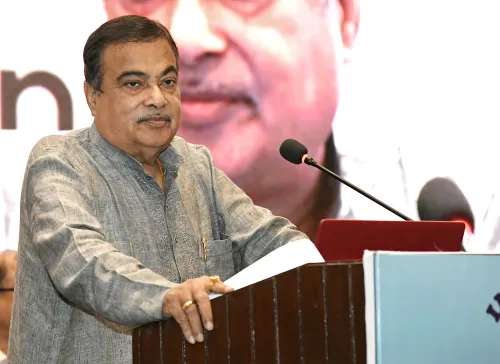
Battery swapping just moved from policy whiteboard to delivery doorstep. Union Road Transport and Highways Minister Nitin Gadkari attended the New Delhi EV Ecosystem Awards on Wednesday, 4 November 2026, where quick-commerce giant Swiggy formally launched its Instamart EV Battery Swapping Network — a moment that signals the urban last-mile delivery economy is making a decisive turn toward electric.
What Swiggy Instamart's battery swap move means for delivery fleets
The battery swapping model solves the single biggest friction point for two- and three-wheeler EV adoption in commercial logistics: downtime. Instead of waiting hours for a charge, a rider swaps a depleted battery for a fully charged one in minutes and gets back on the road. For a fleet running dozens of deliveries a day, that arithmetic changes everything. Swiggy Instamart, the company's rapid grocery and essentials arm, is now staking a piece of its operational infrastructure on that bet.
The launch puts Swiggy among the first major quick-commerce platforms to build its own swapping network rather than rely on third-party charging points — a move that could set a template for competitors and push standardisation conversations at the policy level.
Gadkari's EV push and the FAME policy backbone
Gadkari's presence at the event is consistent with a years-long drive by the Ministry of Road Transport and Highways to shift urban commercial fleets to electric. The ministry has repeatedly flagged battery swapping as a priority for delivery two-wheelers and auto-rickshaws, where daily range demands and thin margins make full-charge EV ownership complicated.
The policy foundation goes back to 2015, when the Faster Adoption and Manufacturing of Electric Vehicles (FAME) scheme was launched to seed demand and manufacturing. What has evolved since is an ecosystem expectation: that industry, not just government subsidy, must carry the expansion forward. Swiggy's network launch is precisely that kind of private-sector commitment the ministry has been nudging the logistics sector toward.
Why the EV Ecosystem Awards matter to the broader industry
Recognition events like the New Delhi EV Ecosystem Awards serve a signal function — spotlighting companies already building infrastructure, creating peer pressure and investor visibility for laggards. With a cabinet minister on stage, that signal travels further. The quick-commerce sector, which runs on razor-thin delivery windows and high two-wheeler density, has outsized potential to accelerate urban EV penetration through the sheer volume of its fleet cycles.
The next pressure point will be interoperability: whether battery packs across different EV makers can slot into the same swap station. That standardisation question is one the ministry and industry will have to resolve together — and today's launch adds urgency to that conversation.
Point of View
Witnessed by Gadkari, represents a meaningful shift in how India's last-mile logistics sector is engaging with electric mobility — moving from regulatory compliance to competitive infrastructure investment. For the Ministry of Road Transport and Highways, it validates a years-long policy signal that commercial fleets, not passenger cars, are the fastest route to mass EV adoption in Indian cities. The event also quietly raises the stakes on battery standardisation: once a major platform builds proprietary swap infrastructure, the pressure on regulators to enforce interoperability norms intensifies. How the ministry responds on standardisation in the coming months will determine whether Swiggy's move catalyses an industry-wide shift or creates a fragmented patchwork of incompatible networks.
NationPress
4 Nov 2026
Frequently Asked Questions
What is Swiggy Instamart's EV Battery Swapping Network?
It is a battery swap infrastructure launched by Swiggy's quick-commerce arm that allows delivery riders to exchange depleted EV batteries for fully charged ones in minutes, reducing downtime compared to conventional charging.
Why did Nitin Gadkari attend the New Delhi EV Ecosystem Awards?
As Union Minister of Road Transport and Highways, Gadkari has been a leading voice for electric vehicle adoption in India, particularly for commercial two- and three-wheelers, making the event directly relevant to his ministry's agenda.
What is the FAME scheme and how does it relate to this launch?
The Faster Adoption and Manufacturing of Electric Vehicles (FAME) scheme, launched in 2015, provides the policy and subsidy backbone for India's EV ecosystem; Swiggy Instamart's private battery swap network builds on the demand and infrastructure the scheme helped seed.
How does battery swapping benefit delivery fleets?
Battery swapping eliminates long charging wait times — riders swap a dead battery for a charged one in minutes — which is critical for commercial delivery fleets that need vehicles on the road continuously throughout the day.
What is the next challenge for scaling battery swap networks in India?
Battery standardisation and interoperability — ensuring that swap stations can accept battery packs from multiple EV manufacturers — is the key unresolved issue that regulators and industry will need to address for national scale-up.