Gadkari Hails Modi's Mann Ki Baat on Security, Swachhta
Synopsis
Union Minister Nitin Gadkari amplified PM Modi's 138th Mann Ki Baat address, which marked 10 years of the 2016 surgical strikes, called for Swachh Bharat momentum, water conservation participation, and saluted India's youth athletes and grassroots innovators.
Key Takeaways
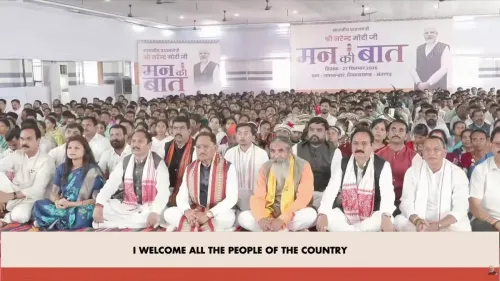
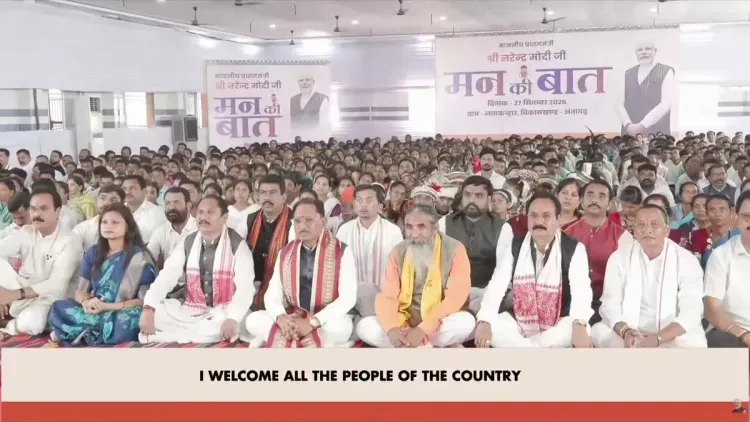
Union Minister Nitin Gadkari shared key themes from PM Modi's 138th Mann Ki Baat episode on September 27, 2026 .
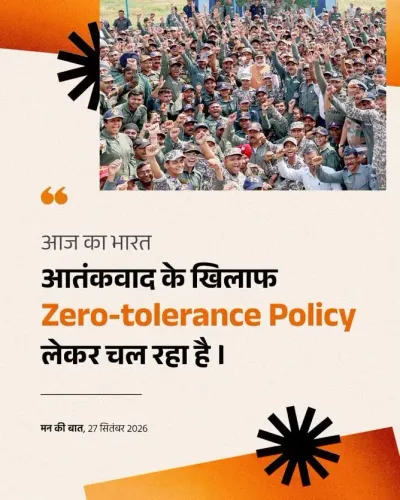
PM Modi marked the 10th anniversary of the 2016 surgical strikes and reiterated India's 'zero tolerance' policy on terrorism.
The episode called for sustained citizen participation in the Swachh Bharat Abhiyan and water conservation drives.
PM Modi expressed pride in young Indian athletes winning on global platforms and saluted grassroots innovators.
Gadkari framed the address as a blueprint for a 'strong, secure, and self-reliant India' under the Viksit Bharat vision.
A decade after the surgical strikes reshaped India's counter-terror doctrine, Union Road Transport and Highways Minister Nitin Gadkari on Sunday, September 27, 2026, amplified the key themes of the 138th episode of Mann Ki Baat — Prime Minister Narendra Modi's monthly radio address to the nation — calling the ideas 'deeply inspiring' and a roadmap for a stronger, self-reliant India.
Gadkari, in his post on X, outlined the four pillars PM Modi stressed in the episode: internal security and zero tolerance on terrorism, collective civic responsibility, water conservation through mass participation, and pride in Indian youth making the nation proud on the global stage.
Ten Years of the Surgical Strike — and the Message It Still Carries
The anchor of this episode was the 10th anniversary of the 2016 surgical strikes — a cross-LoC operation executed in September 2016 by the Indian Army in the aftermath of the Uri attack, which killed 18 Indian soldiers. PM Modi used the milestone to salute the armed forces' valour and to reiterate India's 'zero tolerance policy' (jero tolerence neeti) against terrorism — a doctrine that has been a consistent thread in the government's national-security messaging since 2014. Gadkari described the moment as one of national pride, writing that the Prime Minister 'paid homage to the bravery of the Indian Army on the completion of 10 years of the historic surgical strike.'Swachh Bharat and Water Conservation — The Civic Call
Beyond security, the episode carried a familiar civic call. PM Modi urged continued momentum behind the Swachh Bharat Abhiyan, the flagship sanitation campaign launched on 2 October 2014, and called for collective public participation (saamuhik jan-bhaagidaari) in water conservation — framing both as obligations of active citizenship, not just government programmes. This pairing of sanitation and water stewardship in Mann Ki Baat is a recurring motif; both themes have appeared consistently in the monthly addresses since the programme's launch in October 2014.Young Athletes, Grassroots Innovators — A Salute from the Top
The episode also turned celebratory. PM Modi expressed pride in young Indian athletes flying the tricolour on global platforms and extended a salute to innovators and citizens driving positive change at the grassroots level — a nod to the government's broader push around youth empowerment and the Viksit Bharat vision. Gadkari closed his post with conviction: 'I am fully confident that by internalising the Prime Minister's inspiring thoughts, a strong, secure, and self-reliant India is being built — and our India will keep moving forward in the same way.' The hashtags #MannKiBaat, #NationalSecurity, #SwachhBharat, and #ViksitBharat anchored the message squarely within the government's communication framework. As India marks a decade since the surgical strikes, the message from the top is consistent: vigilance abroad, cleanliness at home, and youth at the centre of the nation's ambitions.Point of View
Especially potent a decade on from the operation that shifted India's cross-border doctrine. Gadkari's enthusiastic framing of youth empowerment and Viksit Bharat links the episode directly to the government's long-term 2047 development narrative, reinforcing that the BJP's senior cadre see these monthly addresses as much more than radio programming — they are a political mobilisation tool.
NationPress
27 Sept 2026
Frequently Asked Questions
What is Mann Ki Baat and who hosts it?
Mann Ki Baat is a monthly radio address by Prime Minister Narendra Modi, launched in October 2014, where he speaks directly to citizens on themes of national importance including security, civic duty, and development.
What did PM Modi say about the surgical strikes in Mann Ki Baat?
PM Modi used the 138th episode of Mann Ki Baat to mark the 10th anniversary of the September 2016 surgical strikes across the Line of Control, saluting the Indian Army's bravery and reiterating India's zero-tolerance policy on terrorism.
Why did Nitin Gadkari post about Mann Ki Baat?
Gadkari shared the key highlights of the episode on X as part of the broader practice of cabinet ministers amplifying the Prime Minister's monthly address across social media platforms.
What is the Swachh Bharat Abhiyan?
Swachh Bharat Abhiyan is a nationwide sanitation and cleanliness campaign launched on 2 October 2014, aimed at achieving open-defecation-free India and improving public hygiene through citizen participation.
What is the Viksit Bharat vision mentioned in the post?
Viksit Bharat, meaning 'Developed India', is the government's long-term goal of making India a fully developed nation by 2047, the centenary of independence, encompassing security, economic growth, and youth empowerment.