Gadkari holds Jansampark in Nagpur, hears citizen grievances
Synopsis
Union Minister Nitin Gadkari convened a Jansampark session at his Nagpur constituency office on 25 October 2026, personally hearing citizen grievances from multiple sectors and issuing directives to local officials for resolution.
Key Takeaways
The session was held on Sunday, 25 October 2026 at the Jansampark Karyalay in Mahal, Nagpur .
Citizens from various sectors of Nagpur attended and presented their problems directly to Gadkari.
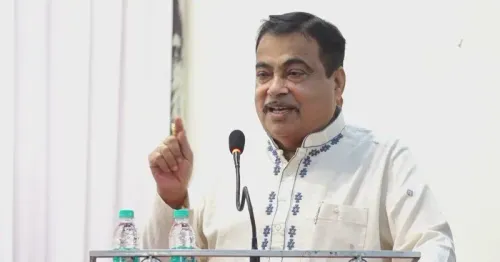
Gadkari described the process as listening, understanding, and directing officials for grievance resolution.
The Jansampark format is a regular feature of Gadkari's constituency outreach in Nagpur.
Instructions were issued on the spot to relevant officers — a direct minister-to-administration pipeline.
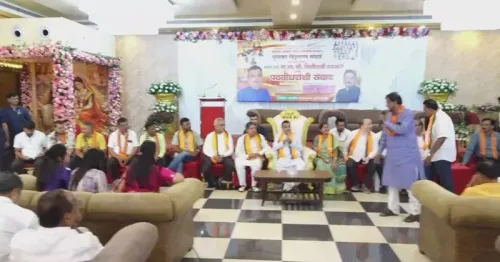
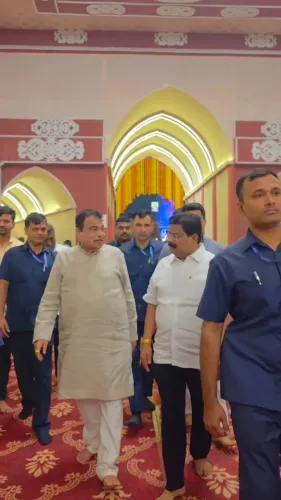
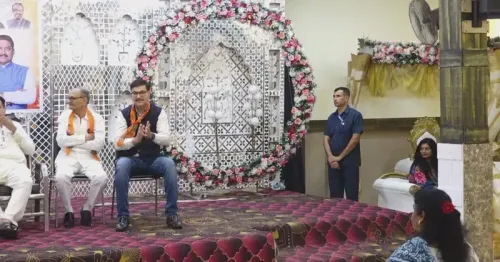
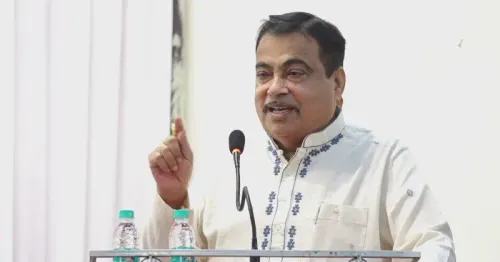
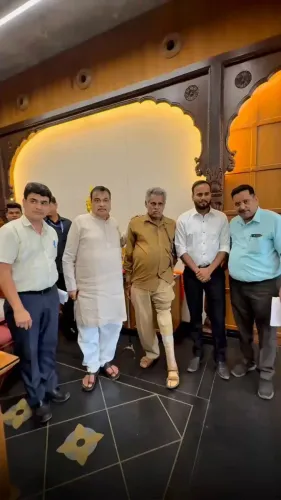
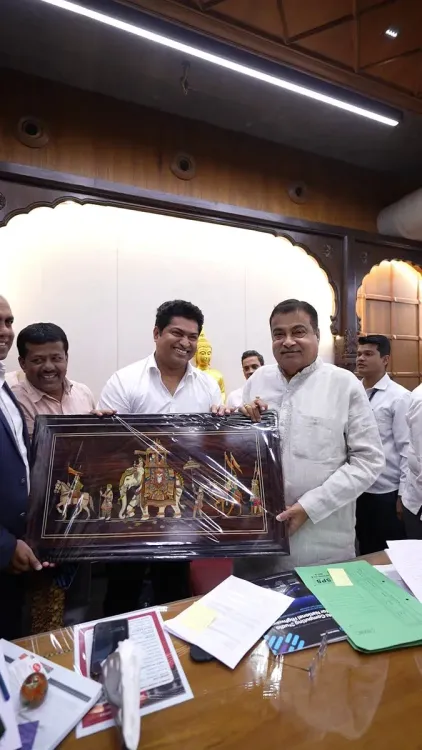
On a Sunday morning in Nagpur's Mahal neighbourhood, Union Road Transport and Highways Minister Nitin Gadkari opened his constituency office doors for a Jansampark (public contact) session — listening directly to residents from across the city and issuing on-the-spot instructions to officials for redressal.
The session, held at the Jansampark Karyalay, Mahal, Nagpur on Sunday, 25 October 2026, saw citizens arrive from 'various sectors' — Gadkari's words — bringing a range of local concerns. The minister described the exercise as listening, understanding, and then directing the relevant authorities toward resolution.
What Jansampark means on the ground in Nagpur
The Jansampark format — literally 'public contact' — is a structured constituency-outreach model where elected representatives hold open-door sessions at a designated office, offering direct access without bureaucratic filters. For Gadkari, who has represented Nagpur in the Lok Sabha across multiple terms, such sessions are a long-standing feature of his local political calendar.
Nagpur, Maharashtra's second capital and the geographical heart of the country, is also the headquarters of the RSS — making the city one of India's most politically watched constituencies. Gadkari's grip on the seat is built as much on this grassroots accessibility as on his national infrastructure profile.
Minister-to-official pipeline: the accountability chain
What distinguishes a Gadkari Jansampark from a routine meet-and-greet is the stated directive: grievances are not just logged but channelled in real time to concerned officers. This blurs the line between political outreach and administrative action — a model several senior ministers and chief ministers across India have adopted to maintain constituency responsiveness even while holding national portfolios.
For a minister whose work takes him to highway inaugurations and cabinet meetings in New Delhi, keeping a weekly or periodic rhythm of public contact in Nagpur is also a signal to the electorate: the constituency is never an afterthought.
Whether the instructions issued on 25 October translate into measurable resolution for the citizens who showed up will be the real test — and that follow-through, always, is what voters watch.
Point of View
Or remain symbolic gestures, defines the real value of the format.
NationPress
25 Oct 2026
Frequently Asked Questions
What is a Jansampark session held by Nitin Gadkari?
A Jansampark session is a structured public-contact programme where Gadkari opens his Nagpur constituency office to citizens who can directly present grievances, after which he issues directives to relevant government officials for resolution.
Where is Gadkari's Jansampark office in Nagpur?
Gadkari's Jansampark Karyalay is located in the Mahal area of Nagpur, a historic commercial and residential neighbourhood in the heart of the city.
How often does Gadkari hold Jansampark in Nagpur?
Gadkari conducts Jansampark-style public-contact sessions periodically as part of his Nagpur constituency outreach. The exact frequency varies, but such sessions are a long-standing feature of his political calendar.
What kinds of problems do citizens bring to Gadkari's Jansampark?
Citizens from various sectors of Nagpur attend with a range of local concerns. Specific grievances from the 25 October 2026 session were not detailed publicly, but the format typically covers civic, administrative, and development issues.
Who is Nitin Gadkari and which constituency does he represent?
Nitin Gadkari is the Union Minister of Road Transport and Highways and a senior BJP leader. He is a multi-term Lok Sabha MP representing the Nagpur constituency in Maharashtra.