Gadkari joins 'Save Democracy' padyatra live from Nagpur
Synopsis
Union Minister Nitin Gadkari live-streamed from a 'Save Democracy, Remove Anarchy' padyatra in Nagpur on November 5, 2026, amplifying the BJP-linked foot march across social media with twin hashtags in Hindi and English.
Key Takeaways
Union Minister Nitin Gadkari live-streamed from a padyatra in Nagpur on November 5, 2026 .
The march is themed around the slogan 'लोकतंत्र बचाओ–अराजकता हटाओ' — 'Save Democracy, Remove Anarchy'.
Gadkari used hashtags #SaveDemocracyRemoveAnarchy and #लोकतंत्र_बचाओ_अराजकता_हटाओ to amplify the event digitally.
Nagpur is Gadkari's home constituency and the winter capital of Maharashtra , giving the march added political salience.
The live-broadcast format signals a deliberate merger of street mobilisation and social media reach by BJP leadership.
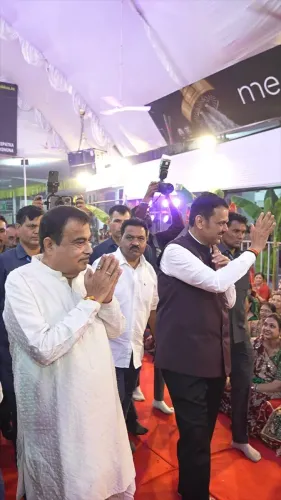
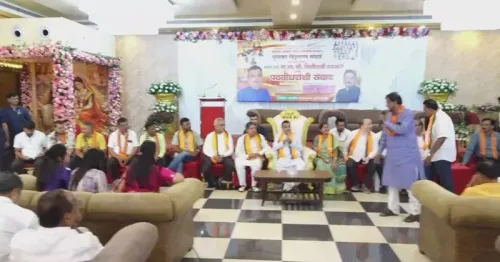
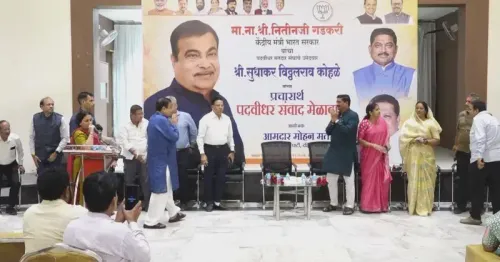
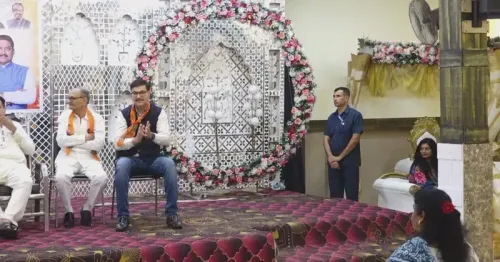
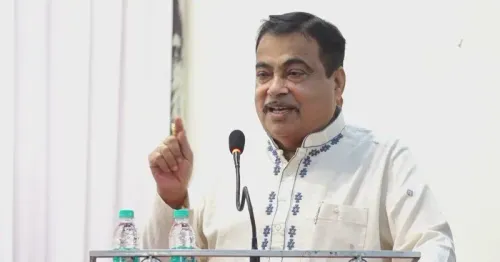
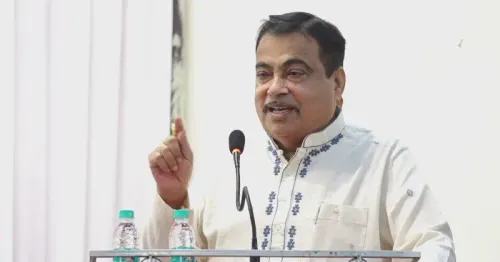
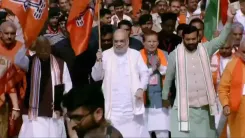
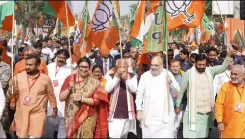
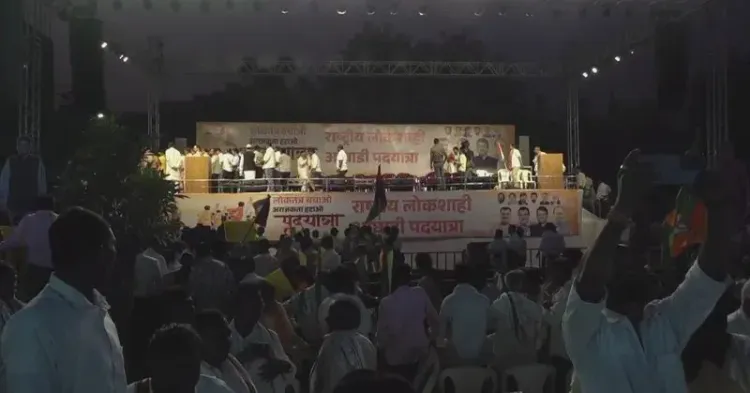
The streets of Nagpur turned into a live broadcast on Thursday, November 5, 2026, as Union Road Transport and Highways Minister Nitin Gadkari streamed directly from the 'लोकतंत्र बचाओ–अराजकता हटाओ' ('Save Democracy, Remove Anarchy') foot march, putting one of Maharashtra's most politically charged cities at the centre of a charged public mobilisation.
Gadkari takes the padyatra to social media in real time
Gadkari shared the live broadcast with the hashtags #SaveDemocracyRemoveAnarchy and #लोकतंत्र_बचाओ_अराजकता_हटाओ, framing the march explicitly around two themes: the defence of democratic institutions and the rejection of what organisers have labelled 'anarchy.' The foot march format — a padyatra — is a time-tested instrument of Indian political communication, designed to combine ground-level presence with broad visual reach.
Nagpur is Gadkari's political home turf and the winter capital of Maharashtra. His decision to broadcast live from the march rather than issue a prepared statement signals a deliberate effort to draw supporters into the moment as it unfolds, amplifying the event's reach well beyond the marchers on the ground.
Why 'Save Democracy' marches resonate in Maharashtra's political landscape
Indian political parties across the spectrum have long used padyatras to dramatise governance themes — from anti-corruption campaigns to farmer welfare movements. A slogan anchored in democracy and anarchy speaks directly to anxieties about institutional stability, a message that travels quickly on social media when paired with a live feed. For BJP's senior leadership, such events also serve as visible signals of party activity between electoral cycles, keeping the base engaged and the message circulating.
Gadkari, a former national president of the BJP and a figure who commands significant cross-party respect for his infrastructure record, lending his presence to this march adds political weight to what might otherwise be a local mobilisation.
Point of View
Remove Anarchy' framing is a classic oppositional counter-narrative, suggesting the BJP is positioning itself as a stabilising force against perceived disorder, a register that resonates with anxious middle-ground voters. For Gadkari specifically, participating visibly in such a march reinforces his continued political relevance in Maharashtra even as his national identity remains tied to infrastructure delivery. The padyatra format itself signals that the party sees ground presence, not just digital output, as essential to its communication architecture ahead of any forthcoming political contest.
NationPress
5 Nov 2026
Frequently Asked Questions
What is the 'Save Democracy Remove Anarchy' padyatra in Nagpur?
It is a foot march — padyatra — organised in Nagpur under the slogan 'लोकतंत्र बचाओ–अराजकता हटाओ' ('Save Democracy, Remove Anarchy'), from which Nitin Gadkari broadcast live on November 5, 2026 .
Why did Nitin Gadkari live-stream from a padyatra?
Gadkari used a live social media broadcast to extend the march's reach beyond street-level participants, letting supporters across the country follow the event in real time.
What does 'लोकतंत्र बचाओ–अराजकता हटाओ' mean?
The Hindi phrase translates to 'Save Democracy, Remove Anarchy' — a political slogan framing the march as a defence of democratic institutions against disorder.
What is Nitin Gadkari's political significance in Nagpur?
Nitin Gadkari is a senior BJP leader, former national president of the party, and Union Minister of Road Transport and Highways. Nagpur is his home constituency and political base in Maharashtra .
What is a padyatra in Indian politics?
A padyatra is a foot march used by Indian political parties and leaders to engage voters directly on the ground, combining physical presence with a public message — a practice deployed across party lines.