Gadkari Pays Tribute to Bharat Ratna M. S. Swaminathan
Synopsis
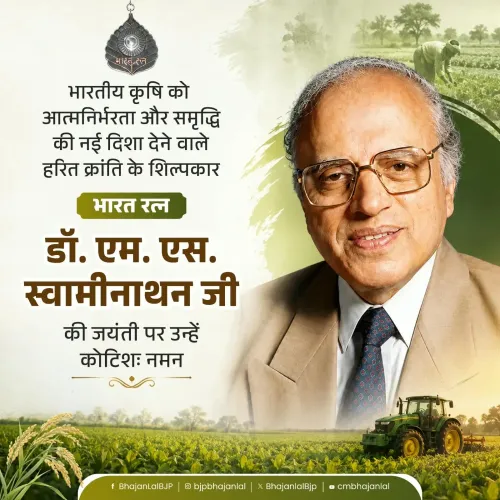
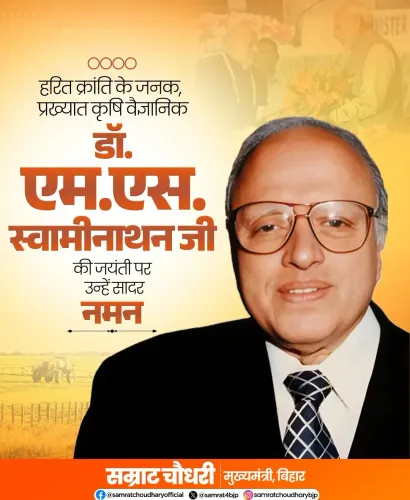
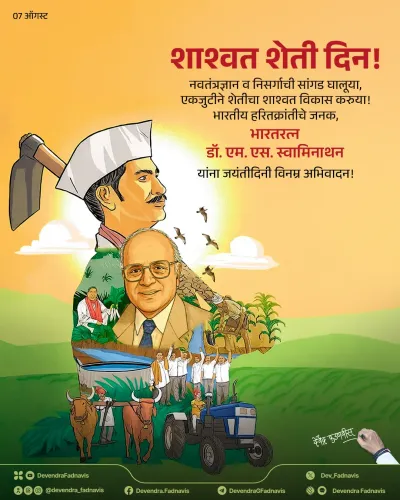
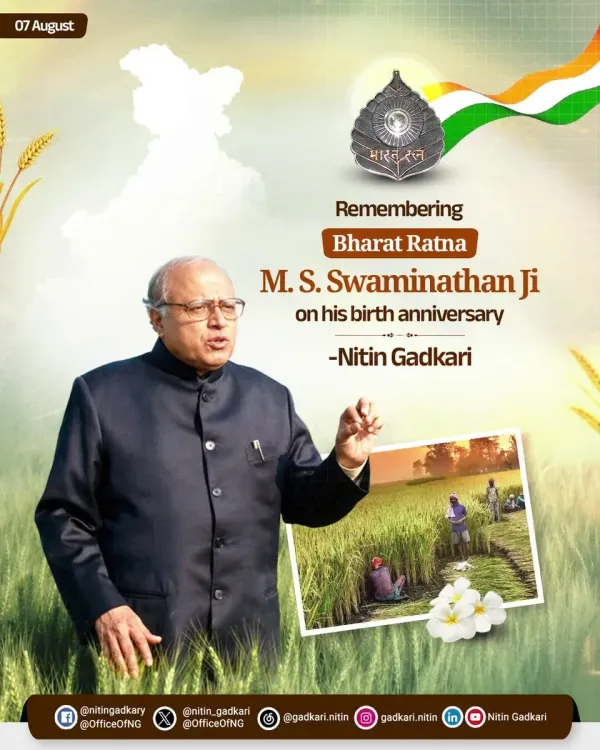
Union Minister Nitin Gadkari honoured Bharat Ratna M. S. Swaminathan on his birth anniversary, paying tribute to the agronomist credited with driving India's Green Revolution and transforming the country's food security in the 1960s and 70s.
Key Takeaways
Union Minister Nitin Gadkari posted a tribute to M.
Swaminathan on his birth anniversary, August 7 .
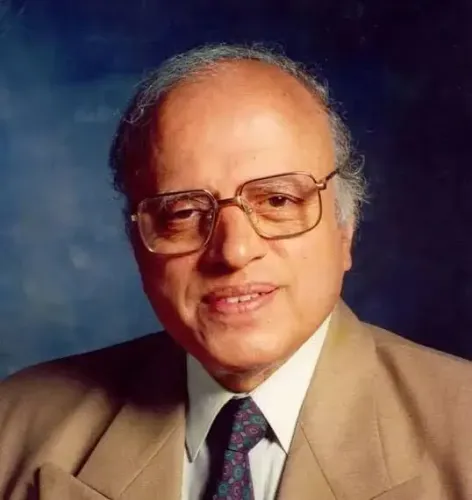
Swaminathan holds the title 'Father of the Green Revolution in India' and was awarded the Bharat Ratna , India's highest civilian honour.
He was an agronomist and geneticist who championed high-yielding wheat and rice varieties in the mid-1960s .
India's foodgrain output rose sharply by the 1970s , ending chronic food deficits that had made the country dependent on imported grain.
Swaminathan later became a voice for sustainable agriculture and the welfare of small and marginal farmers.
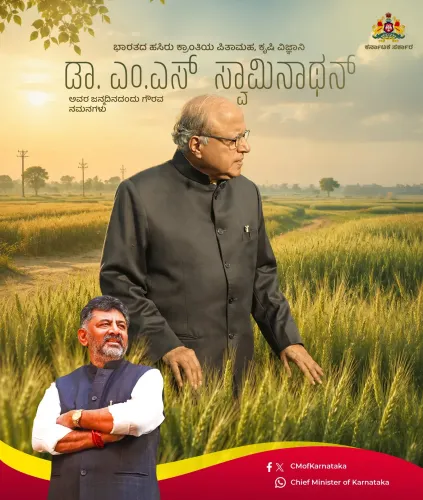
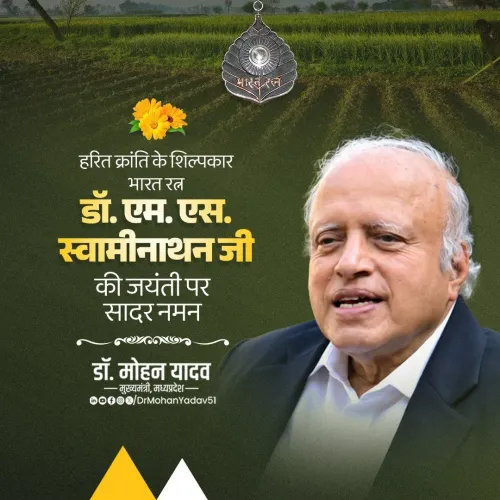
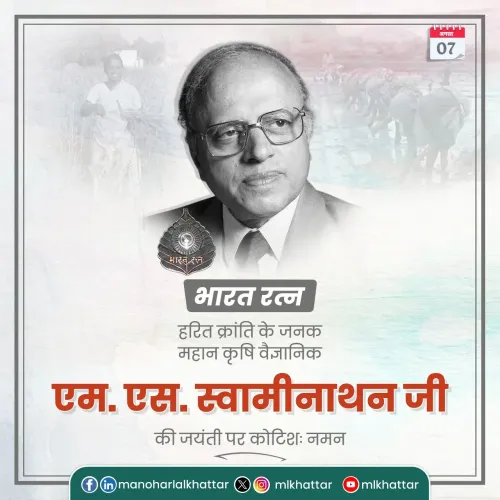
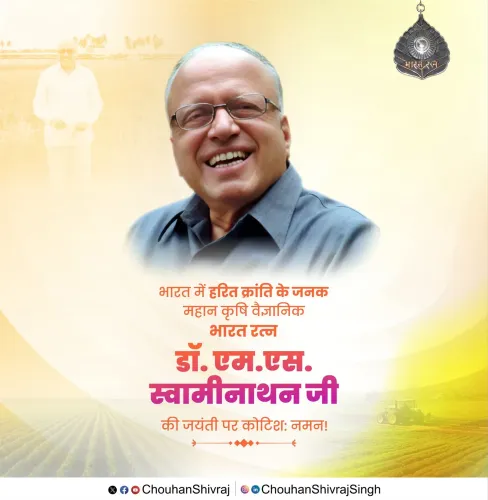
The man who helped India feed itself in its darkest hours of hunger is remembered today. Union Road Transport and Highways Minister Nitin Gadkari paid tribute to Bharat Ratna M. S. Swaminathan — widely honoured as the 'Father of the Green Revolution in India' — on his birth anniversary on Friday, August 7.
Gadkari's tribute, shared on X with the words 'Tribute to Bharat Ratna M. S. Swaminathan Ji', joins a chorus of commemorations that Indian leaders across parties offer each year for the agronomist and geneticist whose work reshaped the nation's relationship with food.
The scientist who changed India's harvest
Mankombu Sambasivan Swaminathan was not merely a scientist — he was an architect of national survival. In the mid-1960s, India faced chronic food shortages and was dependent on imported grain. Working alongside international partners and Indian agricultural institutions, Swaminathan championed the introduction of high-yielding varieties of wheat and rice, laying the scientific and logistical groundwork for what became known as the Green Revolution. By the 1970s, India's foodgrain output had surged sharply, transforming the country from a food-deficit nation into one capable of feeding its own people. The achievement stands as one of the most consequential policy-science partnerships in post-independence history. For that legacy, the Indian government awarded him the Bharat Ratna — the nation's highest civilian honour — a recognition that placed him among the most celebrated figures in modern Indian history.Why Indian farmers still carry his imprint
Swaminathan's influence did not end with the Green Revolution. He went on to champion sustainable agriculture, the rights of small and marginal farmers, and the need to balance productivity with ecological responsibility — debates that remain live in Indian farm policy today. The Indian farmer's story, in many ways, cannot be told without his name in it. For India's political leadership, annual tributes to scientists like Swaminathan serve a dual purpose: honouring a genuine national giant and reaffirming the state's commitment to agricultural productivity as a cornerstone of public welfare. Gadkari's post, brief as it is, lands within that tradition — a moment of national memory on a morning in August.Point of View
Invoking scientists and Bharat Ratna awardees fits a broader political narrative of honouring national achievers regardless of ideological affiliation. Gadkari's tribute, coming from a minister whose portfolio sits in infrastructure rather than agriculture, signals how Swaminathan's legacy has transcended sectoral boundaries to become a matter of national identity. As farm productivity and rural welfare remain politically sensitive, such commemorations quietly reinforce the state's rhetorical commitment to the agrarian community.
NationPress
22 Sept 2026
Frequently Asked Questions
Who is M. S. Swaminathan and why is he called the Father of the Green Revolution?
M. S. Swaminathan was an Indian agronomist and geneticist who played a central role in introducing high-yielding varieties of wheat and rice in India during the mid-1960s, driving a dramatic rise in foodgrain production that ended the country's dependence on imported grain — a transformation known as the Green Revolution.
What is the Bharat Ratna awarded to M. S. Swaminathan for?
The Bharat Ratna, India's highest civilian honour, was awarded to M. S. Swaminathan in recognition of his extraordinary contribution to Indian agriculture and food security through his leadership of the Green Revolution.
When is M. S. Swaminathan's birth anniversary?
M. S. Swaminathan's birth anniversary falls on August 7 , which is marked each year with tributes from Indian political leaders, scientists, and farming communities.
What did the Green Revolution achieve for India?
The Green Revolution, driven in large part by Swaminathan's scientific work, transformed India from a food-deficit country reliant on imports into a nation capable of producing sufficient foodgrain domestically, with output rising sharply by the 1970s.
Why did Nitin Gadkari pay tribute to M. S. Swaminathan?
Gadkari posted a tribute on X on Swaminathan's birth anniversary, honouring the Bharat Ratna awardee as the 'Father of the Green Revolution in India' — part of a broader tradition of Indian leaders commemorating prominent scientists and national awardees on their birth anniversaries.