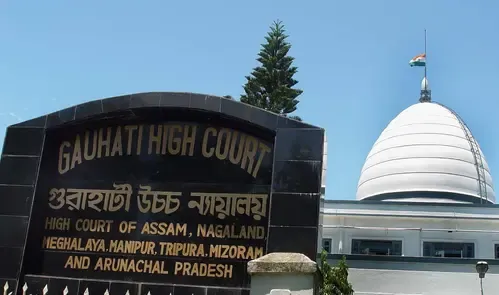
Gauhati HC takes suo motu action on Assam prison crisis: HIV, overcrowding, 27 deaths
Synopsis
The Gauhati High Court has stepped in where the Assam government had not — 226 HIV-positive inmates, a jail housing 272 more prisoners than it was built for, 27 deaths in five years, and a remission board sitting on applications for up to three years. The suo motu action, led by Chief Justice Ashutosh Kumar, may be the sharpest judicial rebuke of India's prison administration in the Northeast in recent years.
Key Takeaways
The Gauhati High Court initiated suo motu proceedings on 16 September 2026 over systemic failures in Assam's prisons .
226 inmates across 31 jails tested HIV-positive between April and July 2026 ; officials attribute 95% of cases to injecting-drug use.
Guwahati Central Jail held 1,672 inmates against a sanctioned capacity of 1,400 as of a 2 August inspection.
Inspections found up to 45 inmates in single rooms with one toilet at jails in Nalbari, Dhubri, Hailakandi , and Sribhumi .
27 unnatural deaths and suicides were reported in Assam's prisons over the past five years .
Only 1 of 58 life imprisonment remission cases had been approved at the March 2026 board meeting; 32 proposals from 2025 were returned.
The Gauhati High Court has initiated suo motu proceedings over deteriorating conditions inside Assam's prisons, flagging a cluster of systemic failures — HIV infections among inmates, severe overcrowding, inadequate mental healthcare, reported suicides, and years-long delays in processing remission applications. The matter came up on Wednesday, 16 September 2026, and has been listed for the next hearing on 8 October 2026.
What Triggered the Court's Intervention
The proceedings were set in motion following reports of HIV-positive detainees at Guwahati Central Jail. Court records cited overcrowding and healthcare deficiencies across multiple facilities in the state. An inspection by the Assam State Legal Services Authority reportedly found as many as 42 to 45 inmates housed in single rooms with a single toilet at jails in Nalbari, Dhubri, Hailakandi, and Sribhumi.
A Division Bench comprising Chief Justice Ashutosh Kumar and Justice Arun Dev Choudhury has directed the Assam government to file a detailed affidavit outlining remedial measures. Additional Advocates General P.N. Goswami and B. Gogoi, representing the concerned departments, were asked to place the state's response before the bench.
Scale of the HIV Crisis Inside Prisons
According to material placed before the court, 226 inmates across 31 jails tested positive for HIV between April and July 2026. Officials reportedly attributed nearly 95 per cent of these cases to injecting-drug-use-related factors. An inspection on 2 August found 1,672 inmates at Guwahati Central Jail against a sanctioned capacity of 1,400 — a facility that also housed 77 women prisoners, at least one tuberculosis patient, and prisoners receiving psychiatric treatment.
This comes amid a well-documented drug abuse corridor across Assam's border districts, making prisons a pressure point where addiction, communicable disease, and institutional neglect converge.
Deaths, Mental Health Gaps, and Communication Barriers
The court took note of 27 unnatural deaths and suicides reported in Assam's prisons over the past five years, including incidents recorded at jails in Nalbari and Udalguri. Inspection findings pointed to irregular visits by mental health professionals, leaving the psychiatric care framework described as inadequate. The bench also raised concern over communication difficulties faced by prisoners from other states, particularly those lodged at Sivasagar and Dhubri jails.
Remission Backlog: Years of Delay for Life Convicts
The court further flagged a prolonged backlog in remission applications submitted by life convicts, with some files reportedly pending before the Remission Board for two to three years. Court records referencing a State Legal Review Board meeting held on 19 March 2026 showed that 32 remission proposals made in 2025 had been returned without approval, while only one of 58 life imprisonment cases had been cleared.
Notably, delays in remission processing have previously attracted judicial scrutiny in other states as well, underscoring a national pattern of administrative inertia in prison governance.
What Happens Next
The case will be heard next on 8 October 2026, when the Assam government is expected to submit its affidavit with concrete remedial steps. The proceedings will examine measures required to address prison health, safety, overcrowding, and administrative failures across the state. The outcome could set a precedent for judicial oversight of prison conditions across Northeast India.
Point of View
Not incidental — prisons in Assam have been overcrowded, under-staffed on mental health, and negligent on HIV containment for years, yet the state government required judicial compulsion to respond. The HIV caseload — 226 inmates, 95 per cent tied to injecting drug use — reflects a broader crisis in Assam's border districts that the prison system has absorbed without the resources to manage it. The remission backlog is equally telling: when one of 58 life conviction reviews results in approval, and three dozen others are returned without action, the constitutional promise of proportionate sentencing review rings hollow. The next hearing on 8 October will show whether the government's affidavit offers a credible plan or a paper one.
NationPress
16 Sept 2026
Frequently Asked Questions
Why has the Gauhati High Court intervened in Assam's prison conditions?
The Gauhati High Court initiated suo motu proceedings on 16 September 2026 after reports emerged of HIV-positive inmates at Guwahati Central Jail, alongside evidence of severe overcrowding, inadequate mental healthcare, suicides, and a backlog in remission applications. The court found the cumulative situation serious enough to act without waiting for a formal petition.
How many inmates in Assam's jails have tested HIV-positive?
According to material placed before the court, 226 inmates across 31 jails in Assam tested positive for HIV between April and July 2026. Officials reportedly attributed nearly 95 per cent of those cases to injecting-drug-use-related factors.
How overcrowded is Guwahati Central Jail?
An inspection on 2 August found 1,672 inmates housed at Guwahati Central Jail against a sanctioned capacity of 1,400 — 272 more than the facility was designed to hold. The prison also had 77 women prisoners, a tuberculosis patient, and inmates receiving psychiatric treatment.
What did the court find about suicides and unnatural deaths in Assam prisons?
Court records cited 27 unnatural deaths and suicides in Assam's prisons over the past five years, including incidents at Nalbari and Udalguri jails. The court also flagged irregular visits by mental health professionals as a contributing concern.
What is the status of remission applications for life convicts in Assam?
Some remission applications have reportedly remained pending before Assam's Remission Board for two to three years. Records from a State Legal Review Board meeting on 19 March 2026 showed that 32 remission proposals from 2025 had been returned and only one of 58 life imprisonment cases had been approved.