Is there a serious issue with gig workers' nationwide protest?
Synopsis
Gig workers in India have staged a nationwide protest, raising alarms over low pay and lack of security. With Parliament discussions underway, the spotlight shines on their economic struggles. The tension between platform companies and delivery partners is palpable, marking a crucial moment for labor rights in the gig economy.
Key Takeaways
Nationwide strike highlights gig workers' dissatisfaction.
Economic pressures increase for delivery partners.
MP Anand Bhadauriya calls the situation serious .
Protests demand minimum pay and better labor protections.
Platform companies face scrutiny over worker treatment .
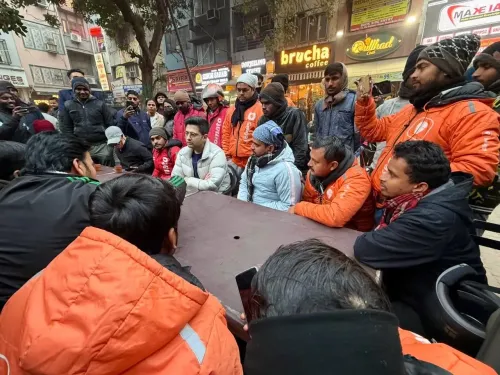
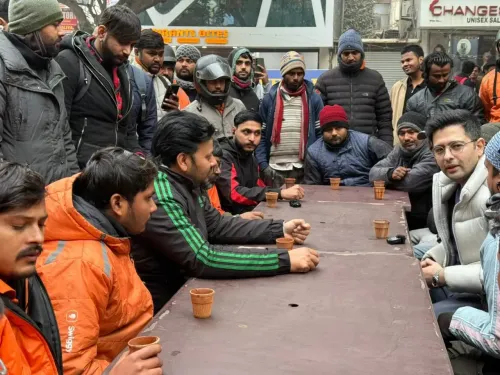
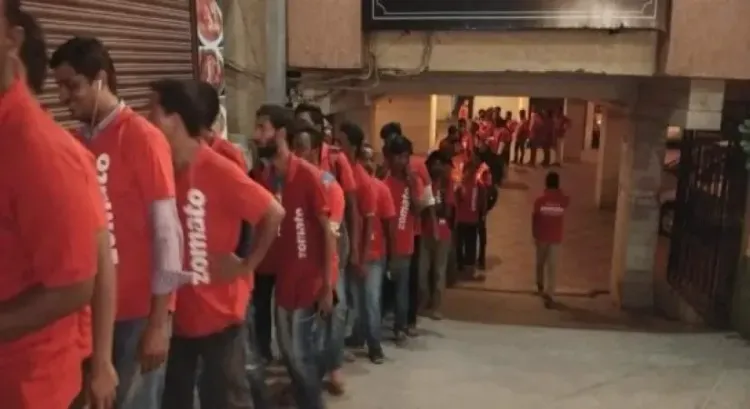
New Delhi, Dec 31 (NationPress) A nationwide protest by gig workers throughout India on Wednesday has shed light on the escalating dissatisfaction among delivery personnel associated with app-driven platforms. Samajwadi Party (SP) MP Anand Bhadauriya has labeled the situation as extremely serious.
The demonstration, initiated by various unions representing gig and platform workers, aimed to spotlight issues such as insufficient earnings, lack of social security, rising fuel and maintenance costs, and the absence of appropriate insurance and safety measures.
In response to the strike, Bhadauriya expressed significant concern, noting that this matter has already been presented in Parliament. “This is a very serious issue. This concern has also been raised in Parliament. Today, many educated and highly skilled young individuals are without jobs, and many of them are working as delivery partners. The challenge is that inflation has increased, family expenses need to be handled, and the same individual is earning so little,” he remarked, highlighting the economic challenges faced by gig workers.
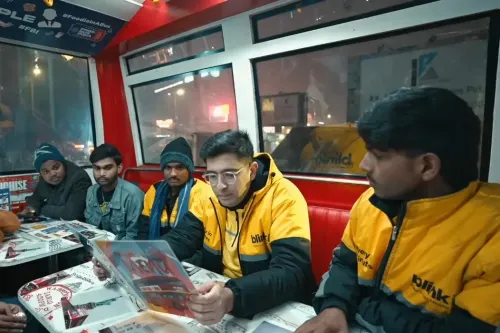
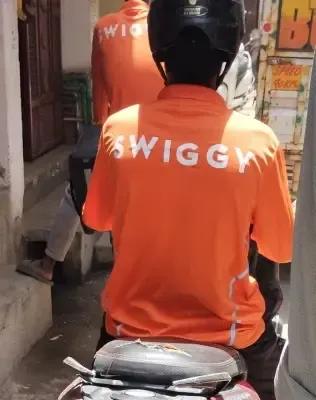
Despite the national call for a halt to app-based services, the real-world impact appeared varied, with numerous delivery partners expressing uncertainty and apprehension.
During the protest, one delivery worker stated, “We are gathered here, but no orders have come in thus far. We are somewhat concerned, as if an accident occurs, we won’t receive any compensation. The company claims that by using SOS, we will get help, but if the phone is lost, how can anyone file a complaint?” These comments emphasized the ambiguity surrounding insurance coverage and emergency support.
Another delivery partner shared similar grievances, particularly regarding decreasing pay rates and a lack of support from the company. “I only work with Swiggy, and there’s no strike here. Recently, there was a strike among Zomato workers. When we inquired, they mentioned the rates weren't being provided… But it’s of no help; the company does not assist us and lowers our rates. The company is incredibly selfish, hiring thousands for the workload of just a hundred, so how can the work be managed…” he expressed.
The protest received backing from several gig worker collectives and unions, which have been advocating for minimum pay guarantees, transparent incentive structures, accident insurance, health coverage, and recognition of gig workers as formal employees under labor laws. Unions have also raised alarms about algorithm-driven penalties, sudden account deactivations, and excessive competition due to over-hiring.
While platform companies assert they provide flexibility and support tools to delivery partners, workers contend that escalating inflation and operational costs have rendered survival increasingly challenging.
This strike, although unevenly observed, has once again highlighted the precarious state of India's gig economy, igniting renewed demands for policy interventions and stronger labor protections.
Point of View
The ongoing protests among gig workers underscore a significant challenge within India's emerging labor landscape. As the gig economy grows, the need for equitable treatment and robust labor protections becomes increasingly urgent. It is imperative that policymakers address these concerns to ensure fair compensation and security for all workers.
NationPress
14 Sept 2026
Frequently Asked Questions
What are the main issues raised by gig workers?
Gig workers are protesting against low earnings, lack of social security, rising fuel costs, insufficient insurance, and safety mechanisms.
Who is supporting the gig workers' protest?
The protest is supported by various gig worker unions and collectives advocating for better pay and working conditions.
What has been the response from political leaders?
Samajwadi Party MP Anand Bhadauriya has expressed serious concern and emphasized that the issue has been raised in Parliament.
How have platform companies responded?
Platform companies claim they provide flexibility and support tools, but workers argue that rising costs make survival difficult.
What are gig workers demanding?
They are demanding minimum pay guarantees, transparent incentive structures, accident insurance, and recognition under labor laws.