Will New Year’s Eve Deliveries Across India Face Disruptions Due to Gig Workers' Strike?
Synopsis
As New Year’s Eve approaches, a nationwide strike by gig workers threatens to disrupt deliveries across India. Major e-commerce platforms may face severe service interruptions. Union leaders emphasize the need for urgent reforms as dissatisfaction among workers grows. Can the industry come together to resolve these issues before the celebrations begin?
Key Takeaways
Nationwide gig worker strike threatens New Year’s Eve deliveries.
Major companies affected include Zomato , Swiggy , and Amazon .
Union leaders highlight issues of declining earnings and safety concerns.
Customers can expect delays and cancellations in major urban areas.
Urgent reforms are needed to support gig workers.
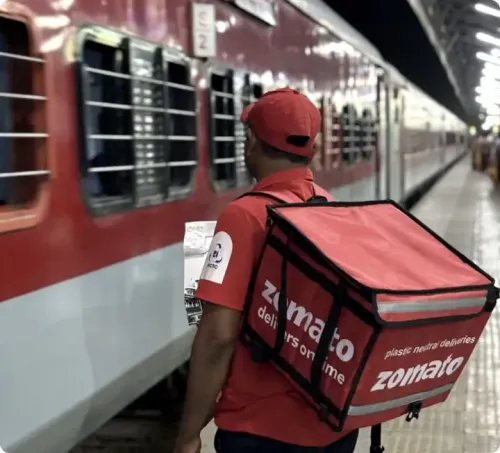
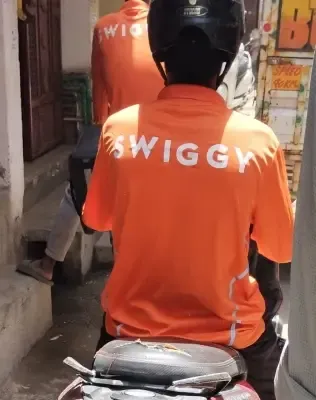
New Delhi, Dec 31 (NationPress) The celebrations for New Year’s Eve in India could face significant disruptions as thousands of gig workers affiliated with prominent delivery and e-commerce platforms gear up for a nationwide strike on Wednesday. Delivery partners associated with companies like Zomato, Swiggy, Blinkit, Zepto, Amazon, and Flipkart have declared intentions to log off from their apps or substantially reduce their work, raising alarms over potential delays, cancellations, and service interruptions on one of the most hectic commercial days of the year.
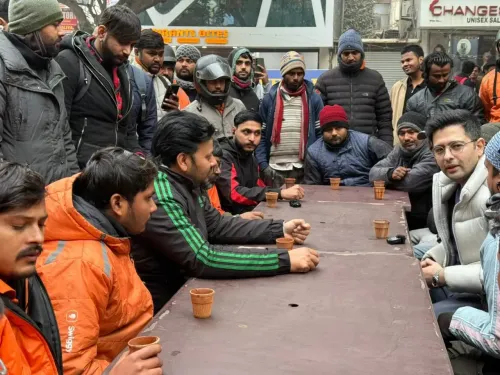
The strike has been organized in collaboration with the Telangana Gig and Platform Workers Union (TGPWU) and the Indian Federation of App-Based Transport Workers (IFAT), gaining backing from various regional collectives across Maharashtra, Karnataka, Delhi-NCR, West Bengal, and parts of Tamil Nadu.
Union representatives indicate that this protest highlights escalating dissatisfaction among gig workers regarding decreasing earnings, increasing workloads, and the lack of fundamental labor protections.
December 31 is typically one of the peak demand days for food delivery, quick commerce, and online shopping, spurred by New Year festivities and year-end sales. Analysts within the industry caution that widespread participation in the strike could drastically hinder last-mile delivery operations, affecting restaurants, grocery platforms, and retailers that heavily depend on app-based logistics to fulfill revenue expectations.
According to union statements, delivery partners are feeling pressured to work longer hours as per-order payouts keep declining. Workers have also voiced concerns over inadequate insurance coverage, unsafe working conditions, arbitrary penalties enforced by algorithms, and a lack of job security. Even though companies label them as “partners” and the foundation of India’s digital commerce framework, gig workers feel they are treated as expendable labor.
Customers in major metropolitan areas like Bengaluru, Pune, Delhi, Hyderabad, and Kolkata are likely to encounter extended wait times, order cancellations, and restricted delivery options throughout the day. Multiple tier-2 cities are also expected to be impacted as regional collectives join the strike.
Unions clarify that the protest is not intended to inconvenience customers but to bring urgent attention to systemic challenges faced by gig workers. They are urging platform companies to engage in constructive dialogue and implement fairer compensation structures, social security benefits, and transparent policies.
Point of View
I recognize the critical role gig workers play in India's economy. Their grievances over wages and working conditions must be addressed urgently to ensure a stable and fair marketplace. The upcoming strike highlights the need for dialogue between workers and platform companies, fostering an environment of trust and cooperation.
NationPress
19 Sept 2026
Frequently Asked Questions
What is the reason for the gig workers' strike?
The strike is prompted by gig workers' frustration over declining earnings, increased workloads, and lack of basic labor protections.
Which companies are affected by the strike?
The strike involves gig workers from major companies including Zomato, Swiggy, Blinkit, Zepto, Amazon, and Flipkart.
How will the strike impact customers?
Customers can expect longer wait times, order cancellations, and limited delivery options in major cities.
Are there any regional groups supporting the strike?
Yes, the strike is supported by regional collectives from states such as Maharashtra, Karnataka, Delhi-NCR, West Bengal, and Tamil Nadu.
What do the unions demand from the platform companies?
Unions are calling for fairer pay, social security benefits, and transparent policies to protect gig workers.