Giriraj Singh Meets Padma Shri Bharti Bandhu in Raipur
Synopsis
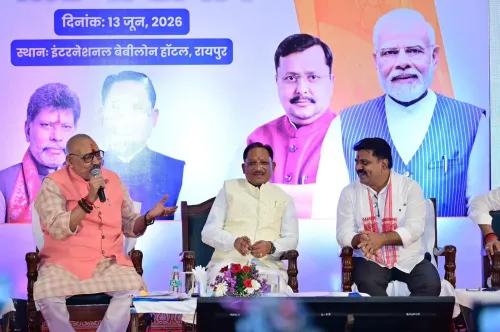
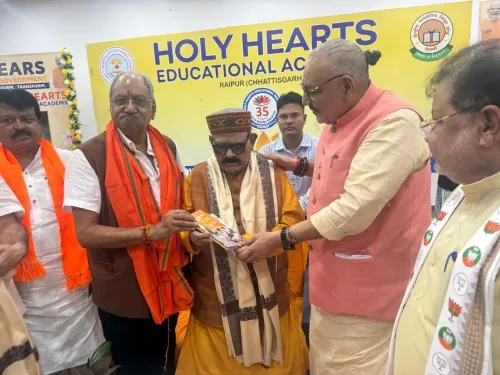
Union Textiles Minister Giriraj Singh visited Padma Shri Bharti Bandhu in Raipur on 13 June 2026 under the Jan Sampark Abhiyan, marking 12 years of the Modi government. Bharti Bandhu rendered Sant Kabir's verses and discussed efforts to preserve Chhattisgarh's folk heritage for younger generations.
Key Takeaways
Union Textiles Minister Giriraj Singh visited Padma Shri Bharti Bandhu at his residence in Raipur on 13 June 2026 .
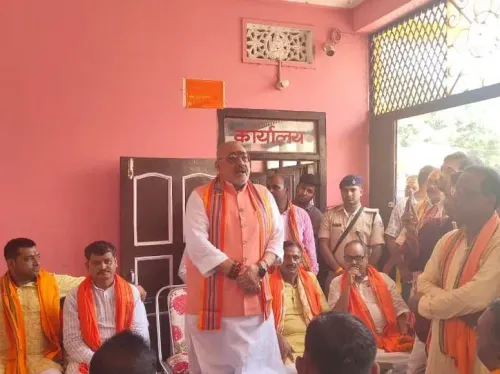
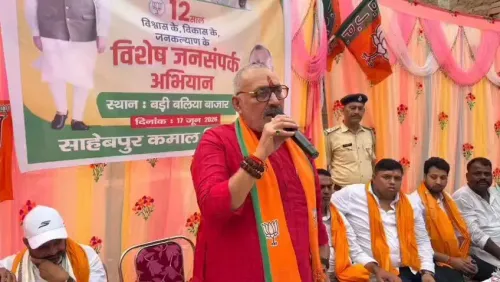
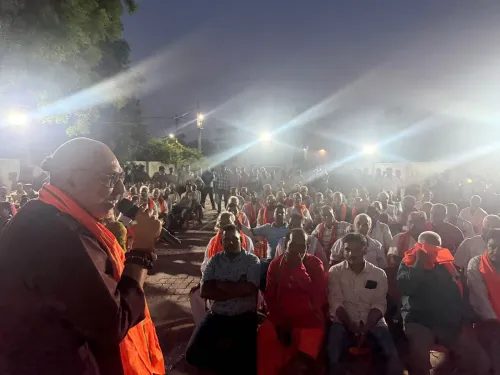
The visit was part of the Jan Sampark Abhiyan , a special outreach campaign marking 12 years of the Modi-led central government.
Discussions covered development, good governance, and public-welfare achievements of the past 12 years.
Bharti Bandhu is a Padma Shri awardee known for promoting Sant Kabir's verses and Chhattisgarh's regional folk traditions nationally and internationally.
Bharti Bandhu rendered Kabir's verses and spoke about his efforts to connect the younger generation with this tradition.
The visit reflects a broader pattern of central ministers engaging cultural figures to link governance narratives with intangible heritage during the outreach drive.
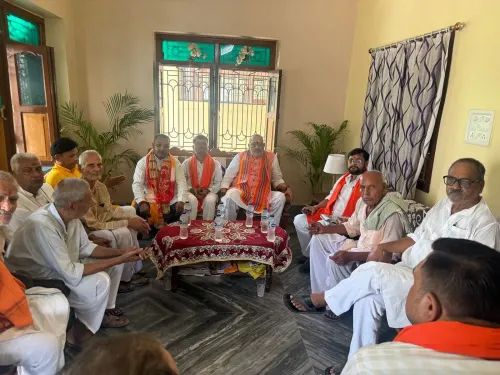
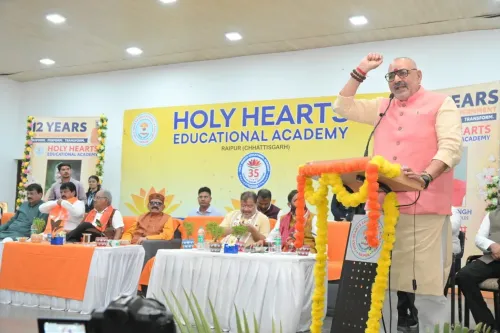
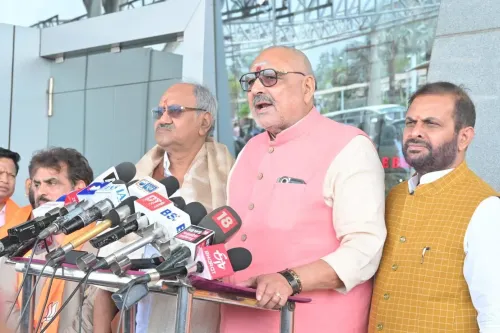
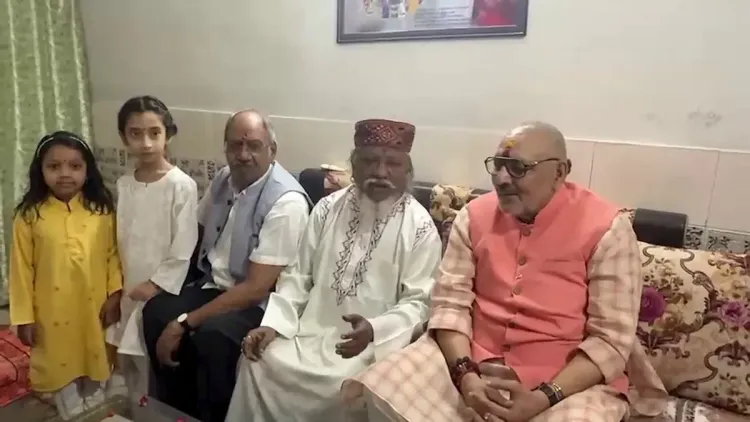
Union Textiles Minister Giriraj Singh visited the residence of Padma Shri Bharti Bandhu in Raipur, Chhattisgarh, on Saturday, 13 June 2026, as part of a special public-outreach drive marking 12 years of the Narendra Modi-led central government. The visit was conducted under the ongoing Jan Sampark Abhiyan, launched to highlight the government's development and welfare milestones. Singh met Bharti Bandhu and members of his family in what was described as a warm personal interaction.
Context
Singh shared details of the visit on social media, noting that discussions centred on 'vikas, sushasan evam jankalyankari karya' (development, good governance, and public-welfare work) accomplished over the past 12 years under Prime Minister Modi. The meeting also became an occasion to engage with Chhattisgarh's living folk and spiritual traditions. Bharti Bandhu rendered verses of Sant Kabir and spoke about his efforts to connect younger generations with this centuries-old tradition.
Policy Backdrop
The Jan Sampark Abhiyan is part of a broader pattern of central ministers fanning out across states to mark the government's 12th year in office, engaging citizens, community leaders, and cultural figures alike. Central ministries have periodically organised such outreach programmes since May 2014, when the Modi government first came to power. Linking governance narratives with intangible cultural heritage — including Kabir bhajans — has been a recurring element of this approach, particularly in states such as Chhattisgarh with distinct folk identities.
Sant Kabir, the 15th-century Bhakti saint and poet, occupies a central place in India's syncretic spiritual and musical heritage. His dohas and pads have been performed and transmitted across generations through folk practitioners, and Chhattisgarh has a particularly strong tradition of Kabir-centric performances rooted in its tribal and rural communities.
Stakeholders and Impact
Bharti Bandhu is recognised for carrying the legacy of Sant Kabir's verses to audiences within India and abroad, and for his sustained efforts to promote Chhattisgarh's regional folk and cultural heritage. His Padma Shri honour reflects official recognition of this contribution. For folk artists and cultural practitioners in the region, high-profile ministerial visits of this kind can draw national attention to their work and potentially inform future cultural policy or budgetary support.
The visit signals the government's intent to position traditional knowledge systems and intangible heritage alongside its development discourse. Cultural figures from Raipur and surrounding districts stand to benefit from increased visibility as the Jan Sampark Abhiyan continues.
What's Next
The Jan Sampark Abhiyan is expected to continue with additional stops across Chhattisgarh and neighbouring states as part of the broader 12-year milestone campaign. Observers will watch whether themes of folk culture and intangible heritage — as highlighted in this visit — find reflection in the next Union Budget's cultural allocations or in state-level heritage festivals. The government's sustained engagement with Padma awardees and regional artists may also shape future outreach strategies ahead of electoral cycles in central Indian states.
Point of View
With its strong tribal and folk identity, is a politically significant state where cultural credibility can complement electoral messaging. The choice to spotlight a Padma Shri folk artist — rather than a purely administrative event — signals an effort to broaden the appeal of the Jan Sampark Abhiyan beyond development statistics. This pattern of ministerial engagement with intangible heritage figures is likely to intensify as the campaign moves through central and eastern Indian states.
NationPress
22 Sept 2026
Frequently Asked Questions
What is the Jan Sampark Abhiyan?
The Jan Sampark Abhiyan is a special public-outreach campaign by the central government, in which ministers visit citizens, community leaders, and cultural figures across states to highlight 12 years of development, good governance, and welfare work under Prime Minister Narendra Modi.
Who is Bharti Bandhu?
Bharti Bandhu is a Padma Shri awardee from Chhattisgarh recognised for rendering Sant Kabir's verses and promoting the state's regional folk and cultural heritage both within India and abroad.
Why did Giriraj Singh visit Raipur?
Union Textiles Minister Giriraj Singh visited Raipur as part of the ongoing Jan Sampark Abhiyan to meet Padma Shri Bharti Bandhu and discuss the Modi government's 12-year milestones in development and public welfare.
What did Bharti Bandhu do during the meeting with Giriraj Singh?
During the meeting, Bharti Bandhu rendered verses of Sant Kabir and shared information about his efforts to connect the younger generation with Chhattisgarh's Kabir-centric folk tradition.