Giriraj Singh Chairs Textiles Ministry Scheme Review
Synopsis
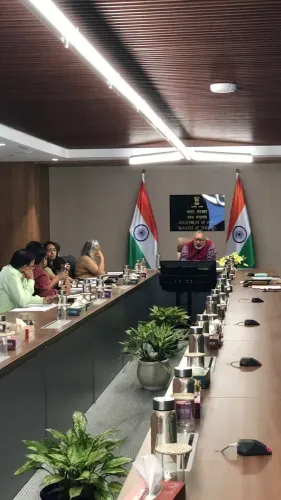
Union Textiles Minister Giriraj Singh on October 26 chaired an internal review of Ministry of Textiles schemes with senior officials, discussing current programme status and their impact on the textile industry.
Key Takeaways
Union Textiles Minister Giriraj Singh chaired a review meeting with senior ministry officials on October 26, 2026 .
The meeting focused on the current status of Ministry of Textiles schemes and their impact on the textile industry.
No specific scheme names, statistics, or decisions were disclosed publicly from the meeting.
Periodic ministerial reviews are a standard governance mechanism in central ministries to monitor and improve scheme implementation.
The Ministry of Textiles administers programmes covering production, exports, employment, and cluster development across India.
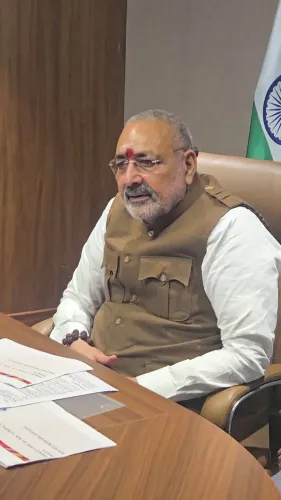
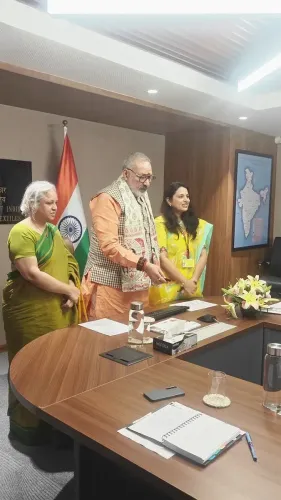
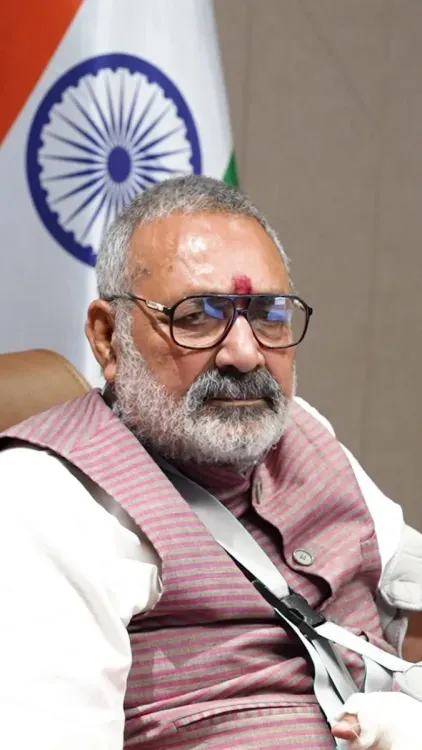
Behind every major industrial sector in India sits a ministry machine that must constantly ask: are our programmes actually working? On Monday, October 26, 2026, Union Textiles Minister Giriraj Singh chaired a high-level internal review meeting with senior officials of the Ministry of Textiles, examining the current status of the ministry's schemes and their real-world impact on the textile industry.
Posting on X, the minister wrote: 'आज वस्त्र मंत्रालय की योजनाओं की समीक्षा हेतु मंत्रालय के वरिष्ठ अधिकारियों के साथ बैठक की अध्यक्षता की।' ('Today I chaired a meeting with senior officials of the Ministry of Textiles to review the ministry's schemes.') The discussion, he noted, covered the current state of various programmes and the range of effects they are having on the textile sector.Why Periodic Reviews Matter for a Sector of This Scale
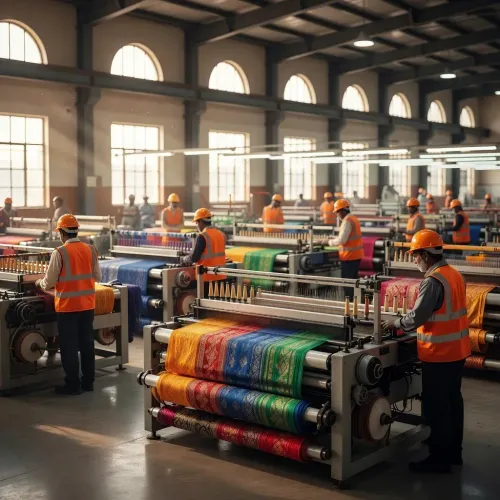
The Ministry of Textiles administers a broad portfolio of schemes spanning production incentives, export promotion, cluster development, and employment generation — all feeding into one of India's largest industrial employers. Periodic scheme reviews are a standard governance mechanism inside central ministries, allowing the administrative apparatus to flag implementation gaps, reallocate attention, and course-correct before annual budget cycles.
For the textile sector specifically, where ground-level outcomes — factory floors, handloom clusters, export consignments — can diverge sharply from policy intent, these ministerial-level meetings serve as a critical feedback loop between the bureaucracy and political leadership. The minister's direct involvement signals that actionable assessments, not just status reports, are on the agenda.
Giriraj Singh's Stewardship of the Textiles Portfolio
Giriraj Singh, a senior BJP leader and Lok Sabha MP from Begusarai, Bihar, has brought a hands-on administrative style to the textiles portfolio. The ministry oversees a sector that employs tens of millions of workers — many of them women and workers from rural and semi-urban areas — making scheme efficacy a question with direct social consequences, not just economic ones.
While the meeting's specific scheme outcomes and any follow-up decisions have not been detailed publicly, formal ministry communications or PIB releases are expected to carry additional specifics in the coming days.
Point of View
But the frequency and personal involvement of senior ministers often signals political pressure to demonstrate delivery ahead of key administrative milestones. For Giriraj Singh, chairing this meeting personally underscores accountability at the top — a posture consistent with the BJP government's emphasis on outcome-based monitoring across central ministries. The textile sector's scale as an employer makes scheme performance a politically sensitive metric. Whether specific course corrections follow will be the real indicator of whether this review translates into ground-level impact.
NationPress
26 Oct 2026
Frequently Asked Questions
Why did Giriraj Singh hold a textiles ministry review meeting?
Union Textiles Minister Giriraj Singh chaired the meeting to assess the current status of the ministry's schemes and evaluate their impact on the textile industry, as part of standard periodic governance reviews.
What does the Ministry of Textiles do in India?
The Ministry of Textiles administers government schemes covering textile production incentives, export promotion, handloom and handicraft cluster development, and employment generation across India's vast textile sector.
Who is Giriraj Singh?
Giriraj Singh is the Union Minister of Textiles in India, a senior BJP leader, and a Lok Sabha MP representing the Begusarai constituency in Bihar.
What schemes does the Textiles Ministry review?
The ministry oversees multiple programmes supporting textile production, exports, and employment. The October 26 meeting discussed the status of these schemes broadly, though specific scheme names were not publicly disclosed.
Will there be an official announcement about the textiles scheme review outcomes?
Formal ministry communications or official government press releases are expected to provide additional details on any decisions or follow-up actions arising from the review meeting.