Textiles Minister Giriraj Singh Highlights Chennai Silk Congress
Synopsis
Union Textiles Minister Giriraj Singh says international participation at the 27th International Sericulture Commission Congress in Chennai is strengthening global silk industry cooperation. He highlighted discussions on technology, innovation and sustainable production, placing the gathering alongside India's broader push to modernise its silk sector.
Key Takeaways
Giriraj Singh highlighted international participation at the 27th International Sericulture Commission Congress in Chennai.
The minister identified technology, innovation and sustainable production as subjects of discussion.
His post did not specify participation figures, session outcomes or new commitments.
The Central Silk Board supports sericulture development and quality standards under the textiles ministry.
Silk Samagra, launched in 2017, supports silk production, research and market linkages.
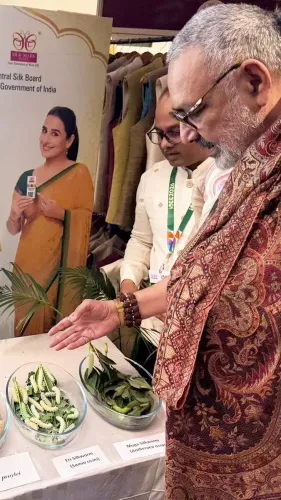
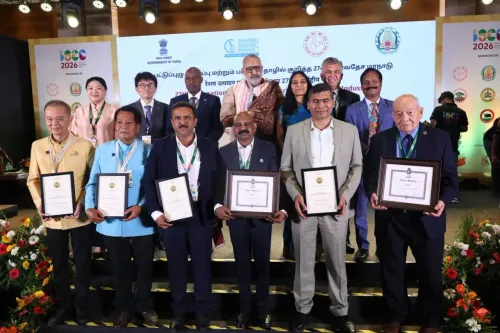
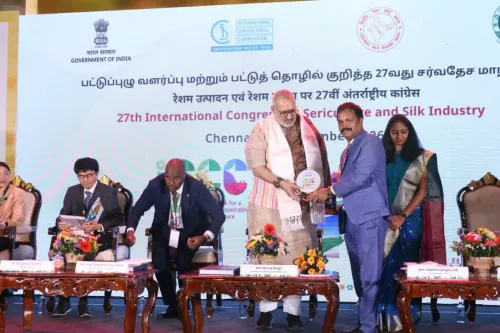
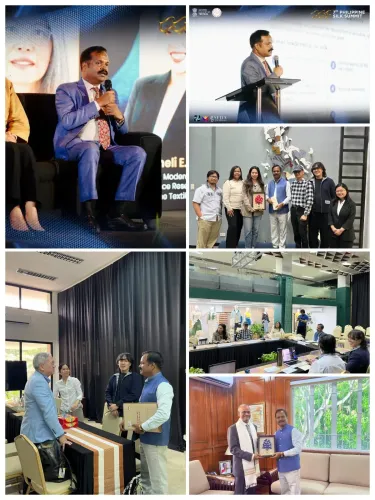
Global silk producers are meeting in Chennai, where Union Textiles Minister Giriraj Singh says international participation in the 27th International Sericulture Commission Congress is strengthening cooperation across the industry. In a post on 24 November 2026, he pointed to discussions on technology, innovation and sustainable production as an opportunity for Indian silk on the global stage.
Chennai congress puts silk cooperation in focus
Singh said representatives from different countries were taking part in ISCC-2026. Their participation, he wrote, was giving 'new strength to cooperation and partnership in the global silk industry'.
He described the discussions on modern technology, innovation and sustainable production as an important initiative towards giving the Indian silk industry 'a new identity on the global stage'. His post did not specify participation figures, session outcomes or new commitments.
From silk research to production and exports
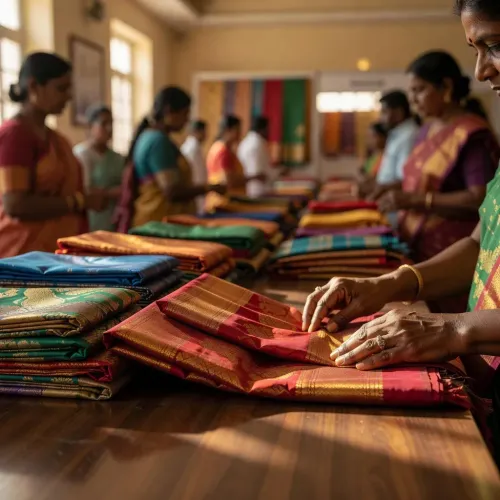
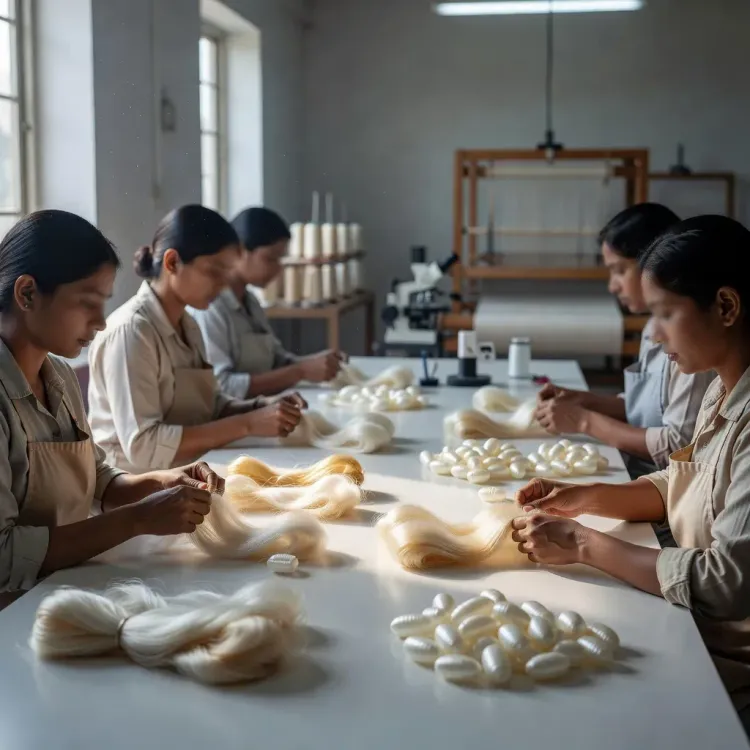
The congress brings an international dimension to a sector that connects sericulture farmers with silk weavers and exporters. The International Sericulture Commission promotes research, standards and cooperation in silk production, while the Central Silk Board, a statutory body under the textiles ministry, supports sericulture development and quality standards in India.
India's effort to modernise the sector also includes Silk Samagra, launched by the textiles ministry in 2017 to support mulberry and non-mulberry silk production, research and development, and market linkages across states. The wider aim is to connect traditional production clusters with technology, research networks and export markets.
For farmers, weavers and exporters, the question now is whether the discussions in Chennai lead to concrete measures for technology adoption and sustainable production.
Point of View
But Singh's post does not establish any new commitments. The practical test will be whether discussions translate into measures that reach farmers, weavers and exporters.
NationPress
24 Nov 2026
Frequently Asked Questions
What did Giriraj Singh say about the Chennai silk congress?
He said participation by representatives from different countries was strengthening cooperation and partnership in the global silk industry. He also highlighted discussions on technology, innovation and sustainable production.
Where is the 27th International Sericulture Commission Congress being held?
The congress is being held in Chennai, Tamil Nadu, according to Giriraj Singh's post.
What does the International Sericulture Commission do?
The International Sericulture Commission is an intergovernmental body that promotes sericulture research, standards and international cooperation in silk production.
What is the Silk Samagra scheme?
Silk Samagra is a textiles ministry scheme launched in 2017 to support mulberry and non-mulberry silk production, research and development, and market linkages across states.
Were new silk sector commitments announced at ISCC-2026?
Giriraj Singh's post did not specify any new commitments or session outcomes.