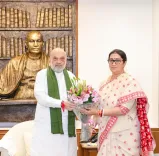
Giriraj Singh chairs silk sector review meet
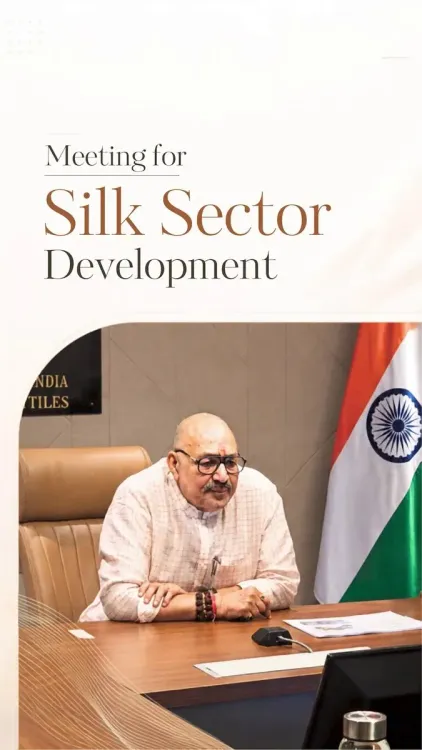
Synopsis
Union Textiles Minister Giriraj Singh chaired a wide-ranging review of India's silk sector on June 8, 2026, covering comprehensive development, capacity expansion, and future possibilities — linking sericulture growth to the Viksit Bharat 2047 and Aatmanirbhar Bharat frameworks.
Key Takeaways
Giriraj Singh chaired a comprehensive silk sector review meeting on June 8, 2026 .
Discussions covered overall development, capacity expansion, and future growth prospects for the sector.
The Central Silk Board , under the Ministry of Textiles, is the nodal body for sericulture promotion and regulation in India.
The Silk Samagra scheme, launched in 2017 , is the government's primary integrated support programme for the silk value chain.
The review aligns with the Viksit Bharat 2047 vision and the Aatmanirbhar Bharat goal of reducing dependence on imported silk.
Silk farmers, sericulture workers, and textile manufacturers across states like Karnataka, West Bengal , and Andhra Pradesh are the key stakeholders.
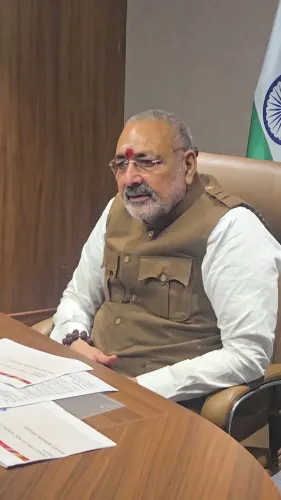
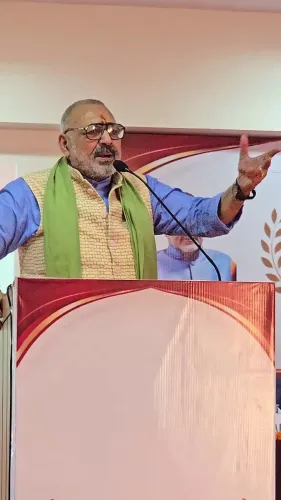
Union Textiles Minister Giriraj Singh on Monday, June 8, 2026, chaired a comprehensive review meeting focused on the development and progress of India's silk sector, examining capacity expansion and future growth prospects for the industry.
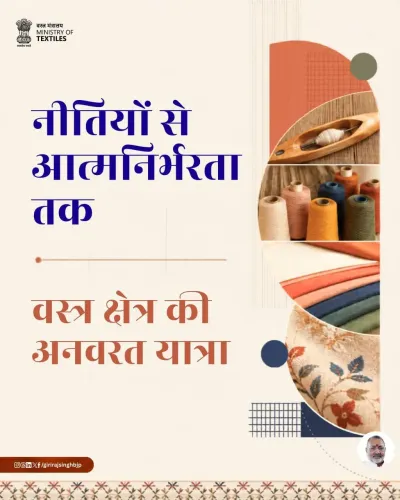
Posting on X, the minister said he had presided over a wide-ranging review meeting on the silk sector, adding that discussions covered 'समग्र विकास, क्षमता विस्तार और भविष्य की संभावनाओं' — comprehensive development, capacity expansion, and future possibilities — of the sector.
Context
India is among the world's largest producers of silk, with the sector supporting millions of rural livelihoods across states such as Karnataka, Andhra Pradesh, West Bengal, Jharkhand, and Jammu and Kashmir. Sericulture — the cultivation of silkworms for raw silk production — is an agriculture-allied activity that links farm households directly to the textile export supply chain. The Central Silk Board, a statutory body constituted under the Central Silk Board Act of 1948 and functioning under the Ministry of Textiles, is the nodal agency for research, extension services, and industry regulation.
Policy Backdrop
The government's flagship Silk Samagra scheme, launched in 2017, provides integrated support covering research, seed production, extension services, and quality certification across the silk value chain. The ministry has consistently framed sericulture growth within the broader Aatmanirbhar Bharat self-reliance framework, aiming to reduce dependence on imported silk — particularly from China — and strengthen domestic production capacity. The sector also features prominently in the government's Viksit Bharat 2047 vision, which targets transforming India into a developed economy by the centenary of independence, with manufacturing and allied agro-industries as key pillars.
Ministerial review meetings on silk are a standard governance mechanism to track scheme implementation, assess production targets, and course-correct on bottlenecks. The practice of holding periodic reviews signals continued executive attention to a sector that, while traditional, carries significant export and employment potential.
Stakeholders and Impact
Silk farmers and sericulture workers stand as the most direct beneficiaries of any policy push emerging from such reviews, with improved seed supply, technical training, and market linkages translating into higher farm incomes. Textile manufacturers and handloom weavers — particularly those producing silk sarees in weaving clusters such as Varanasi, Kanchipuram, and Murshidabad — depend on stable raw silk supply and quality standards set through Central Silk Board programmes. On the export side, a stronger domestic silk sector reduces India's raw-material import bill and improves the competitiveness of finished silk goods in global markets.
What's Next
The review is expected to feed into state-level implementation assessments and potential budget-linked extensions of sericulture schemes in major producing states. Parliamentary scrutiny of the Ministry of Textiles performance, including questions on production targets and scheme expenditure, is a likely follow-on. Any fresh targets or scheme modifications aligned with Viksit Bharat 2047 milestones would require formal announcement through official ministry channels.
Point of View
Making productivity and capacity gains a recurring policy priority. By publicly flagging the review on X with hashtags linking to national vision goals, the minister is also performing accountability — signalling that the sector is on the ministry's active agenda, not just a ceremonial portfolio item. The next meaningful test will be whether the review translates into measurable scheme extensions or fresh production targets in the months ahead.
NationPress
22 Oct 2026
Frequently Asked Questions
What did Giriraj Singh discuss in the silk sector review meeting?
The meeting covered comprehensive development of the silk sector, capacity expansion, and future growth possibilities, according to the minister's post on June 8, 2026.
What is the Central Silk Board and what does it do?
The Central Silk Board is a statutory body under the Ministry of Textiles, established under the Central Silk Board Act of 1948, responsible for promoting sericulture research, extension services, and regulation of the silk industry across India.
What is the Silk Samagra scheme?
Silk Samagra is a central sector scheme launched in 2017 to provide integrated support to the silk industry, covering research, seed production, extension services, quality certification, and infrastructure development.
Which states are major silk producers in India?
Karnataka, Andhra Pradesh, West Bengal, Jharkhand, and Jammu and Kashmir are among the leading silk-producing states in India.
How does India's silk sector connect to Viksit Bharat 2047?
The government has linked sericulture growth to the Viksit Bharat 2047 vision, which aims to transform India into a developed economy by 2047, with domestic manufacturing and agriculture-allied industries as key components.