Giriraj Singh Highlights PM-Kisan Funds for UP Farmers
Synopsis
Union Textiles Minister Giriraj Singh announced that PM Modi released a PM-Kisan installment, channelling ₹4,352 crore to over 2.17 crore Uttar Pradesh farmers. The transfer underscores the scheme's scale and UP's dominant share of national beneficiaries under the ₹6,000 annual income support programme.
Key Takeaways
Union Textiles Minister Giriraj Singh shared the PM-Kisan disbursement update on 22 June 2026 via the NaMo App.
More than 2.17 crore farmers in Uttar Pradesh received a combined ₹4,352 crore in the latest installment.
The PM-Kisan scheme provides ₹6,000 per year to eligible landholding farmer families in three installments of ₹2,000 each.
The scheme was launched on 24 February 2019 and uses direct bank transfers to eliminate leakages.
Uttar Pradesh consistently holds the largest share of PM-Kisan beneficiaries among all Indian states.
The next installment cycle is expected around October 2026 , with a Union Budget revision to the quantum also being watched.
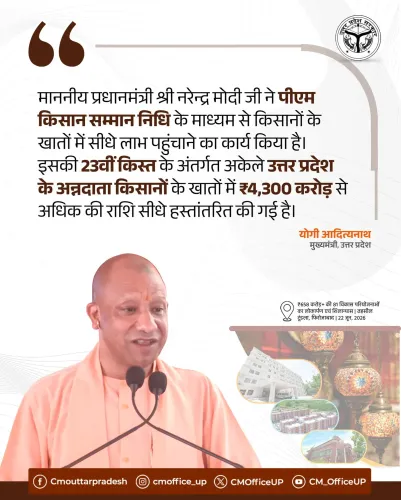
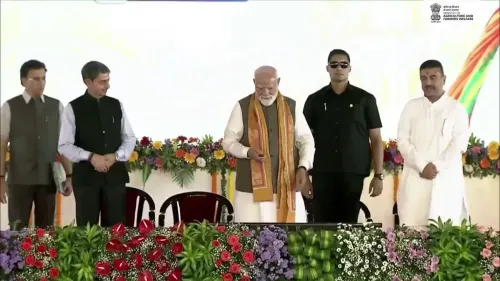
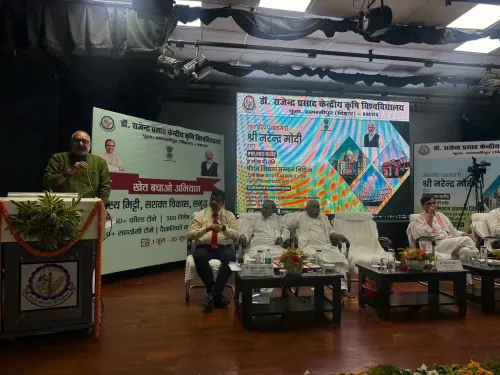
Union Textiles Minister Giriraj Singh on Monday, 22 June 2026, shared that Prime Minister Narendra Modi had released the latest installment under the Pradhan Mantri Kisan Samman Nidhi (PM-Kisan) scheme, with more than 2.17 crore farmers in Uttar Pradesh receiving a combined ₹4,352 crore in direct benefit transfers.
Context
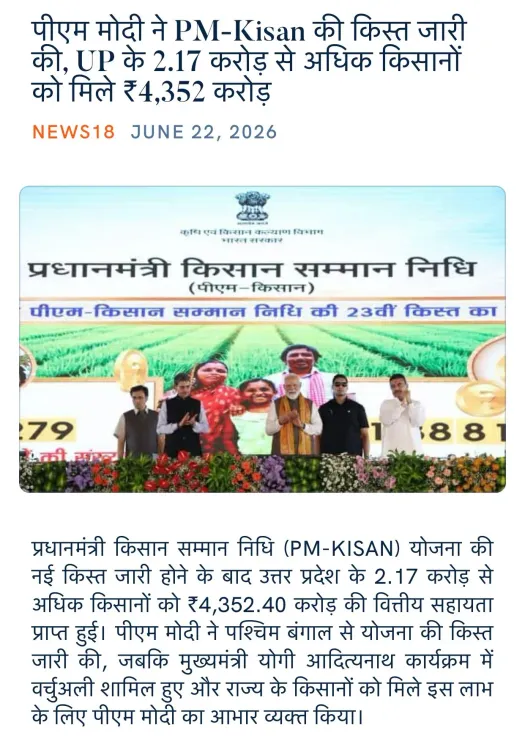
Singh's post, shared via the NaMo App, highlighted the scale of the disbursement in Uttar Pradesh, India's most populous state and the single largest pool of PM-Kisan beneficiaries nationally. The minister noted the transfer in a message that read: 'पीएम मोदी ने PM-Kisan की किस्त जारी की, UP के 2.17 करोड़ से अधिक किसानों को मिले ₹4,352 करोड़' ['PM Modi released the PM-Kisan installment; more than 2.17 crore UP farmers received ₹4,352 crore']. As a senior BJP leader and Lok Sabha MP from Begusarai, Bihar, Singh frequently amplifies central welfare scheme deliveries on social media.
Policy Backdrop
The PM-Kisan scheme was formally launched on 24 February 2019 to provide landholding farmer families with an annual income support of ₹6,000, disbursed in three equal installments of ₹2,000 every four months through direct bank transfers. The programme was designed to reduce leakages inherent in older subsidy mechanisms and deliver timely cash support to small and marginal cultivators. Successive installment releases since December 2019 have been publicised as evidence of scheme delivery at scale.
Uttar Pradesh consistently accounts for the largest share of beneficiaries in any given installment cycle, owing to its vast rural population and the predominance of small landholdings across the state's agrarian economy. The ₹4,352 crore figure cited for UP alone underscores the state's outsized weight in national agricultural welfare expenditure.
Stakeholders and Impact
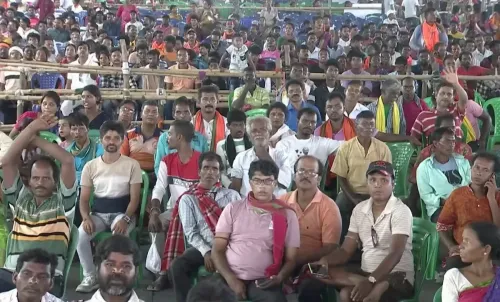
The primary beneficiaries of this disbursement are small and marginal farmers across Uttar Pradesh — households that depend on agriculture as their principal livelihood and for whom the periodic cash transfer provides a meaningful supplement to farm income, particularly ahead of the kharif sowing season. Direct benefit transfer architecture ensures funds reach registered bank accounts without intermediary deductions. For the BJP, timely releases ahead of election cycles or budget sessions also carry political salience, reinforcing the party's farmer-welfare messaging.
What's Next
The next scheduled PM-Kisan installment cycle will fall approximately four months from the current release, likely around October 2026. Policy watchers will also track whether the forthcoming Union Budget proposes any revision to the annual quantum of ₹6,000 per family — a figure that has remained unchanged since the scheme's inception — or any expansion of the eligibility criteria to cover tenant farmers and sharecroppers currently excluded from the programme. Any such revision would significantly alter the total outlay and beneficiary count in states like Uttar Pradesh.
Point of View
Tying them to Prime Minister Modi's leadership. Uttar Pradesh's outsized beneficiary count — over 2.17 crore families in a single installment — makes it the most politically consequential state for the scheme, and highlighting UP-specific figures serves both governance accountability and electoral messaging. The unchanged annual quantum of ₹6,000 since 2019 remains a pressure point for farm groups, making any pre-Budget signal on revision a key watch. The broader arc here is the government's sustained bet that direct benefit transfers, made visible through digital platforms, can consolidate rural support at scale.
NationPress
22 Jun 2026
Frequently Asked Questions
What is the PM-Kisan scheme and how much do farmers get?
PM-Kisan, or Pradhan Mantri Kisan Samman Nidhi, provides ₹6,000 per year in direct income support to eligible landholding farmer families, paid in three installments of ₹2,000 every four months directly into their bank accounts.
How many UP farmers got PM-Kisan money in June 2026?
More than 2.17 crore farmers in Uttar Pradesh received PM-Kisan funds in the June 2026 installment, amounting to a total of ₹4,352 crore for the state.
When was the PM-Kisan scheme launched?
The PM-Kisan scheme was formally launched on 24 February 2019 by Prime Minister Narendra Modi to deliver direct cash transfers to small and marginal farmers across India.
Why does Uttar Pradesh get the most PM-Kisan money?
Uttar Pradesh is India's most populous state with a large rural population and a high number of small landholdings, making it the single largest pool of PM-Kisan beneficiaries in any given installment cycle.
When is the next PM-Kisan installment due?
PM-Kisan installments are released every four months, so the next cycle after the June 2026 release is expected around October 2026, subject to government scheduling.