Giriraj Singh Meets Sri Lanka Minister on Textiles Ties
Synopsis
Union Textiles Minister Giriraj Singh held a cordial meeting with Sri Lanka's Industry and Entrepreneurship Development Minister Sunil Handunnetti in New Delhi on 14 July 2026. Discussions covered industry, trade, and textiles cooperation, with both sides exploring ways to strengthen bilateral ties ahead of BharatTex2026.
Key Takeaways
Union Textiles Minister Giriraj Singh met Sri Lanka's Minister Sunil Handunnetti and his delegation on 14 July 2026 in New Delhi.
Talks covered industry, trade, and the textiles sector, with a focus on deepening bilateral cooperation.
The meeting was flagged in the context of BharatTex2026 , India's flagship textiles trade event.
Bilateral textiles ties are underpinned by the India-Sri Lanka Free Trade Agreement , in force since 2000 .
India's PLI scheme for textiles (2021) forms part of the broader policy backdrop for such engagements.
Potential follow-ups include MoUs or joint working groups ahead of BharatTex2026.
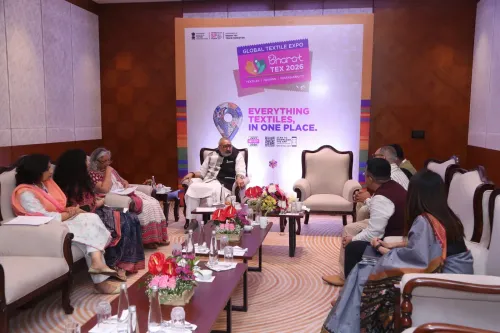
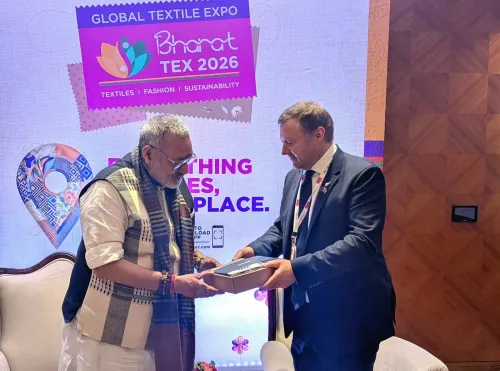
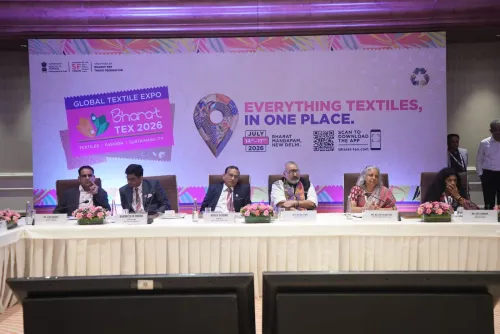
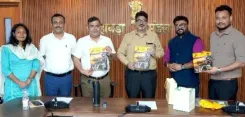
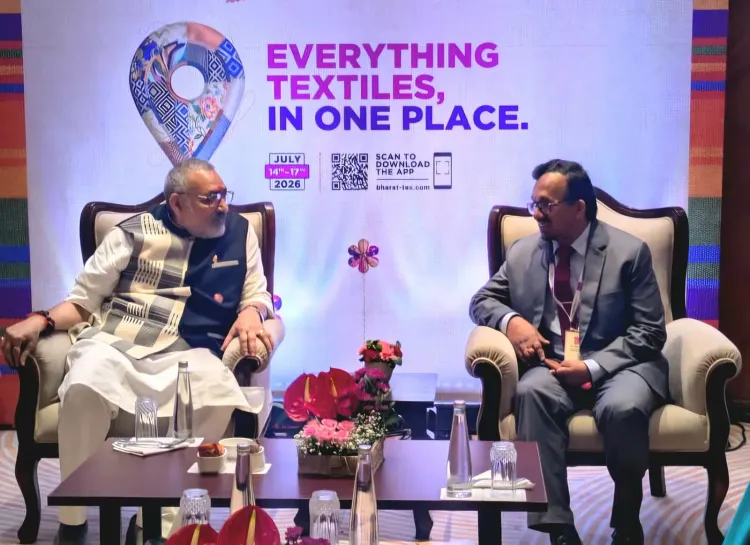
Union Textiles Minister Giriraj Singh met Sri Lanka's Minister of Industry and Entrepreneurship Development, Sunil Handunnetti, and his delegation in New Delhi on Tuesday, 14 July 2026, for talks covering industry, trade, and the textiles sector, with both sides exploring avenues to deepen bilateral cooperation.
Posting on X, Singh described the meeting as a cordial engagement — 'सौहार्दपूर्ण भेंट' ('a warm and friendly meeting') — saying that views were exchanged on subjects related to industry, trade, and textiles, and that possibilities of advancing cooperation between the two countries were discussed. The post was tagged with #BharatTex2026 and #IndiaSriLanka, signalling the meeting's forward-looking dimension.
Context
The meeting fits squarely within India's neighbourhood-first foreign policy, which prioritises deepening economic and sectoral ties with South Asian neighbours. Sunil Handunnetti, who oversees industry and entrepreneurship development in Colombo, represents Sri Lanka's economic reform agenda as the island nation works to rebuild its economy after the severe financial crisis of 2022.
Bilateral engagement between New Delhi and Colombo on trade and industry has historically been anchored in the India-Sri Lanka Free Trade Agreement, signed in December 1998 and in force since 2000, which liberalised tariffs on textiles, garments, and a range of other goods. The agreement laid the groundwork for supply-chain linkages that continue to benefit manufacturers and exporters on both sides.
Policy Backdrop
India's textiles sector has received significant policy impetus in recent years. The government launched the Production-Linked Incentive (PLI) scheme for textiles in 2021, aimed at boosting domestic manufacturing capacity and scaling up exports of man-made fibres and technical textiles. The scheme targets MSME manufacturers and large exporters alike, and has been positioned as a vehicle for India to capture a larger share of global textile supply chains.
The reference to BharatTex2026 in Singh's post is notable. BharatTex is India's flagship textiles trade exposition, and its 2026 edition is expected to serve as a platform for international buyers, investors, and partner governments to engage with Indian textile producers. Signalling Sri Lanka's participation or interest in this event could point to a structured follow-up beyond the bilateral meeting.
Stakeholders and Impact
Textile exporters and MSME manufacturers in both countries stand to gain from any deepening of bilateral cooperation. India is among Sri Lanka's largest trading partners, and the garments and apparel segment has historically been a key component of that relationship, with Sri Lankan manufacturers importing Indian yarn and fabric for value-added production.
Broader regional frameworks — including SAARC and BIMSTEC — have provided institutional channels for such sector-specific dialogues, and any outcomes from this meeting could feed into the next round of bilateral trade review mechanisms between the two governments.
What's Next
Observers will watch for any follow-up announcements, including possible Memoranda of Understanding (MoUs) or the formation of joint working groups on textiles and industry. With BharatTex2026 on the horizon, there is a clear window for translating diplomatic goodwill into concrete trade and investment commitments. Any formal outcomes from this ministerial-level engagement are expected to be announced through official government channels in the weeks ahead.
Point of View
Potentially translating goodwill into supply-chain and investment commitments. For the BJP government, such bilateral optics also reinforce the narrative of India as a proactive regional economic anchor. The meeting's real test will be whether it produces tangible institutional outcomes — MoUs or working groups — before BharatTex2026 opens its doors.
NationPress
15 Jul 2026
Frequently Asked Questions
Why did Giriraj Singh meet Sri Lanka's minister in July 2026?
Union Textiles Minister Giriraj Singh met Sri Lanka's Industry and Entrepreneurship Development Minister Sunil Handunnetti on 14 July 2026 to exchange views on industry, trade, and textiles, and to explore ways to deepen bilateral cooperation between India and Sri Lanka.
What is BharatTex2026 and why is it relevant here?
BharatTex2026 is India's flagship international textiles trade exposition. Its mention in Giriraj Singh's post about the Sri Lanka meeting suggests New Delhi is positioning the event as a platform for translating bilateral goodwill into concrete trade and investment engagement.
What is the India-Sri Lanka Free Trade Agreement?
The India-Sri Lanka Free Trade Agreement was signed in December 1998 and came into force in 2000. It liberalised tariffs on textiles, garments, and other goods, forming the foundation of bilateral trade and supply-chain linkages between the two countries.
Who is Sunil Handunnetti?
Sunil Handunnetti is Sri Lanka's Minister of Industry and Entrepreneurship Development. He visited New Delhi in July 2026 and held talks with Indian Textiles Minister Giriraj Singh on bilateral trade and industrial cooperation.
What could be the next steps after this India-Sri Lanka textiles meeting?
Possible follow-ups include the signing of Memoranda of Understanding and the formation of joint working groups on textiles and industry. Announcements are expected through official government channels, particularly in the run-up to BharatTex2026.