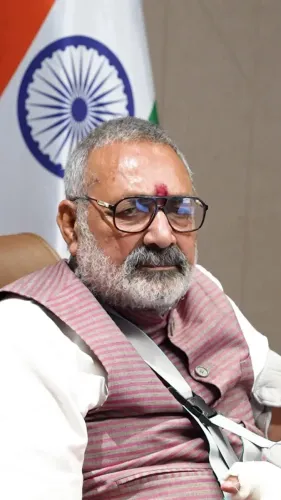
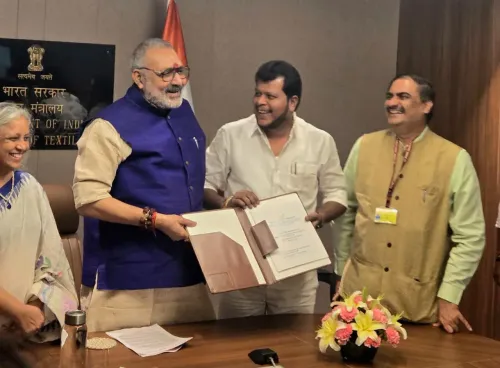
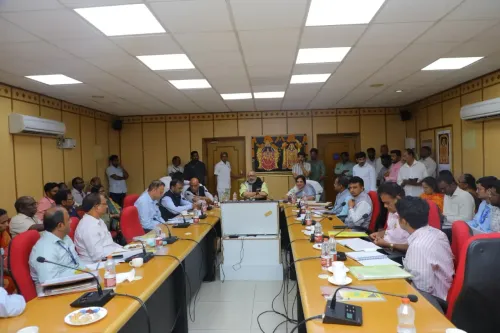
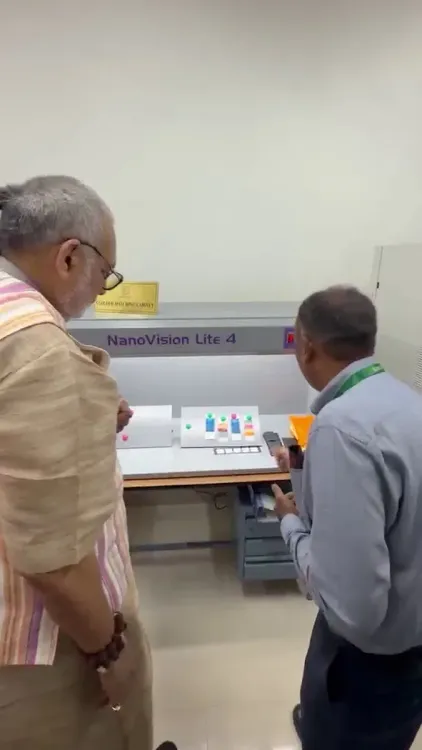
Textiles Minister Giriraj Singh reviews zari testing in Kanchipuram
Synopsis
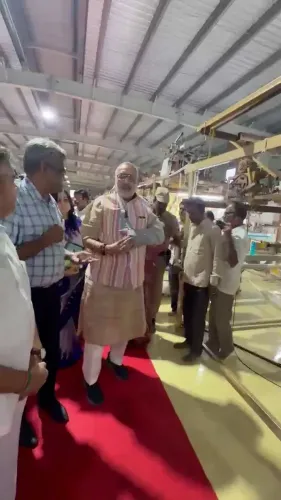
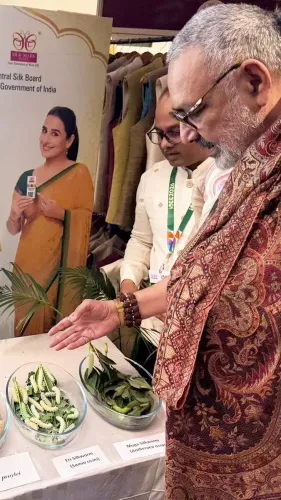
Union Textiles Minister Giriraj Singh says he visited a Central Silk Board research station in Kanchipuram and reviewed its zari testing facilities. The visit highlights quality and technical standards in a city known for handloom silk sarees and traditional zari work.
Key Takeaways
Union Textiles Minister Giriraj Singh reported visiting the research station at Sirukaberipakkam, Kanchipuram .
He reviewed zari testing facilities at the Central Silk Board testing centre.
Singh said he learned about efforts to improve quality and technical standards in the silk and zari industry.
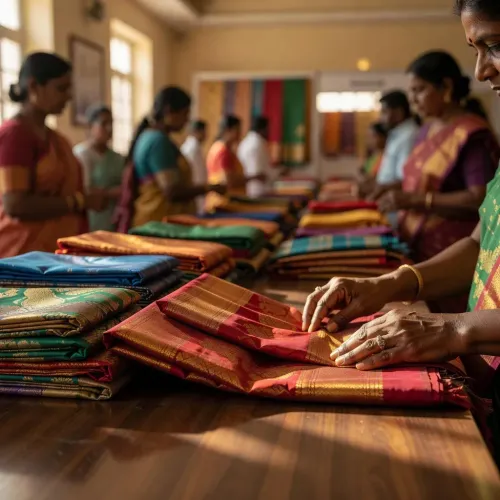
Kanchipuram is known for handloom silk sarees and traditional zari work.
The post did not specify the visit date or announce a new measure.
Union Textiles Minister Giriraj Singh has inspected zari testing facilities in Kanchipuram, Tamil Nadu, a silk-weaving centre known for its handloom sarees and traditional zari work. In a post on November 23, 2026, he said he visited the Central Silk Board's Regional Silk Technological Research Station at Sirukaberipakkam and learned about efforts to improve quality and technical standards in the silk and zari industry.
What Singh saw at the CSB testing centre
Singh said he reviewed the facilities for testing zari, the decorative thread used in traditional textile work, at the CSB Testing Centre. He also received information on efforts to improve standards across the silk and zari industry.
In his Hindi post, the minister said, 'I observed the zari testing facilities at the CSB Testing Centre and learned about efforts to improve quality and technical standards in the silk and zari industry.' He did not specify the date of the visit or announce a new measure in the post.
Why zari standards matter in Kanchipuram
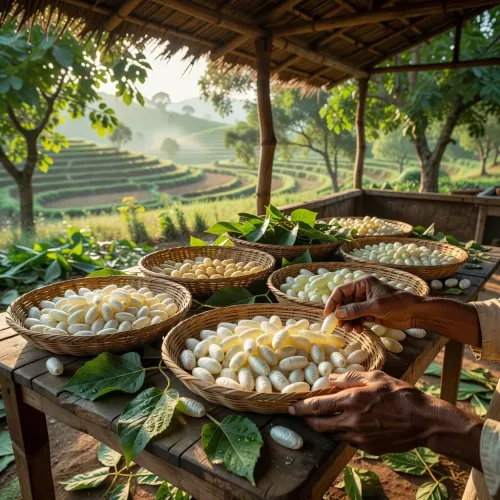
Kanchipuram is a major silk-weaving centre whose handloom sarees are known for traditional zari work. Standards and testing matter in a sector where concerns about purity and adulteration have long been part of the discussion, with silk weavers and zari artisans among those connected to the trade.
The Central Silk Board is a statutory body under the Ministry of Textiles, constituted under the Central Silk Board Act, 1948. Its role includes coordinating scientific, technical and economic research for the silk sector.
Singh's visit puts the spotlight on the testing infrastructure behind a traditional textile cluster. The question for the sector is whether scrutiny of that infrastructure will lead to further steps on testing or certification.
Point of View
Zari standards have particular relevance because of longstanding concerns over purity and adulteration. The minister's post describes an inspection, not a policy change; any expansion of testing or revision of certification norms would require a separate announcement.
NationPress
23 Nov 2026
Frequently Asked Questions
What did Giriraj Singh review in Kanchipuram?
He reviewed zari testing facilities at a Central Silk Board testing centre. He also said he learned about efforts to improve quality and technical standards in the silk and zari industry.
Where is the silk research station Singh visited?
It is at Sirukaberipakkam in Kanchipuram, Tamil Nadu. Singh identified it as the Central Silk Board's Regional Silk Technological Research Station.
Why is Kanchipuram important for silk and zari?
Kanchipuram is a major silk-weaving centre known for handloom silk sarees and traditional zari work.
What does the Central Silk Board do?
The Central Silk Board supports development of the silk industry through research, extension and quality regulation. It is a statutory body under the Ministry of Textiles, constituted under the Central Silk Board Act, 1948.
Did Giriraj Singh announce new zari testing rules?
No new testing rules were announced in his post. He described reviewing facilities and learning about efforts to improve standards.