Giriraj Singh visits IIHT SUTRA 2026 handloom innovation exhibition
Synopsis
Union Textiles Minister Giriraj Singh visited the IIHT SUTRA 2026 exhibition on 12 August 2026, lauding student-led handloom innovations and stressing the need to align technical education with industry demands to future-proof India's handloom sector.
Key Takeaways
Giriraj Singh visited the IIHT SUTRA 2026 exhibition on 12 August 2026 , organised by the Indian Institutes of Handloom Technology.
Students showcased innovations, institutional achievements, and emerging technologies relevant to the handloom sector.
The minister praised young talent's 'creative thinking and technical skills' and called such efforts crucial for linking education to industry requirements.
The IIHT network was established in 1956 with the first institute in Varanasi to bring scientific training to the handloom sector.
The visit reflects the textiles ministry's ongoing push to modernise handloom education and close the skills-to-industry gap.
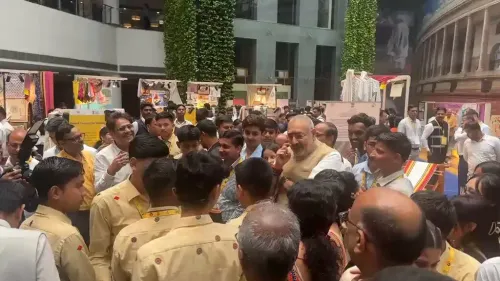
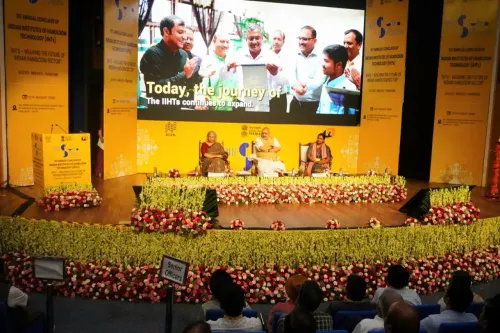
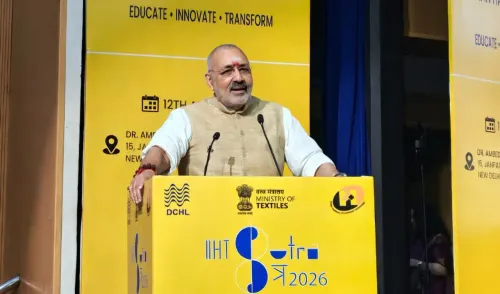
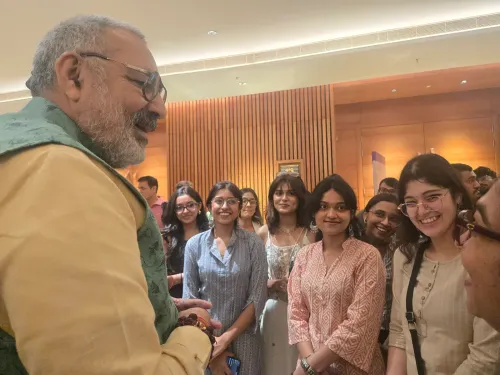
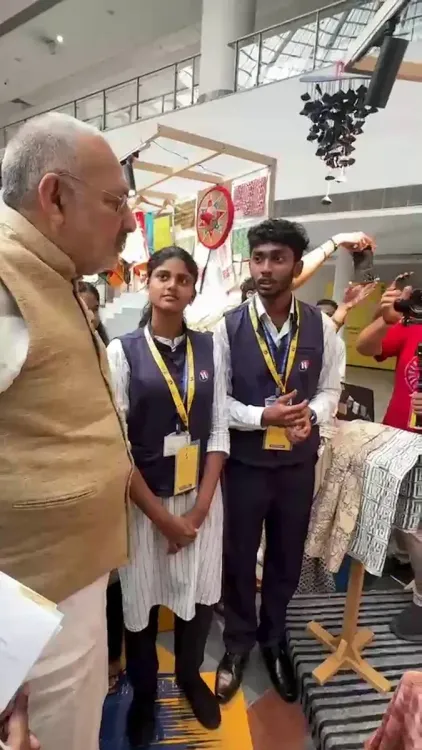
Where looms meet labs, a new generation of handloom technologists is making its case. Union Textiles Minister Giriraj Singh on Wednesday, 12 August 2026, visited an exhibition organised under 'IIHT SUTRA 2026', where students of the Indian Institutes of Handloom Technology (IIHT) showcased innovations, institutional achievements, and emerging technologies linked to the handloom sector.
Posting on X, the minister said he was 'delighted' — 'युवा प्रतिभाओं की रचनात्मक सोच और तकनीकी कौशल को देखकर प्रसन्नता हुई' ('I was pleased to see the creative thinking and technical skills of young talents') — and underlined that such efforts are 'important for linking handloom education to industry requirements and making the sector future-ready.'
IIHT's seven-decade foundation for a modern craft
The IIHT network traces its roots to 1956, when the first institute was established in Varanasi to bring scientific methods and structured technical training into a sector that had long relied on inherited craft knowledge. Today, the institutes sit at the intersection of traditional weaving and contemporary textile engineering, training students in both the loom and the laboratory.
The SUTRA 2026 exhibition placed that dual identity on display — student-developed innovations alongside emerging technologies that could reshape how handloom fabric is designed, produced, and scaled. The minister's walkthrough signals continued ministerial attention to closing the gap between what IIHT classrooms teach and what the industry actually needs.
Bridging the skills gap in India's handloom belt
India's handloom sector is the world's largest, employing millions of weavers — yet it has historically struggled to absorb and adapt new technology at scale. Government policy over successive decades has pushed to modernise the sector through institutional investment, with IIHT campuses serving as the primary pipeline for technically trained manpower.
Singh's emphasis on 'industry linkage' points to a persistent challenge: graduating students who can translate craft heritage into commercially viable, technology-forward products. Exhibitions like SUTRA, where student innovation is put in front of policymakers, are one mechanism for tightening that feedback loop between training institutions and the weaving economy.
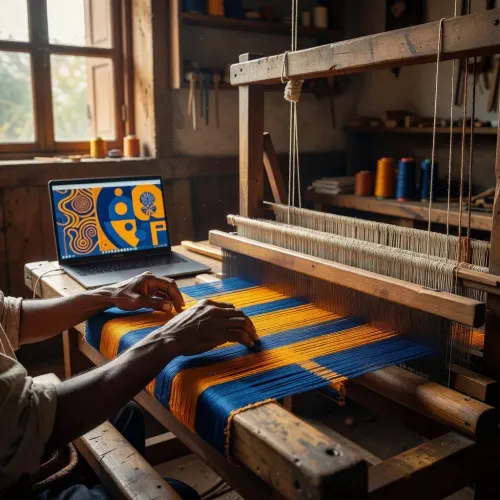
If the ideas on display at SUTRA 2026 find their way into updated curricula or ministry-backed pilot programmes, the next generation of handloom technologists could carry both the shuttle and the algorithm.
Point of View
A pivot visible across sectors from ITIs to NSDCs. For the handloom sector specifically, the stakes are real: without a credible pipeline of technically skilled graduates who can work with modern design and production tools, the sector risks being outcompeted by power-loom and synthetic alternatives. Whether ministerial attention translates into curriculum reform or budget allocation is the question to watch.
NationPress
12 Aug 2026
Frequently Asked Questions
What is IIHT SUTRA 2026?
'IIHT SUTRA 2026' is an exhibition organised by the Indian Institutes of Handloom Technology in which students display innovations, institutional achievements, and emerging technologies related to the handloom sector. Specific programme details have not been officially confirmed beyond the minister's post.
What is the Indian Institute of Handloom Technology (IIHT)?
IIHT is a network of government institutes that provide technical education, training, and research in handloom weaving and related technologies. The first institute was established in Varanasi in 1956.
Why did Giriraj Singh visit the IIHT exhibition?
As Union Textiles Minister, Giriraj Singh visited the IIHT SUTRA 2026 exhibition to observe student innovations and highlight the importance of linking handloom education to industry needs and future technologies.
How does IIHT support India's handloom sector?
IIHT trains students in both traditional weaving and modern textile engineering, acting as the primary institutional pipeline for technically skilled manpower in India's handloom industry.
What is the government's policy on handloom education in India?
Indian government policy has long focused on modernising the handloom sector by strengthening technical education institutions like IIHT and aligning their curricula with industry requirements and emerging technologies.