Goa CM Sawant Meets Amit Shah, Discusses State Development
Synopsis
Goa Chief Minister Pramod Sawant met Union Home Minister Amit Shah in New Delhi on 27 May 2026, holding discussions on development and progress issues for the state. Sawant called the meeting 'fruitful' and thanked Shah for his continued guidance and support to Goa.
Key Takeaways
Goa Chief Minister Pramod Sawant visited New Delhi on 27 May 2026 to meet Union Home Minister Amit Shah .
The meeting focused on 'key issues concerning the development and progress of Goa ,' according to Sawant's post on X.
Amit Shah holds the dual portfolio of Union Home Minister and Minister of Cooperation, both relevant to Goa's administrative and economic needs.
Goa has been governed by the BJP since 2017 , with Sawant serving as Chief Minister since 2019 .
Such centre-state meetings typically address funding alignment, scheme implementation, and administrative support for smaller states like Goa .
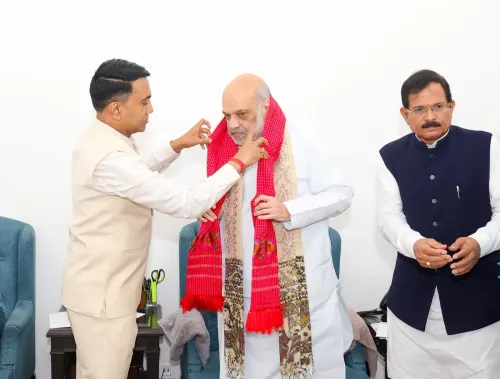
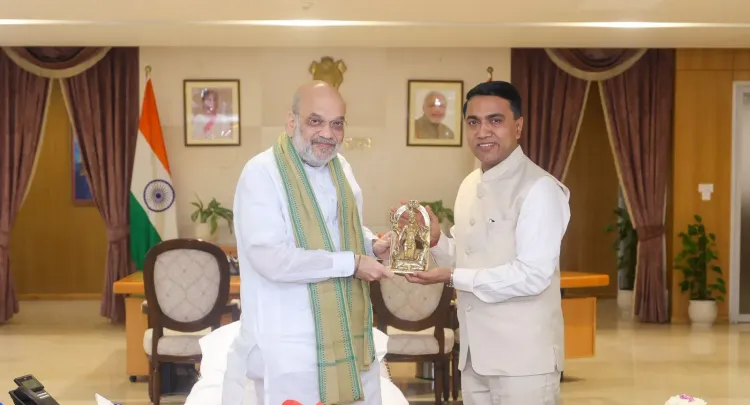
Goa Chief Minister Pramod Sawant called on Union Home Minister and Minister of Cooperation Amit Shah in New Delhi on Wednesday, 27 May 2026, holding discussions on key issues related to the development and progress of Goa. Sawant described the meeting as 'fruitful' and expressed gratitude for Shah's 'continued guidance and support' to the state.
Context
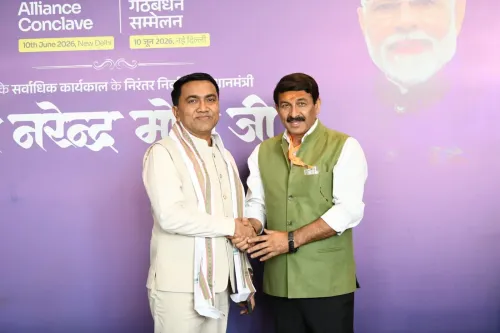
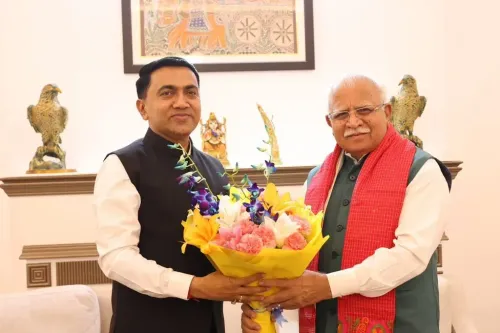
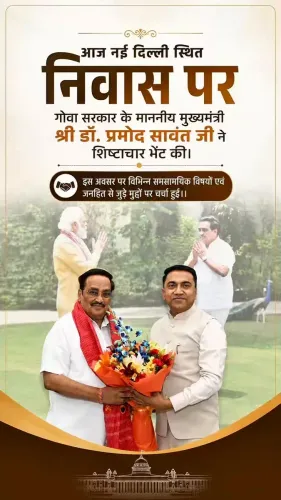
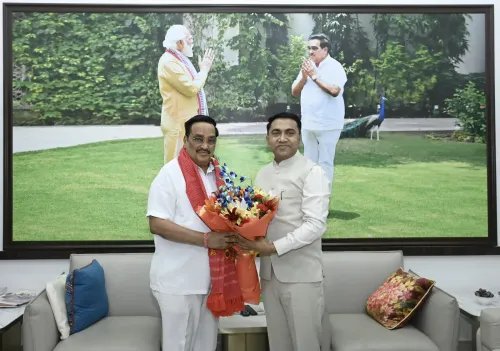
Chief Minister Sawant took to X (formerly Twitter) to share details of the meeting, stating he 'called on the Hon'ble Union Home Minister and Cooperation Shri Amit Shah ji in New Delhi today.' The post was accompanied by three photographs from the meeting. Sawant noted that the discussion covered 'key issues concerning the development and progress of Goa.'
Such high-level consultations between state chief ministers and the Union Home Ministry form part of the structured centre-state coordination framework that BJP-governed states have maintained under the current central government. For a smaller coastal state like Goa, direct access to the Union Home Minister carries significance for administrative support and funding alignment.
Policy Backdrop
Amit Shah has held the portfolio of Union Home Minister since 2019 and additionally oversees the Ministry of Cooperation, making him a central figure for states seeking guidance on both internal administration and cooperative sector development. The Ministry of Home Affairs plays a pivotal role in coordinating law and order, development funding, and policy implementation between the Centre and states.
Goa has been governed by the BJP since 2017, with Pramod Sawant assuming the chief ministership in 2019 following the passing of Manohar Parrikar. Since taking office, Sawant has maintained a practice of regular consultations with central leadership to advance the state's development agenda, which spans tourism infrastructure, coastal connectivity, and sustainable growth initiatives.
Stakeholders and Impact
Residents of Goa and the state administration stand as the primary stakeholders in outcomes that may emerge from such centre-state consultations. Meetings of this nature typically lay the groundwork for announcements related to central assistance, scheme implementation, and administrative support for state-level projects.
The Ministry of Cooperation, which Shah also heads, adds another dimension to such meetings, as cooperative sector development — spanning agriculture, fisheries, and credit societies — is a significant component of Goa's rural and coastal economy. Any alignment of central cooperative policy with state priorities could have a direct bearing on these communities.
What's Next
Observers will watch for follow-up announcements from the Goa state government or the Ministry of Home Affairs regarding central assistance for ongoing or new projects in the state. Any references in the next parliamentary session or in Union Cabinet decisions pertaining to Goa may reflect the outcomes of this discussion. The meeting signals continued active engagement between the Goa government and central leadership ahead of the state's next budgetary and planning cycle.
Point of View
Which lacks the demographic weight of larger states, direct access to the Home Minister is a strategic asset for securing attention and resources. The inclusion of the Cooperation Ministry portfolio in Shah's remit also opens avenues for Goa's fisheries and rural cooperative sectors to benefit from centrally driven policy alignment. The meeting, while routine in form, signals that Goa's development agenda remains actively tethered to the Centre's policy priorities ahead of key planning cycles.
NationPress
19 Sept 2026
Frequently Asked Questions
Why did Goa CM Pramod Sawant meet Amit Shah in Delhi?
Goa Chief Minister Pramod Sawant met Union Home Minister Amit Shah on 27 May 2026 to discuss key issues related to the development and progress of Goa, as stated in Sawant's post on X.
What was discussed in the Pramod Sawant and Amit Shah meeting?
Sawant described the discussion as covering 'key issues concerning the development and progress of Goa,' though specific agenda items were not disclosed publicly.
How often does Goa CM meet the Union Home Minister?
Meetings between BJP chief ministers and the Union Home Minister form part of routine centre-state coordination, and Sawant has maintained a practice of regular consultations with central leadership since becoming Chief Minister in 2019.
What is Amit Shah's role in state development for Goa?
As Union Home Minister, Amit Shah oversees centre-state relations, internal security coordination, and development funding. He also heads the Ministry of Cooperation, which is relevant to Goa's fisheries and rural cooperative economy.
What could be the outcome of the Goa CM's meeting with Amit Shah?
Possible outcomes include central assistance for state projects, policy alignment under the Cooperation Ministry, or administrative support — though no specific announcements have been made following the meeting.