Shivraj Chouhan Highlights Government's Commitment to Elevate Farmers' Income
Synopsis
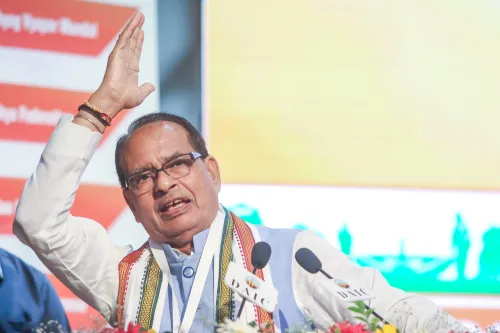
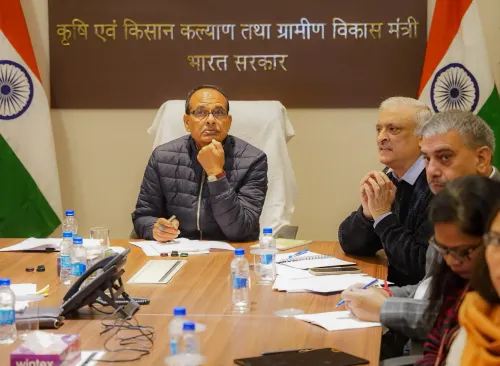
In a recent address, Union Agriculture Minister Shivraj Chouhan detailed the government's unwavering focus on enhancing farmers' income through a range of innovative initiatives, including the promotion of profitable crop alternatives and significant reforms in crop insurance.
Key Takeaways
Government Prioritizes Farmers: Focus on enhancing income and security.
Promotion of Alternatives: Encouragement to transition from harmful crops like tobacco.
Integrated Farming Models: Support for diversifying agricultural activities for stable income.
Reforms in Crop Insurance: Quick compensation for farmers to mitigate losses.
Direct Benefit Transfers: Financial support reaching farmers directly through DBT.
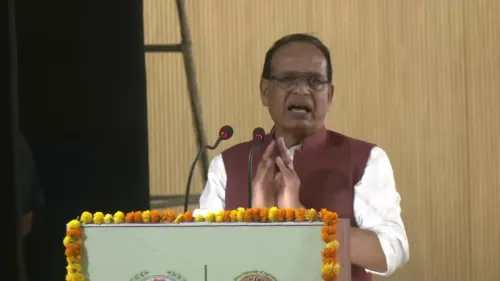
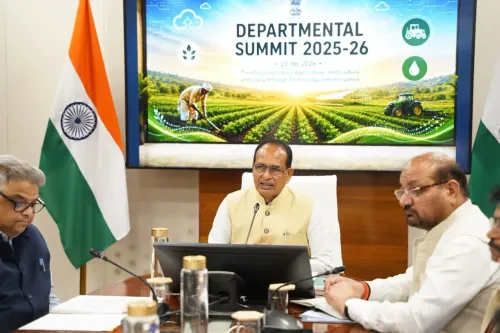
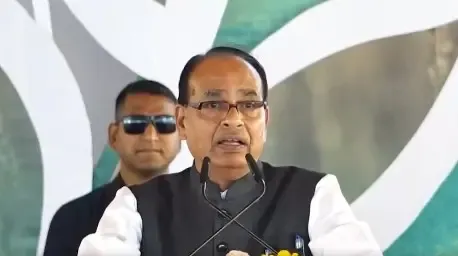
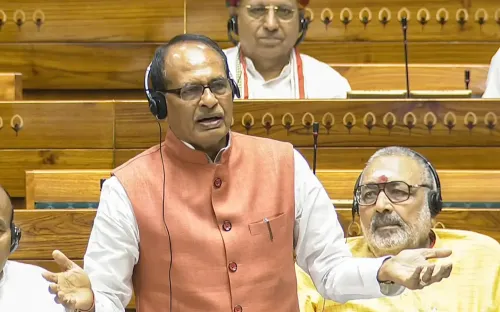
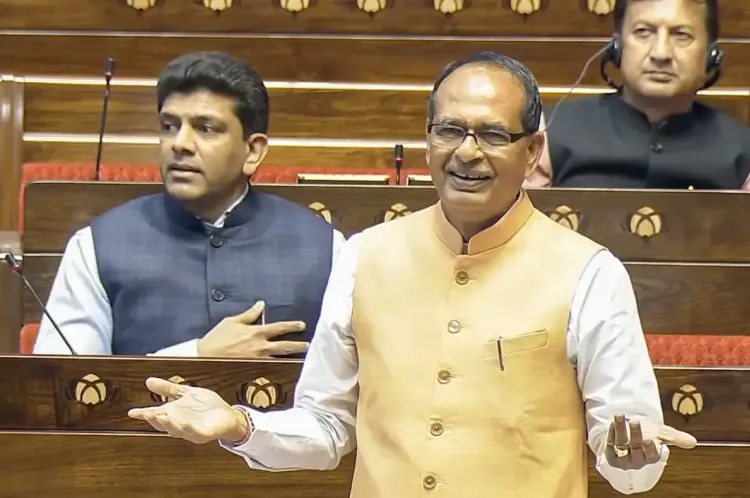
New Delhi, March 17 (NationPress) Union Agriculture Minister Shivraj Singh Chouhan addressed the Lok Sabha on Tuesday, highlighting that the government, under the leadership of Prime Minister Narendra Modi, has prioritized enhancing farmers’ income and securing their livelihoods. This commitment is being realized through various initiatives, such as promoting lucrative alternative crops instead of detrimental ones like tobacco, ensuring substantial procurement at the minimum support price (MSP), implementing transformative reforms in the crop insurance framework, and setting up a robust monitoring system.
Responding to inquiries from Members of Parliament, Chouhan noted that the government has encouraged farmers to transition away from tobacco production and has identified viable and profitable alternatives in tobacco-growing areas.
These alternatives encompass hybrid maize, chilli, sweet potato, cotton, potato, chia, feed beans, cowpea, ragi, red gram, sugarcane, soybean, sorghum, and groundnut, all aimed at ensuring farmers' financial stability.
The minister emphasized the reality that many farmers possess small landholdings, making reliance on a single crop precarious. In response, the government has developed various integrated farming models and has initiated demonstrations of these models in several states.
These approaches allow farmers to combine activities such as cultivating cereals (like wheat and paddy), growing vegetables and fruits, engaging in animal husbandry, aquaculture, beekeeping, goat farming, and agroforestry. By integrating these practices, farmers can achieve consistent and increased earnings year-round.
Chouhan further stated that to guarantee profitable prices for farmers’ produce, the MSP for all significant crops—including wheat, paddy, pulses, and oilseeds—has been raised, with historic procurement currently taking place this season.
He highlighted the government's arrangements for pulses such as tur, masoor, and urad, which allow farmers to register and sell any quantity, with the government committed to purchasing all of it. This initiative has significantly aided pulse farmers.
He noted that previously, under the Pradhan Mantri Fasal Bima Yojana, farmers often faced delays of several months to receive compensation. However, new amendments mandate that insurance companies provide compensation even if the loss affects just one farmer.
The minister pointed out that once yield data is available, if the insurance claim is not credited to the farmer’s account within 21 days, both the insurance firms and state governments are obligated to make the payment with an added 12 percent interest. This measure protects farmers from delays and alleviates their financial burden.
Chouhan emphasized that in alignment with PM Modi’s pledge of “I will not take bribes, nor allow others to take,” any irregularities in crop insurance or other programs will be dealt with sternly. He mentioned that complaints submitted through digital platforms like the Krishi Rakshak Portal are taken seriously, ensuring strict action against any identified discrepancies.
He also noted that in various states, particularly Rajasthan, substantial amounts under crop insurance have been directly transferred to farmers’ bank accounts via the Direct Benefit Transfer (DBT) system in recent years.
Point of View
These initiatives aim to address the challenges faced by farmers, particularly those with small landholdings. The emphasis on crop insurance reforms and alternative crops demonstrates a proactive approach to ensuring agricultural resilience.
NationPress
22 Sept 2026
Frequently Asked Questions
What initiatives is the government implementing to boost farmers' income?
The government is promoting profitable alternative crops, ensuring historic procurement at minimum support price (MSP), reforming the crop insurance scheme, and establishing a strong monitoring mechanism.
Why is reliance on a single crop risky for farmers?
Many farmers have small landholdings, making them vulnerable to market fluctuations. Diversifying crops through integrated farming models can help mitigate these risks.
What are some alternative crops being promoted?
Alternative crops include hybrid maize, chilli, sweet potato, cotton, potato, and various pulses, among others.
How does the Pradhan Mantri Fasal Bima Yojana support farmers?
The scheme has been amended to ensure that insurance claims are processed quickly, with payments made within 21 days, including interest if delayed.
What measures are in place to prevent corruption in crop insurance?
The government has committed to investigating complaints through digital platforms and ensuring strict action against any irregularities.