Govt official killed in Ramgarh over land dispute on Hul Diwas
Synopsis
A gazetted government officer was stoned to death in broad daylight in Jharkhand's Ramgarh district on a state holiday, allegedly over a long-running land dispute. The killing of Sub-Registrar Baleshwar Patel has rattled the state's administrative machinery and reignited alarm over the deadly consequences of unresolved land conflicts in the region.
Key Takeaways
Baleshwar Patel , Sub-Registrar of Giridih district , was killed on 30 June in Balsagara village , Ramgarh district , Jharkhand.
The attack allegedly occurred during a visit to disputed ancestral land on Hul Diwas , a Jharkhand state holiday.
Assailants allegedly attacked Patel with stones ; he succumbed to injuries before police arrived.
Mandu police have launched raids to identify and apprehend the accused; all angles are being probed.
The incident has raised serious concerns about law and order and recurring land disputes in Jharkhand.
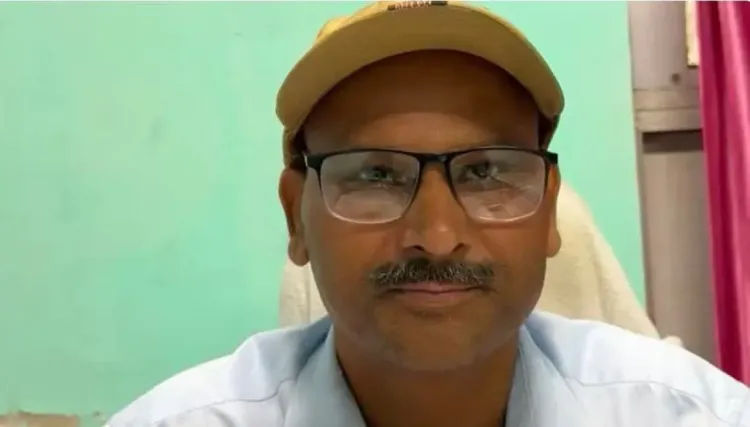
Baleshwar Patel, the Sub-Registrar of Giridih district in Jharkhand, was killed on Tuesday, 30 June in Balsagara village under the Mandu police station area of Ramgarh district, in what officials say was a violent attack linked to a land dispute. Patel had reportedly visited his ancestral village on Hul Diwas, a state holiday, when the fatal altercation occurred.
How the Attack Unfolded
According to preliminary accounts, Patel went to a piece of land that had been the subject of an ongoing dispute on Tuesday morning. An argument broke out between him and several individuals at the site. Eyewitness accounts suggest the confrontation rapidly escalated into physical violence, with the assailants allegedly attacking Patel with stones and inflicting serious injuries.
Local residents alerted the police, who rushed to Balsagara village, but Patel had already succumbed to his injuries by the time they arrived. The body was taken into custody and sent for a post-mortem examination.
Police Response and Investigation
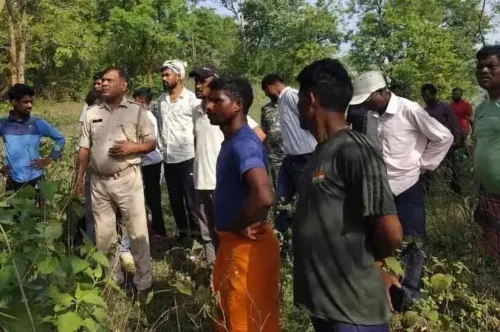
The Mandu police visited the crime scene shortly after the incident and began collecting evidence. Officers are questioning local residents to identify the suspects and reconstruct the sequence of events. Raids have been launched to apprehend those responsible, and Ramgarh police officials have expressed confidence that the case will be resolved soon.
Investigators say the murder appears to have been primarily driven by the land dispute, but officials have stated that all possible angles are being examined and that no final conclusion will be drawn until the probe is complete.
Shock Across Administration and Region
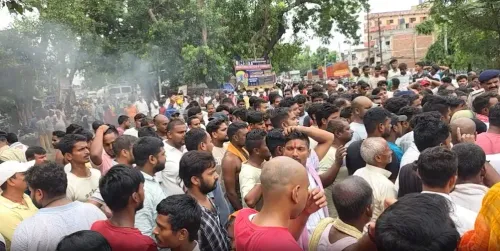
The killing of a gazetted officer in broad daylight has sent shockwaves through Jharkhand's administrative machinery. The incident has intensified concerns about law and order in the region, particularly given the frequency of land-related conflicts across several parts of the state.
Land disputes have historically been a persistent source of tension in Jharkhand, where questions of ownership, tribal land rights, and inheritance often intersect with deep-rooted local rivalries. This incident underscores the lethal potential of such disputes when they go unresolved.
What Happens Next
Police teams are expected to make arrests in the coming days as raids continue. The post-mortem report is likely to provide crucial forensic evidence. Senior district officials are monitoring the situation closely amid concerns that the incident could further inflame tensions in the area.
Point of View
Tribal ownership protections, and inheritance conflicts that the revenue administration has been unable to resolve at the ground level. That a district official could be killed in broad daylight on a state holiday, in his own ancestral village, points to a breakdown that goes beyond policing. Without systemic reform of land dispute resolution — including faster revenue courts and better protection for officials — such incidents will recur.
NationPress
29 Sept 2026
Frequently Asked Questions
Who was Baleshwar Patel and why was he in Ramgarh?
Baleshwar Patel was the Sub-Registrar of Giridih district in Jharkhand. He had reportedly travelled to Balsagara village in Ramgarh district to visit his ancestral home on Hul Diwas, a state holiday, when the fatal altercation took place.
What triggered the attack on Baleshwar Patel?
According to preliminary investigations, Patel visited a piece of land that had been the subject of an ongoing dispute on Tuesday morning. An argument with individuals at the site escalated into violence, and he was allegedly attacked with stones.
Have any arrests been made in the Ramgarh killing?
As of the latest reports, no arrests had been made. Ramgarh police have launched raids to identify and apprehend the accused, and officials have expressed confidence the case will be resolved soon.
What is Hul Diwas and why is it significant here?
Hul Diwas, observed on 30 June, is a public holiday in Jharkhand commemorating the Santhal Hul rebellion of 1855. Patel had come to his ancestral village on this holiday, which is why he was present in Ramgarh rather than at his official posting in Giridih.
Why are land disputes so common in Jharkhand?
Jharkhand faces persistent land conflicts due to overlapping ownership systems, tribal land rights protections, inheritance disputes, and slow resolution by revenue courts. Officials say land disputes remain one of the most frequent sources of violent conflict across several districts in the state.