Bhopal sealing drive: CM Mohan Yadav vows permanent fix for commercial-zone dispute
Synopsis
With the BMC sealing businesses across Bhopal's residential zones and the matter before the Supreme Court, CM Mohan Yadav's assurance of a 'permanent solution' signals political pressure is mounting — but without a finalised Master Plan, traders remain in regulatory limbo.
Key Takeaways
CM Mohan Yadav on 4 September pledged a permanent resolution to Bhopal's commercial-zone sealing dispute.
The Bhopal Municipal Corporation (BMC) has been sealing establishments allegedly violating land-use norms in residential areas.
The matter is currently pending before the Supreme Court , where the state government has committed to representing traders' interests.
The dispute is rooted in the long-pending Master Plan of Bhopal , leaving land-use rules unresolved for years.
Many affected traders have operated from the disputed premises for several years , raising livelihood concerns.
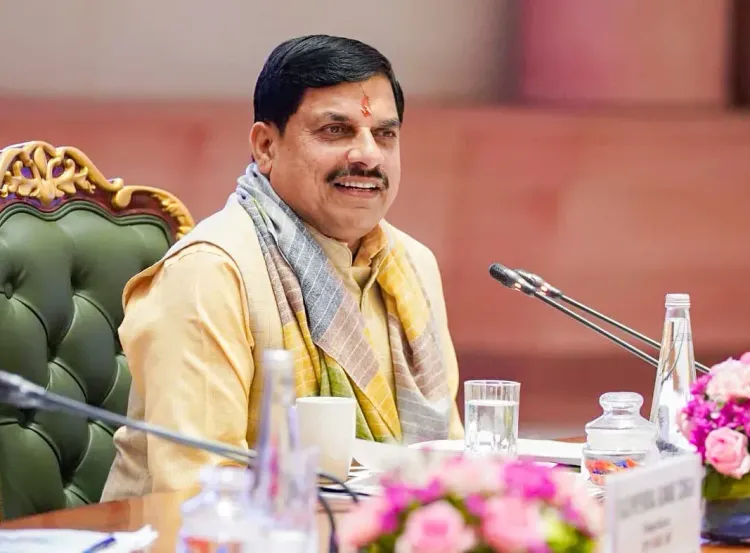
Madhya Pradesh Chief Minister Mohan Yadav on Friday, 4 September assured traders and residents of Bhopal that the state government was pursuing every available avenue to reach a lasting resolution to the long-running dispute over commercial establishments operating in residential zones. The remarks came as the Bhopal Municipal Corporation (BMC) continued its sealing drive against businesses allegedly flouting land-use norms.
What the Chief Minister Said
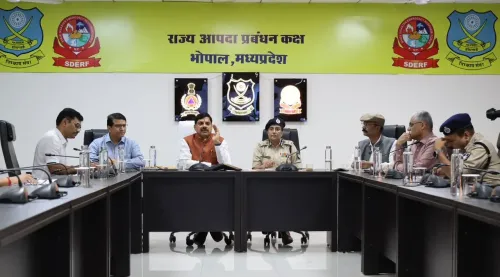
Chief Minister Yadav emphasised that his government was treating the matter, which is currently pending before the Supreme Court, with full seriousness. 'Amid festivals and celebrations, we remain fully alert and committed to all our responsibilities. We are placing all the difficulties and issues related to Bhopal before the Supreme Court with full seriousness,' he said.
He added: 'Under the prevailing circumstances, we will seriously consider all aspects while keeping in mind the interests of traders and local residents. Our side will also be presented strongly before the Supreme Court.'
The Sealing Drive and Its Impact
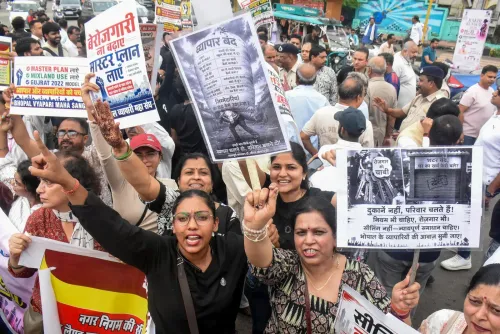
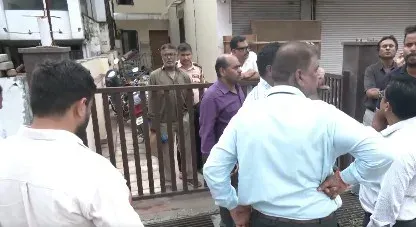
The BMC has been sealing commercial establishments that are reportedly operating in residential areas in violation of applicable land-use regulations. The action has directly affected traders and business owners, many of whom have been running operations from the affected premises for several years, raising acute concerns over livelihoods.
Traders have long sought a resolution, but the issue has remained unresolved largely due to the pending Master Plan of Bhopal, which governs permissible land use across the city. The absence of a finalised Master Plan has left a regulatory grey zone that both authorities and traders have struggled to navigate.
The Supreme Court Angle
The dispute has escalated to the Supreme Court, where various aspects of commercial activity in residential areas are under judicial consideration. The state government has committed to presenting the interests of affected traders and local residents before the apex court, framing its legal position as one that balances enforcement with livelihood protection.
This is not the first time a land-use conflict in a major Madhya Pradesh city has reached the highest court — similar zoning disputes in other urban centres have historically dragged on for years before resolution, underscoring the structural complexity of urban planning enforcement in India.
What Happens Next
The state government has said it will make every possible effort to find a 'permanent and better solution' to what it acknowledges is a long-standing problem. The outcome will hinge significantly on the Supreme Court's direction and the eventual finalisation of Bhopal's Master Plan. Until then, traders remain in a state of uncertainty, and the sealing drive is expected to continue under existing court oversight.
Point of View
But courts rarely substitute for urban planning decisions that state governments have deferred for years. The real question is whether Madhya Pradesh will use this moment to fast-track the Master Plan or continue managing trader grievances one sealing drive at a time. Without the plan, any 'permanent solution' the government promises risks being the next temporary patch.
NationPress
4 Sept 2026
Frequently Asked Questions
Why is the BMC sealing commercial establishments in Bhopal?
The Bhopal Municipal Corporation is sealing businesses that are allegedly operating in residential areas in violation of land-use norms. The enforcement action is linked to regulations that restrict commercial activity in zones designated for residential use.
What is the role of the Supreme Court in the Bhopal sealing dispute?
The Supreme Court is currently hearing various aspects of the dispute over commercial activities in residential areas of Bhopal. The Madhya Pradesh government has committed to presenting the concerns of affected traders and residents before the apex court.
Why has the Bhopal land-use issue remained unresolved for so long?
The dispute has persisted largely because Bhopal's Master Plan — which defines permissible land use across the city — has remained pending for years. The absence of a finalised plan has created a regulatory grey zone that neither traders nor authorities have been able to definitively resolve.
What has CM Mohan Yadav promised to traders affected by the sealing drive?
Chief Minister Mohan Yadav has assured that the state government will make every possible effort to find a permanent and better solution, while balancing the interests of both traders and local residents. He also pledged to strongly present the state's case before the Supreme Court.
Who is affected by the Bhopal sealing drive?
Traders and business owners operating commercial establishments in residential areas of Bhopal are directly affected. Many of them have reportedly been running businesses from the disputed premises for several years and face livelihood concerns as a result of the ongoing sealing action.