Piyush Goyal pays tribute to Mahatma Jyotiba Phule
Synopsis
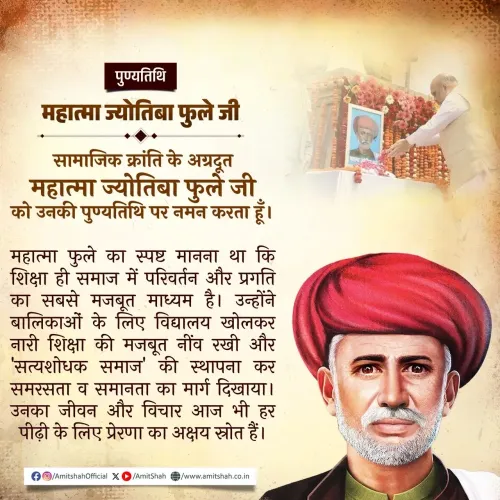
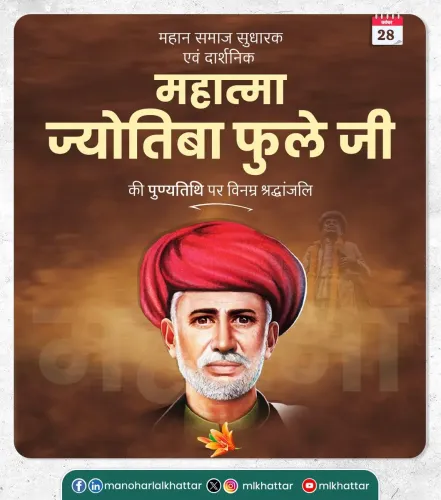
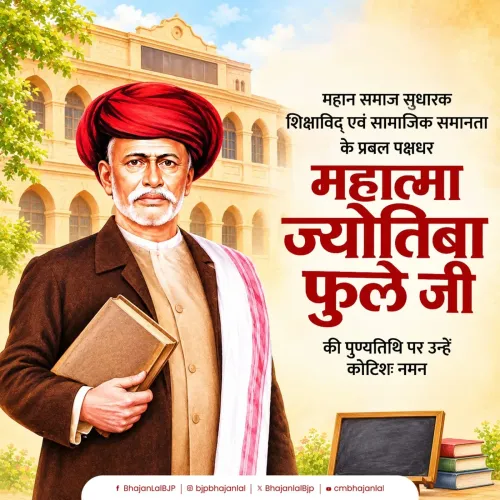
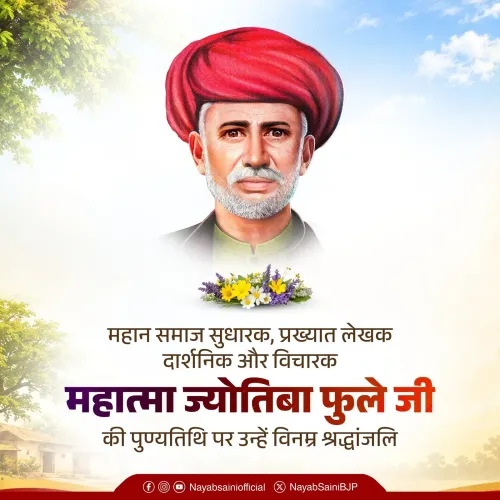
Union Commerce and Industry Minister Piyush Goyal on Saturday paid tribute to Mahatma Jyotiba Phule on the social reformer's death anniversary, praising a lifetime spent for women's education and empowerment. Phule, founder of the Satyashodhak Samaj, remains a central figure in India's memory of 19th-century social reform in Maharashtra.
Key Takeaways
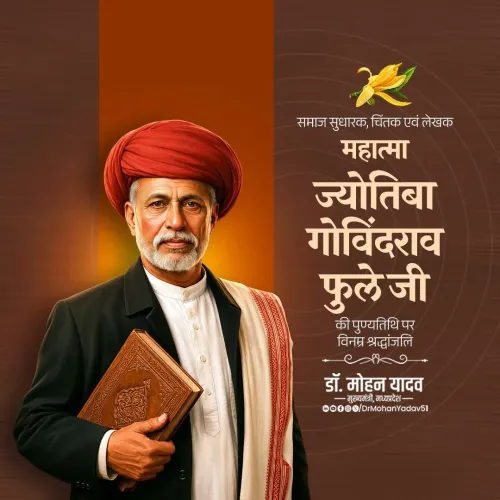
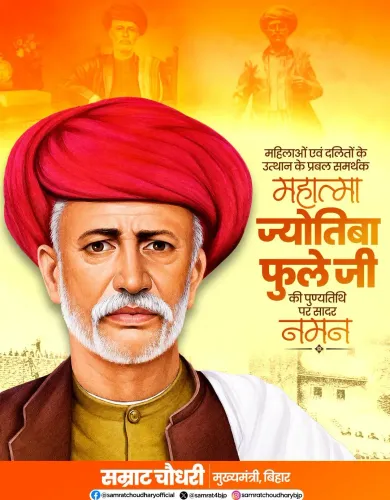
Union Commerce and Industry Minister Piyush Goyal paid tribute to Mahatma Jyotiba Phule on his death anniversary.
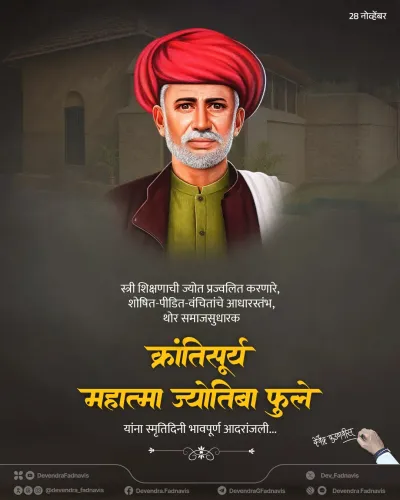
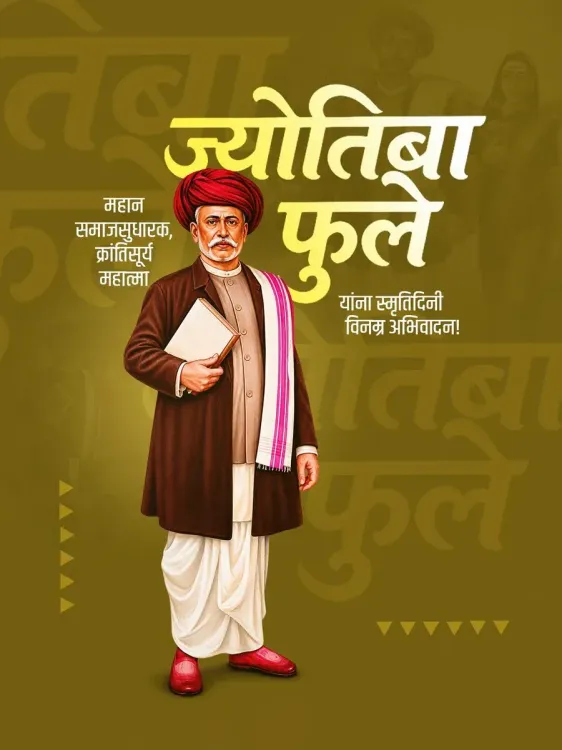
Goyal, writing in Marathi, called Phule Krantisurya and a great social reformer who spent his life for women's education and empowerment.
The message marked 28 November, observed as Phule's smriti din.
Phule founded the Satyashodhak Samaj and campaigned against caste discrimination in 19th-century Maharashtra.
With Savitribai Phule, he helped open formal schooling to women in Pune.
Union ministers have issued annual tributes to Phule on 28 November.
Union Commerce and Industry Minister Piyush Goyal on Saturday offered a humble tribute to Mahatma Jyotiba Phule on the social reformer's death anniversary, remembering a life given wholly to women's education and empowerment. The salute, issued in Marathi, named Phule as Krantisurya, the sun of revolution, and placed a Cabinet minister beside a 19th-century struggle that began in Maharashtra's classrooms.
Goyal wrote that he was offering vinamra abhivadan (humble salutations) to the great social reformer who spent his entire life striving for women's education and empowerment. In English, the message reads: 'Humble salutations on his death anniversary to the great social reformer, Krantisurya Mahatma Jyotiba Phule, who dedicated his entire life to women's education and empowerment.'
Pune's schoolhouse rebel and the Satyashodhak Samaj
Jyotiba Phule was a 19th-century Maharashtrian social reformer who fought caste discrimination and insisted that girls had a right to learn. Together with Savitribai Phule, he helped open formal schooling to women in Pune at a time when that door was shut. He later founded the Satyashodhak Samaj, a society built to challenge ritual hierarchy and to organise those kept out of knowledge and dignity.
That is the record the minister was pointing to: not only a ceremonial name, but a campaigner whose work on stri shikshan, women's education, still sits inside every argument about who gets a desk in an Indian classroom.
28 November on the Union ministerial calendar
Union ministers from the Bharatiya Janata Party have issued annual tributes to Phule on 28 November, his death anniversary. Those statements sit inside a wider official recognition of 19th-century reformers associated with education and social equality movements in western India.
Goyal, who is also Leader of the House in the Rajya Sabha, did not announce a scheme. He marked a date Maharashtra still treats as public memory, and one that education programmes in the state continue to invoke.
The homage is simple. The unfinished work it points to, a girl in school and a caste barrier lowered, is not.
Point of View
Placing a 19th-century anti-caste education campaigner inside contemporary messaging on women's empowerment. Goyal's Marathi note does not launch a programme; it aligns a senior Cabinet voice with a reformer Maharashtra's politics still contests to own. The deeper arc is the contest over who inherits Phule, whether through education policy, social justice, or cultural memory. Watch whether the homage is followed by any Maharashtra-facing education reference after 28 November.
NationPress
28 Nov 2026
Frequently Asked Questions
When is Mahatma Jyotiba Phule's death anniversary?
Mahatma Jyotiba Phule's death anniversary is observed on 28 November. Union ministers, including Piyush Goyal, issue tributes on this date each year.
Who was Mahatma Jyotiba Phule?
Mahatma Jyotiba Phule was a 19th-century social reformer from Maharashtra who worked for women's education and against caste discrimination. He founded the Satyashodhak Samaj and is widely honoured as Krantisurya.
What did Piyush Goyal say about Jyotiba Phule?
Piyush Goyal offered humble salutations to Phule on his death anniversary. He described him as a great social reformer who spent his entire life striving for women's education and empowerment.
What is Satyashodhak Samaj?
Satyashodhak Samaj was a social reform society founded by Jyotiba Phule in Maharashtra. It organised people against caste privilege and promoted education and equality.
Why is Jyotiba Phule called Krantisurya?
Phule is called Krantisurya, or sun of revolution, for his campaign against caste hierarchy and for opening education to women and oppressed communities. Union Minister Piyush Goyal used that honorific in his tribute.