Goyal, Kumaraswamy Hold Steel Sector Stakeholder Meet
Synopsis
Union Ministers Piyush Goyal and H.D. Kumaraswamy on 7 July 2026 held a joint stakeholder consultation with leaders from India's steel, stainless steel, and metcoke industries, reaffirming the government's commitment to sector competitiveness and self-reliant manufacturing under the Atmanirbhar Bharat framework.
Key Takeaways
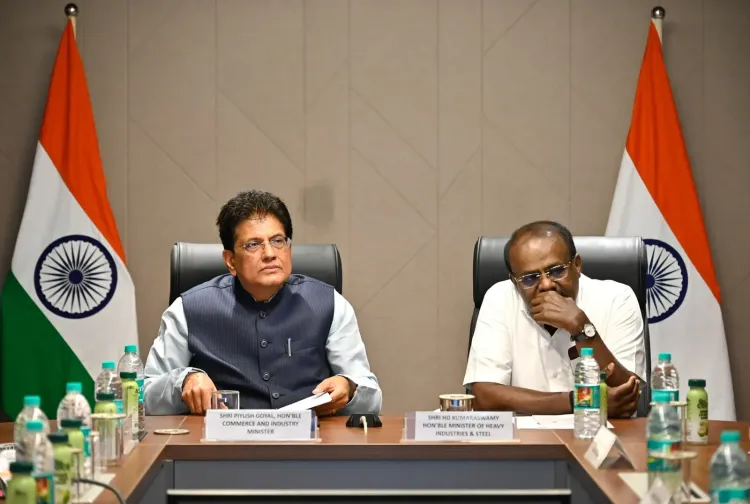
Union Commerce Minister Piyush Goyal and Heavy Industries Minister H.D.
Kumaraswamy jointly chaired the stakeholder meeting on 7 July 2026 .
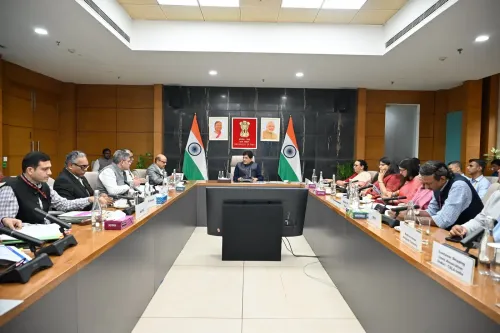
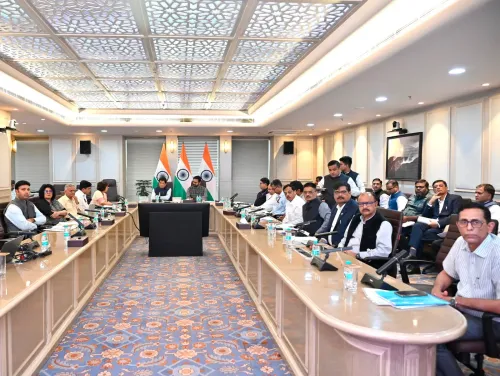
Key industry leaders from the steel, stainless steel, and metcoke sectors participated in the consultation.
The discussion focused on strengthening sector competitiveness and unlocking new growth opportunities.
The government reaffirmed its commitment to the Atmanirbhar Bharat vision of building a self-reliant India through close industry collaboration.
The National Steel Policy 2017 targets crude steel capacity of 300 million tonnes by 2030 , providing the long-term backdrop for the meeting.
Follow-up policy measures may emerge in the forthcoming Union Budget or heavy industries review processes.
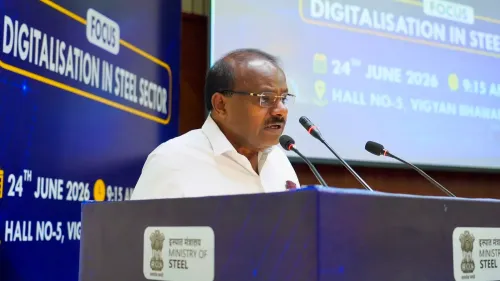
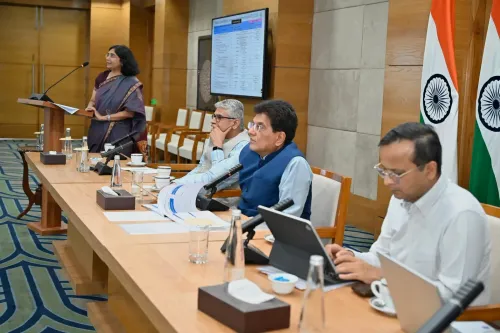
Union Commerce and Industry Minister Piyush Goyal on Tuesday, 7 July 2026, co-chaired a stakeholder consultation meeting with Minister of Heavy Industries and Steel H.D. Kumaraswamy, bringing together key leaders from the steel, stainless steel, and metcoke industries to discuss sector competitiveness and growth.
Context
The meeting was convened to engage industry stakeholders in a structured dialogue on strengthening the competitiveness of India's steel and allied sectors. Minister Goyal described the consultation as 'highly productive,' noting that discussions centred on 'unlocking new growth opportunities' across steel, stainless steel, and metcoke. The joint presence of the Commerce and Heavy Industries ministries signals a coordinated approach to sector-level policy challenges.
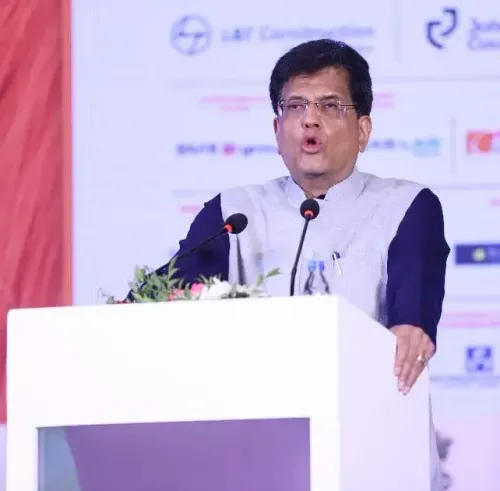
Goyal reiterated that the Modi Government remains 'fully committed to fostering close collaboration with industry, supporting its aspirations and driving robust growth across these critical sectors to build a stronger, more self-reliant India.'
Policy Backdrop
The consultation fits within a long-standing framework of government-industry engagement anchored in the National Steel Policy 2017, which set a target of raising India's crude steel capacity to 300 million tonnes by 2030. The policy placed competitiveness and domestic value addition at its core, objectives that remain central to the current administration's agenda.
A Production Linked Incentive (PLI) scheme for specialty steel, notified in 2021, further reinforced the government's commitment to attracting investment and reducing import dependence in high-value steel segments. These measures sit under the broader Atmanirbhar Bharat initiative, launched in 2020, which seeks to strengthen domestic production across critical manufacturing sectors.
Steel is a foundational input for India's infrastructure expansion, making the sector's health directly relevant to national construction, railways, and defence manufacturing pipelines.
Stakeholders and Impact
The consultation brought together leaders from the steel, stainless steel, and metcoke industries — three interlocking segments where cost pressures, raw material linkages, and export competitiveness have been persistent concerns. Metcoke, a key input in blast furnace steelmaking, has faced supply-chain volatility, making its inclusion in the dialogue notable.
Such structured engagements have historically been used by successive administrations to align private sector capacity addition with national production and employment targets. Industry participants typically use these forums to flag regulatory friction, input cost burdens, and infrastructure bottlenecks that affect their global competitiveness.
What's Next
The outcome of the 7 July 2026 consultation is expected to feed into ongoing policy deliberations, with possible follow-up measures anticipated in the context of the forthcoming Union Budget or heavy industries review meetings. The dual-ministerial format of the meeting suggests that any resulting policy action could span both trade facilitation and industrial incentive frameworks.
As India pushes to deepen its manufacturing base and reduce dependence on imported steel products, structured dialogue between the government and core industry players will remain a critical instrument for calibrating policy to ground-level realities.
Point of View
The government signals a whole-of-cabinet approach to the steel sector's structural challenges. This comes at a moment when India's infrastructure pipeline is placing unprecedented demand on domestic steel supply, making cost competitiveness and raw material security politically as well as economically significant. The inclusion of metcoke in the dialogue is a telling detail, pointing to upstream supply-chain anxieties that could constrain downstream capacity addition. The meeting also fits a pre-Budget pattern of structured outreach that often precedes targeted incentive announcements or duty adjustments in core manufacturing sectors.
NationPress
6 Oct 2026
Frequently Asked Questions
Why did Piyush Goyal meet steel industry leaders on 7 July 2026?
Union Commerce Minister Piyush Goyal, alongside Heavy Industries Minister H.D. Kumaraswamy, held a stakeholder consultation on 7 July 2026 to discuss strengthening the competitiveness of India's steel, stainless steel, and metcoke sectors and to identify new growth opportunities.
What is India's National Steel Policy target for 2030?
The National Steel Policy 2017 set a target of raising India's crude steel capacity to 300 million tonnes by 2030, with a focus on domestic competitiveness and value addition.
What is the PLI scheme for specialty steel?
The Production Linked Incentive scheme for specialty steel, notified in 2021, is a central government programme designed to attract investment into high-value steel segments and promote domestic manufacturing, reducing India's dependence on imports.
What is Atmanirbhar Bharat and how does it relate to the steel sector?
Atmanirbhar Bharat, launched in 2020, is the Modi Government's self-reliance initiative aimed at boosting domestic production across critical sectors. Steel is a key pillar of this vision given its role in infrastructure, defence, and manufacturing value chains.
What outcomes are expected from the July 2026 steel stakeholder meeting?
No specific commitments have been publicly confirmed from the meeting. However, such consultations typically inform forthcoming Union Budget proposals or heavy industries review decisions, and follow-up policy measures on incentives or raw material linkages are being watched.