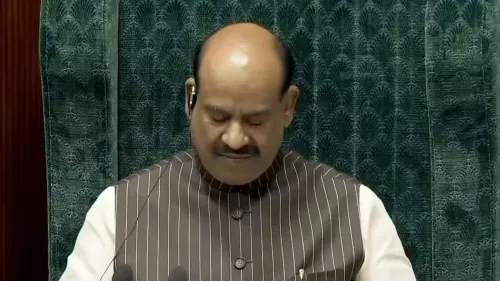
Goyal: Lok Sabha passes exam anti-cheating amendment bill

Synopsis
The Lok Sabha passed the Public Examinations (Prevention of Unfair Means) Amendment Bill, 2026 on 29 July, strengthening India's 2024 anti-cheating law with tougher penalties to protect students in high-stakes public examinations such as NEET and JEE.
Key Takeaways
The Lok Sabha passed the Public Examinations (Prevention of Unfair Means) Amendment Bill, 2026 on 29 July 2026 .
The bill amends the original Public Examinations (Prevention of Unfair Means) Act, 2024 , which was enacted in February 2024 following multiple paper leak scandals.
The amendment introduces enhanced penalties and stronger enforcement provisions against exam fraud and malpractice.
The bill targets offenders who compromise the integrity of exams such as NEET , JEE , and central and state recruitment tests.
The bill must now pass the Rajya Sabha before enforcement rules are notified by the Union Education Ministry .
Minister Piyush Goyal pledged the government will 'pursue every offender relentlessly until justice is served.'
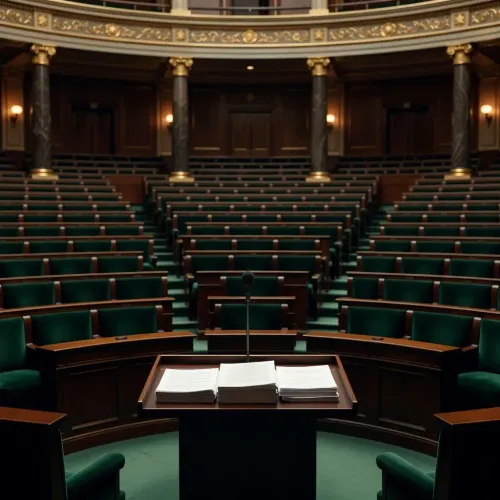
India's student community got a legislative shield on Wednesday, 29 July 2026, as the Lok Sabha passed the Public Examinations (Prevention of Unfair Means) Amendment Bill, 2026 — a law designed to make cheating in public exams a far costlier gamble for those who exploit aspirants' years of hard work.
Union Commerce and Industry Minister Piyush Goyal, posting on X, framed the passage in direct terms: 'The singular purpose is to protect your hard work, your dreams, and your right to a fair chance.' He added that 'anyone who attempts to compromise the integrity of public examinations will face the strictest consequences the law allows' and pledged to 'pursue every offender relentlessly until justice is served.'
Building on the 2024 foundation
The 2026 amendment is not India's first attempt to legislate its way out of the exam-malpractice crisis. Parliament enacted the Public Examinations (Prevention of Unfair Means) Act in February 2024, itself a direct response to a wave of paper leak scandals that had rocked high-stakes tests including NEET and JEE, as well as several state-level recruitment examinations. That original law signalled that the Modi government was willing to treat exam fraud as a serious criminal matter rather than an administrative inconvenience. The 2026 amendment, according to the government, extends that framework with enhanced penalties and stronger enforcement provisions — tightening the screws on a problem that has repeatedly cost lakhs of aspirants months or years of preparation.What the bill means for exam aspirants
For the millions of students who sit public examinations each year — from central recruitment boards to national entrance tests — the stakes are existential. A single leaked question paper can invalidate an exam, trigger re-tests, and delay careers by a year or more. The 2024 law established criminal liability for paper leaks and impersonation; the 2026 amendment is intended to close loopholes and raise the deterrent ceiling further. Goyal's message was pointed: the government sees this not as a bureaucratic exercise but as a promise to the student community that the system will not be gamed at their expense. The bill now moves to the Rajya Sabha, where passage will complete the legislative journey before the Union Education Ministry notifies the rules and enforcement mechanisms that give the law its operational teeth. Whether the deterrent effect actually holds will depend on how rigorously those mechanisms are applied — and how quickly authorities move against the first offenders tested under the new provisions. For every aspirant who has ever lost sleep over whether the exam they are preparing for will even be fair, Parliament has sent a message: the law is watching, and it is getting sharper.Point of View
Not a ceiling. Politically, the bill allows the BJP to sustain its narrative of being the party that stands with India's vast aspirant class, a demographic that has shown it can translate exam-related anger into electoral consequences. The real test, however, is enforcement: strong laws against paper leaks already existed in several states before 2024 without preventing recurrence, so the amendment's impact will hinge on whether prosecution machinery is genuinely upgraded. Goyal's unusually direct, student-addressed language also suggests the government is conscious that credibility on this issue must be earned through action, not just legislation.
NationPress
29 Jul 2026
Frequently Asked Questions
What is the Public Examinations (Prevention of Unfair Means) Amendment Bill 2026?
It is a bill passed by the Lok Sabha on 29 July 2026 that amends the 2024 anti-cheating law to introduce tougher penalties and stronger enforcement against malpractice in public examinations such as NEET and JEE.
What was the original Public Examinations (Prevention of Unfair Means) Act 2024?
Parliament enacted the original Act in February 2024 to criminalise paper leaks, impersonation, and other malpractices in public exams, following a series of high-profile cheating scandals across India.
Has the exam anti-cheating bill become law yet?
Not yet. After passing the Lok Sabha on 29 July 2026, the bill must be passed by the Rajya Sabha and then receive Presidential assent before it becomes law.
Which exams does the anti-cheating law cover?
The law covers public examinations conducted by central bodies, including competitive tests like NEET and JEE, as well as central government recruitment examinations.
What punishment will cheaters face under the new bill?
The bill enhances the penalties already established under the 2024 Act, but the specific quantum of punishment in the 2026 amendment will be detailed in the rules notified by the Union Education Ministry after the bill clears Parliament.