Goyal Marks Surgical Strike Anniversary, Calls It India's Decisive Answer to Terror
Synopsis
On the 10th anniversary of India's surgical strikes, Commerce Minister Piyush Goyal invoked the 2016 cross-LoC operation in a Mann Ki Baat-linked post, framing it as India's decisive break from years of restraint in the face of cross-border terrorism following the Uri attack.
Key Takeaways
Piyush Goyal posted on 27 September 2026 — the tenth anniversary of India's surgical strikes — linking the commemoration to Mann Ki Baat .
The 2016 surgical strikes were conducted on the night of 28–29 September 2016 , targeting terrorist launchpads across the Line of Control in Pakistan-administered Kashmir.
The strikes were India's direct military response to the Uri attack of 18 September 2016 , in which 19 Indian Army soldiers were killed.
Goyal described the operation as India's 'decisive response' to the 'long-endured pain' caused by terrorist attacks — language consistent with BJP's framing of a post-2014 shift to proactive counter-terrorism.
References to the surgical strikes remain a key pillar of BJP's national security narrative, frequently surfacing in Mann Ki Baat episodes and party communications.
Ten years after Indian Army commandos crossed the Line of Control in the dead of night, Union Commerce and Industry Minister Piyush Goyal invoked that operation on Sunday, 27 September 2026 — the surgical strike's anniversary — calling it India's 'decisive response' to decades of pain inflicted by terrorist attacks.
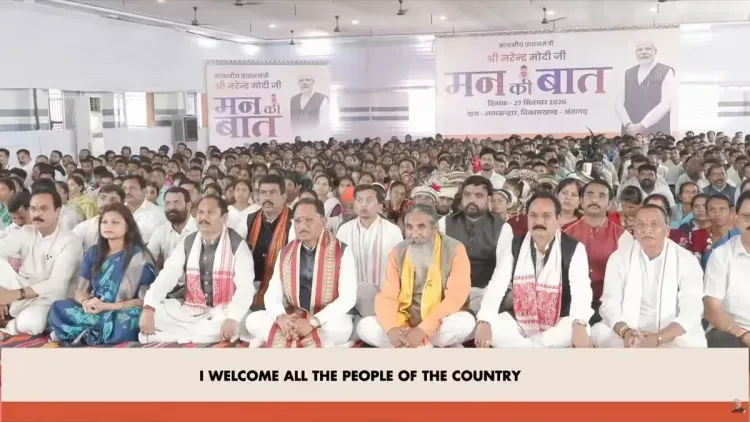
Posting on X with the hashtag #MannKiBaat, Goyal wrote: 'The pain India endured for a long time due to terrorist attacks — the Surgical Strike was our decisive response against that suffering.' The reference ties the anniversary commemoration directly to Prime Minister Narendra Modi's monthly radio address, where national security milestones are routinely underscored.
What the 2016 Strikes Actually Were
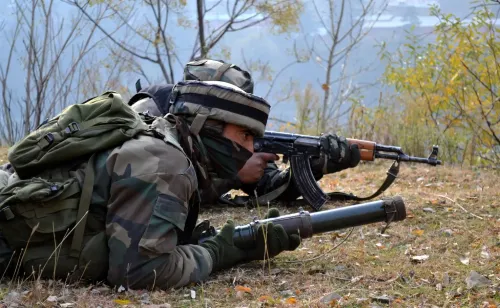
On the night of 28–29 September 2016, Indian Army Special Forces conducted cross-LoC operations targeting terrorist launchpads in Pakistan-administered Kashmir. The strikes came eleven days after the Uri attack — a 18 September 2016 assault on an Indian Army brigade headquarters in Uri, Jammu and Kashmir, in which 19 soldiers were killed. It was one of the deadliest attacks on Indian security forces in Kashmir in years, and the public and political pressure for a firm response was immediate. The surgical strikes represented a significant doctrinal shift: rather than absorbing cross-border provocations and relying solely on diplomatic channels, India signalled a willingness to act kinetically across the LoC. Defence analysts described it at the time as a deliberate message — that the cost calculus for sponsoring or sheltering terror infrastructure had changed.Why the Anniversary Resonates in BJP's Political Language
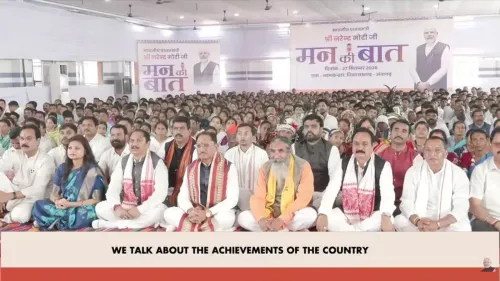
References to the surgical strikes have become a durable marker in BJP communications — a shorthand for the argument that the post-2014 dispensation replaced strategic restraint with strategic resolve. Goyal's framing — 'long-endured pain' answered by a 'decisive response' — tracks precisely with that narrative arc: a nation that suffered quietly for years, and a government that finally acted. The Mann Ki Baat connection matters here. Modi's monthly address has, over successive episodes, highlighted security milestones, martyrs, and institutional achievements of the armed forces. Tying this anniversary to that platform amplifies its reach beyond political circles into a broader public conversation.The Tenth Anniversary as a Marker
The tenth anniversary of the surgical strikes carries weight beyond the symbolic. A decade on, the operation remains a live reference point in debates about India's counter-terrorism doctrine, its willingness to act pre-emptively, and the evolution of the India-Pakistan security dynamic along the LoC. Goyal's post — brief, pointed, deliberately un-elaborated — counts on that weight to do the work. For the families of the 19 Uri martyrs and the soldiers who carried out the strikes, today is a day of remembrance as much as commemoration. The minister's words place their sacrifice at the centre of the story — which is exactly where it belongs.Point of View
Broadening the commemorative frame beyond party politics. A decade of surgical strike anniversaries has cemented the operation as a cornerstone of the ruling party's strategic-resolve narrative — and Goyal's role as a senior economic minister posting on a security theme underlines how cross-cutting that narrative has become within BJP leadership communications.
NationPress
27 Sept 2026
Frequently Asked Questions
What were India's 2016 surgical strikes?
India's surgical strikes were cross-Line of Control military operations conducted by Indian Army Special Forces on the night of 28–29 September 2016, targeting terrorist launchpads in Pakistan-administered Kashmir. They were launched in response to the Uri attack eleven days earlier.
What was the Uri attack that triggered the surgical strikes?
The Uri attack took place on 18 September 2016, when terrorists assaulted an Indian Army brigade headquarters in Uri, Jammu and Kashmir, killing 19 soldiers. It was one of the deadliest attacks on Indian forces in the region in years and prompted the surgical strike response.
Why did Piyush Goyal post about the surgical strikes on 27 September 2026?
27 September 2026 marks the tenth anniversary of the Indian Army's surgical strikes across the LoC. Goyal's post, tied to the Mann Ki Baat hashtag, was a commemoration of that milestone, framing the operation as India's decisive answer to long-endured cross-border terrorism.
What is Mann Ki Baat and why is it linked to this post?
Mann Ki Baat is Prime Minister Narendra Modi's monthly radio address to the nation, which regularly covers national security, martyrs, and institutional achievements of the armed forces. The hashtag in Goyal's post connects the surgical strike anniversary to that broader public outreach platform.
How many Indian soldiers were killed in the Uri attack?
Nineteen Indian Army soldiers were killed in the Uri attack on 18 September 2016 — the event that directly led India to carry out the surgical strikes across the Line of Control eleven days later.