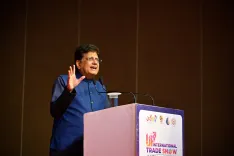
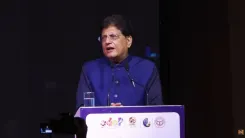
CM Samrat Choudhary marks 10 years of India's surgical strikes
Synopsis
On the eve of the 10th anniversary of India's 2016 cross-LoC surgical strikes, Bihar CM Samrat Choudhary invoked PM Modi's 'zero tolerance on terrorism' message, framing the operation as a defining shift in India's national-security doctrine.
Key Takeaways
Bihar CM Samrat Choudhary posted on 27 September 2026 marking the upcoming 10th anniversary of the 2016 surgical strikes .
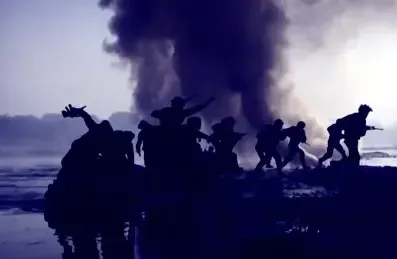
The Indian Army crossed the Line of Control on the night of 28-29 September 2016 to strike terrorist launch pads in Pakistan-occupied territory.
The strikes were a direct response to the Uri attack on 18 September 2016 , which killed 19 Indian soldiers .
The 2016 operation established a precedent followed by the 2019 Balakot airstrike , deepening India's cross-border counter-terrorism doctrine.
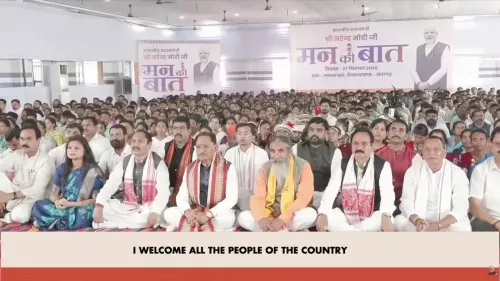
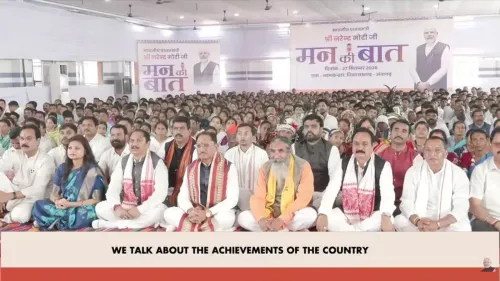
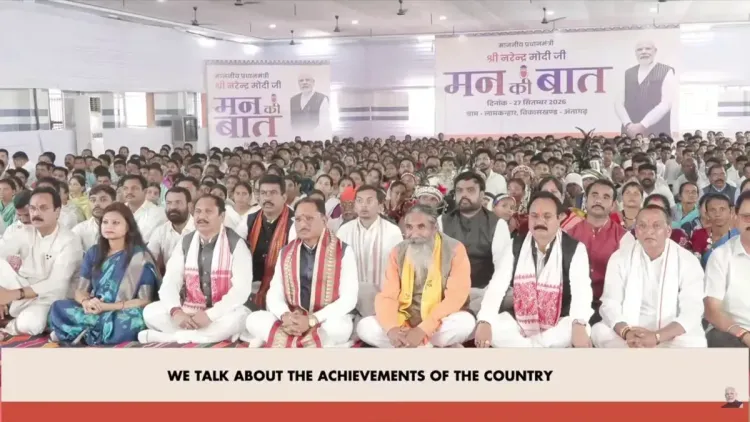
Choudhary's post quoted PM Narendra Modi's Mann Ki Baat address, underlining the 'zero tolerance' policy as the 'resolve of new India'.
BJP state leaders are expected to amplify the anniversary message on 28-29 September 2026 .
Ten years after Indian Army commandos crossed the Line of Control in the dead of night, Bihar Chief Minister Samrat Choudhary marked the upcoming anniversary of the 2016 surgical strikes on Sunday, 27 September 2026, invoking Prime Minister Narendra Modi's call for zero tolerance on terrorism and framing the operation as a watershed in India's national-security doctrine.
Choudhary's post, shared ahead of the 28-29 September anniversary, quoted PM Modi's words from Mann Ki Baat — the Prime Minister's monthly radio address — and described the strike as a decisive message to the world: 'Aatankvaad ke khilaf zero tolerance, yahi naye Bharat ka sankalp hai' ('Zero tolerance against terrorism — this is the resolve of the new India').
What the Indian Army did on the night of 28-29 September 2016
In the hours straddling 28 and 29 September 2016, Indian Army special forces crossed the Line of Control — the de facto border in Jammu and Kashmir — and struck multiple terrorist launch pads in Pakistan-occupied territory. The operation was presented by the government as a direct, calibrated response to the Uri attack of 18 September 2016, in which militants killed 19 Indian soldiers at an army camp in north Kashmir.
The strikes were the first time India publicly acknowledged and announced a cross-LoC ground operation of this kind, marking a deliberate departure from years of strategic restraint. The government said the action dismantled terrorist infrastructure being used to plan further attacks inside India.
From Uri to Balakot: a doctrine takes shape
The 2016 operation set a template. When a suicide bomber killed 40 CRPF personnel in Pulwama in February 2019, India responded within days with the Balakot airstrike — this time by the Indian Air Force, deeper inside Pakistani territory. Taken together, both actions are cited by the central government as evidence of a new willingness to carry counter-terrorism operations beyond Indian borders, rather than absorbing attacks and relying solely on diplomatic pressure.
The policy framing — zero tolerance, proactive deterrence, 'new India' resolve — has been a consistent theme in BJP-led government communication since 2014, and anniversaries of the surgical strike routinely serve as anchoring moments for that narrative.
Why the tenth anniversary carries extra weight
A decade is a natural inflection point, and official commemoration of the surgical strikes has grown more elaborate with each passing year. The Mann Ki Baat reference in Choudhary's post signals that the Prime Minister has also addressed the milestone in his public communication, giving state-level leaders a cue to amplify the message. Expect similar posts from BJP chief ministers and party functionaries across the country through 28-29 September 2026.
For the families of soldiers who carried out that night raid, and for those who lost loved ones at Uri, the anniversary is not political theatre — it is a lived marker. That human dimension is what gives the annual commemoration its emotional staying power beyond party messaging.
India crossed the LoC once in 2016 and returned with a changed strategic calculus. Ten years on, the question is not whether the precedent holds — it demonstrably does — but how future governments will choose to deploy it.
Point of View
Used to consolidate the party's 'strong on security' identity ahead of electoral cycles. Samrat Choudhary's post, amplifying the PM's own Mann Ki Baat framing, reflects a coordinated state-level effort to keep the 2016 operation alive in public memory as proof of doctrinal shift. The invocation of 'new India' language is deliberate — it positions post-2014 India as categorically different from what came before. Analysts tracking India-Pakistan relations will note that such anniversary messaging also serves as a deterrence signal, reminding Islamabad that New Delhi retains both the will and the precedent to act.
NationPress
27 Sept 2026
Frequently Asked Questions
What was the 2016 surgical strike?
On the night of 28-29 September 2016, Indian Army special forces crossed the Line of Control and destroyed terrorist launch pads in Pakistan-occupied territory, in direct response to the Uri attack that killed 19 Indian soldiers on 18 September 2016.
Why did India carry out the surgical strike?
The surgical strike was launched in retaliation for the Uri attack of 18 September 2016, in which militants stormed an Indian Army brigade headquarters in Jammu and Kashmir, killing 19 soldiers.
What is Mann Ki Baat?
Mann Ki Baat is Prime Minister Narendra Modi's monthly radio programme, broadcast since October 2014, through which he addresses citizens on national issues including security policy and important anniversaries.
How does the 2016 surgical strike relate to the 2019 Balakot airstrike?
The 2019 Balakot airstrike, carried out by the Indian Air Force after the Pulwama attack, built on the precedent of cross-border military action established by the 2016 surgical strike, and is seen as a deepening of India's proactive counter-terrorism doctrine.
What did Bihar CM Samrat Choudhary post about the surgical strikes?
On 27 September 2026, Samrat Choudhary posted a tribute on X marking the approaching 10th anniversary of the strikes, quoting PM Modi's 'zero tolerance against terrorism' message from Mann Ki Baat and calling it the resolve of new India.