Pradhan Marks Surgical Strike Day, Hails India's Zero Tolerance Stand
Synopsis
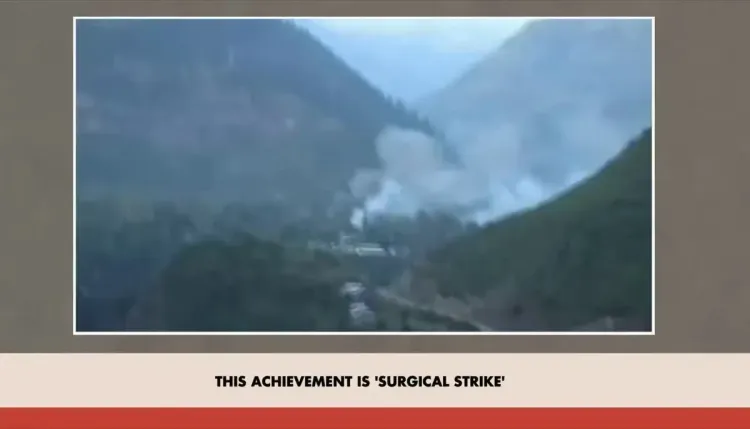
Union Education Minister Dharmendra Pradhan marked the 10th anniversary of India's 2016 surgical strikes on 27 September 2026, honouring the Army's courage and underlining India's Zero Tolerance Policy against terrorism via the #MannKiBaat hashtag.
Key Takeaways
Dharmendra Pradhan posted a tribute on 27 September 2026 marking the anniversary of the 2016 surgical strikes .
The strikes were carried out on 29 September 2016 in response to the Uri attack that killed 19 Indian soldiers .
Pradhan described the operation as a symbol of India's 'strong commitment and decisive capability against terrorism.' He affirmed India is fighting terrorism 'with complete firmness' under a Zero Tolerance Policy .
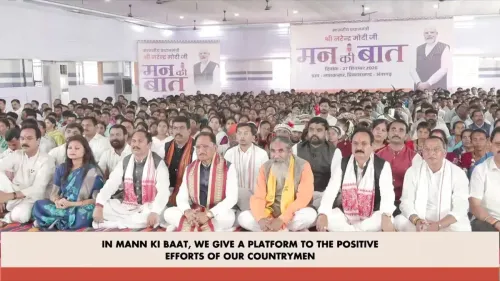
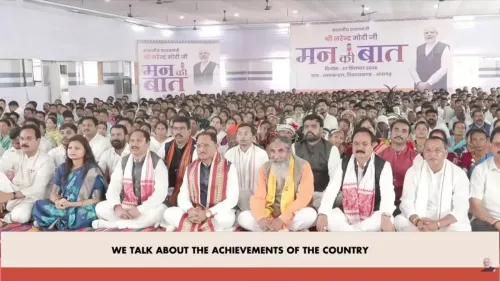
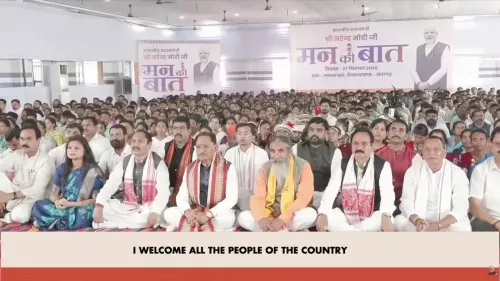
The post was tagged #MannKiBaat , linking it to PM Modi's monthly public-address programme.
The 2016 strikes established a doctrine of cross-border retaliation later echoed in the 2019 Balakot airstrikes .
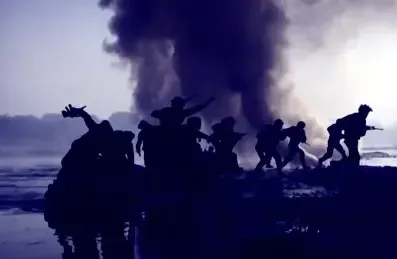
Ten years ago on this date, Indian Army Special Forces crossed the Line of Control under cover of darkness and struck terror launch pads in Pakistan-occupied Kashmir — a moment that reset the terms of India's counter-terrorism doctrine. Union Education Minister Dharmendra Pradhan invoked that anniversary on Sunday, 27 September 2026, posting a tribute to the armed forces and reaffirming India's unwavering stance against cross-border terrorism, tagging Prime Minister Narendra Modi's flagship public-communication programme #MannKiBaat.
Writing in Hindi, Pradhan stated: 'Surgical Strike ne aatankwaad ke khilaf Bharat ki dridh ichchhashakti aur veer jawaon ke sahas ka parichay duniya ke saamne rakha' — 'The Surgical Strike introduced the world to India's firm resolve against terrorism and the courage of its brave soldiers.' He called the operation a 'symbol of India's strong commitment and decisive capability against terrorism,' adding that today's India is 'fighting terrorism with complete firmness under a Zero Tolerance Policy.'
What the strikes of 29 September 2016 actually changed
The operation was India's kinetic response to the Uri attack of September 2016, in which a terrorist assault on an Army camp in Jammu and Kashmir killed 19 soldiers. Until that point, India's counter-terrorism responses had stayed within diplomatic and economic channels. The surgical strikes — conducted on the night of 29 September 2016 — marked a deliberate public shift: New Delhi would now act across the Line of Control when it judged the provocation sufficient, and it would say so explicitly.
The operation established a template that the government has cited repeatedly since — most visibly when Indian Air Force jets struck a camp in Balakot, Pakistan in February 2019 following the Pulwama suicide bombing. Both actions are invoked by the ruling establishment as evidence of a doctrine of 'decisive retaliation' that distinguishes the current government's security posture from earlier administrations.
Mann Ki Baat as the amplification channel
Pradhan's use of the #MannKiBaat hashtag is deliberate framing. Prime Minister Narendra Modi's monthly radio address has, over more than a decade, become the government's preferred platform for weaving security milestones, social schemes, and national achievements into a single civic narrative. Tagging it on Surgical Strike Day anchors Pradhan's tribute inside the Prime Minister's communications universe — reinforcing that the anniversary is a party-wide moment of commemoration, not a solitary post.
As a senior BJP leader and one of the party's most prominent faces in eastern India, Pradhan's voice carries organisational weight. His tribute, coming from the Education Ministry rather than the Defence or Home portfolios, underlines how thoroughly the 2016 strikes have been absorbed into the broader political identity of the ruling coalition — a shared reference point that transcends departmental boundaries.
The surgical strikes turned ten this year. The soldiers who conducted them remain anonymous by design. But the political memory of that night — built through anniversaries, addresses, and posts exactly like this one — grows louder every September.
Point of View
It signals that the 2016 surgical strikes have become part of the BJP's all-government identity, not merely a security-ministry talking point. Anchoring the message to #MannKiBaat ties it to the Prime Minister's direct-communication architecture, reinforcing a unified party-government narrative ahead of any electoral cycle. The explicit 'Zero Tolerance' framing is also forward-looking — it pre-empts any diplomatic softening and keeps the cross-border retaliation doctrine publicly live. Ten-year anniversaries are rarely accidental in Indian political communication; this one doubles as a doctrine restatement.
NationPress
27 Sept 2026
Frequently Asked Questions
What were India's 2016 surgical strikes?
India's surgical strikes of 29 September 2016 were Special Forces operations targeting terrorist launch pads across the Line of Control in Pakistan-occupied Kashmir. They were ordered in direct response to the Uri attack of September 2016, in which 19 Indian soldiers were killed.
Why did Dharmendra Pradhan post about the surgical strikes?
Dharmendra Pradhan posted on 27 September 2026 to mark the 10th anniversary of the surgical strikes, honouring the courage of Indian soldiers and reaffirming India's Zero Tolerance Policy against cross-border terrorism.
What is India's Zero Tolerance Policy on terrorism?
India's Zero Tolerance Policy refers to the government's stated doctrine of decisive, including cross-border, military action against terrorist infrastructure rather than purely diplomatic responses. The 2016 surgical strikes and the 2019 Balakot airstrikes are cited as its operational expressions.
What is Mann Ki Baat and why was it tagged?
Mann Ki Baat is Prime Minister Narendra Modi's monthly radio address covering national issues. Tagging it links Pradhan's tribute to the Prime Minister's public-communication platform, signalling a government-wide commemoration of the anniversary.
What was the Uri attack that triggered the surgical strikes?
The Uri attack in September 2016 was a terrorist assault on an Indian Army camp in Jammu and Kashmir that killed 19 soldiers . It directly prompted India to conduct the surgical strikes on 29 September 2016 .