Goyal: PM Modi to launch 127-acre Bovine Centre in Banaskantha
Synopsis
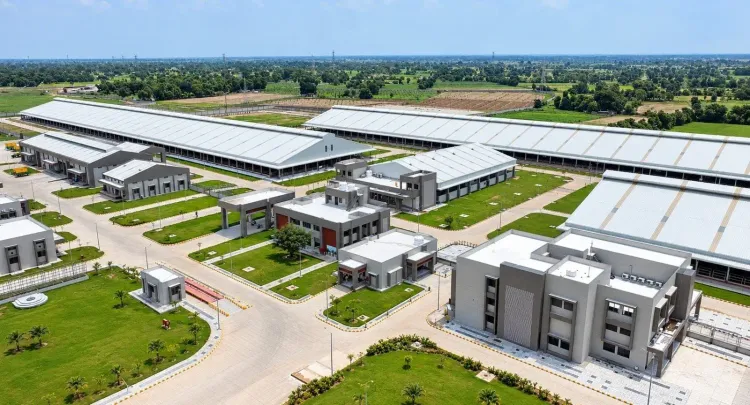
PM Modi is set to launch a 127-acre Bovine Breeding and Research Centre in Banaskantha, Gujarat — a facility Union Minister Piyush Goyal says will power India's next white revolution by boosting bovine genetics, dairy productivity and farmers' income.
Key Takeaways
PM Narendra Modi will inaugurate a 127-acre Bovine Breeding and Research Centre in Banaskantha, Gujarat on 30 October 2026 .
Union Minister Piyush Goyal called the launch a step toward scripting India's 'next white revolution' in the animal husbandry and dairy sector.
Banaskantha is one of India's most productive dairy belts, with deep roots in the cooperative milk movement anchored by Amul.
India's original White Revolution began with Operation Flood in 1970 , making the country the world's largest milk producer.
The Rashtriya Gokul Mission (2014) laid the policy groundwork for indigenous bovine breed improvement — the new centre is its most ambitious infrastructure expression to date.
Post-launch details on breed focus, operational timeline and budget allocations will determine the centre's national replicability.
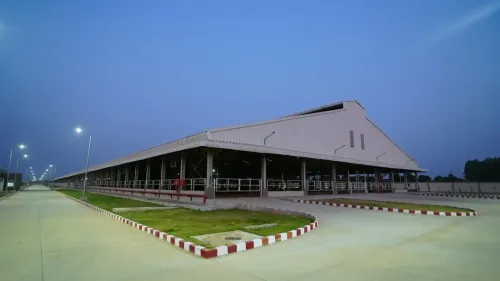
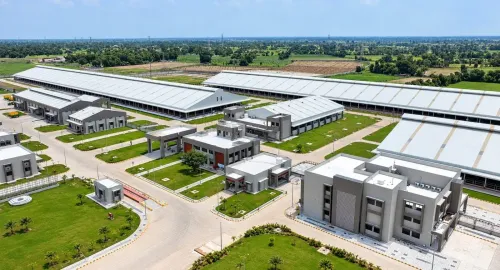
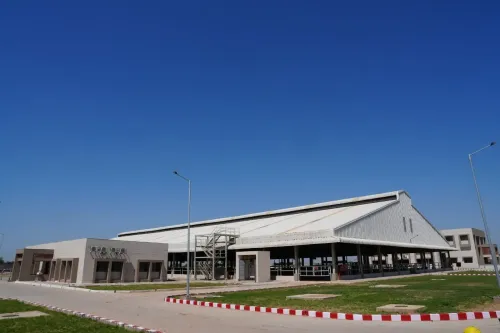
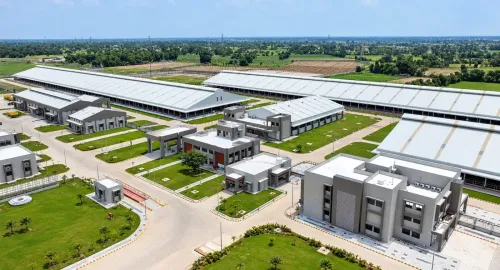
India's dairy heartland is about to get a significant scientific upgrade. Union Commerce and Industry Minister Piyush Goyal announced on Thursday, 29 October 2026 that Prime Minister Narendra Modi will launch a 127-acre Bovine Breeding and Research Centre in Banaskantha, Gujarat — a facility Goyal described as the spark for Bharat's 'next white revolution.'
Why Banaskantha is the right address for this ambition
Banaskantha is not an accidental choice. The northern Gujarat district sits at the centre of one of India's most productive dairy belts, shaped over decades by cooperative milk societies that fed directly into the broader cooperative model famously anchored by Amul. Dairy is not a side activity here — it is the economic spine of hundreds of thousands of farm households across the region.
Goyal framed the launch squarely as a welfare push: 'Modi government is firmly behind our farmers,' he wrote, linking the centre to the broader agenda of strengthening animal husbandry and the dairy sector. The facility's scale — 127 acres — signals a serious, long-term infrastructure commitment rather than a symbolic gesture.
The genetics gap the new centre is designed to close
India became the world's largest milk producer on the back of Operation Flood, launched in 1970, which built the cooperative structure that drove the original White Revolution. Yet decades later, bovine productivity per animal in India still trails leading dairy nations — a gap that rests heavily on breed quality and genetics.
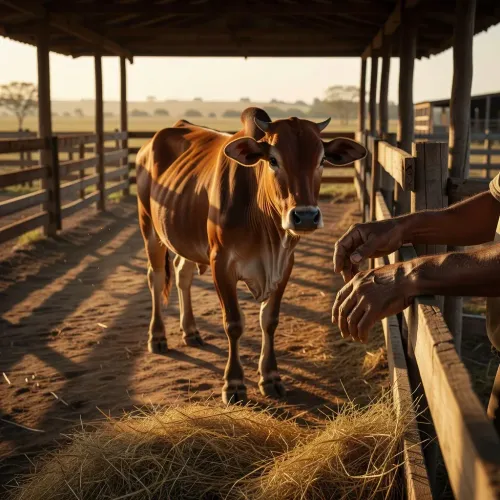
The Rashtriya Gokul Mission, announced in 2014, was the government's first structured answer: a programme to develop indigenous bovine breeds and raise their productivity. The Banaskantha centre appears to be the next, more concentrated expression of that logic — a dedicated research and breeding infrastructure that can generate genetically superior stock at scale and feed improvements back to farmers on the ground.
What a second white revolution would actually mean
Goyal's invocation of a 'next white revolution' is a deliberate echo of one of independent India's most celebrated rural transformations. The original White Revolution turned a milk-deficit nation into the world's top producer within two decades. A second iteration — driven by breed science, productivity gains and reduced dependence on imported livestock genetics — would have direct income consequences for the dairy farmers and animal husbandry sector that together represent a significant share of India's rural economy.
The details that will matter most after tomorrow's launch: the centre's breed focus, its operational timeline, partnerships with state animal husbandry departments, and whether similar facilities are planned for other dairy-intensive states. Budget allocations, both central and from Gujarat, will determine whether Banaskantha becomes a template or a one-off.
Point of View
Launching such a facility in Gujarat carries layered resonance: it reinforces the state's model-state narrative while targeting a key rural constituency ahead of ongoing policy cycles. The invocation of a 'second white revolution' is also a deliberate branding move — tying a new infrastructure investment to a transformation Indians already associate with national pride and rural uplift. Whether the centre delivers on that framing will hinge entirely on post-launch execution: staffing, breed programme design, and linkages with state dairy departments.
NationPress
29 Oct 2026
Frequently Asked Questions
What is the Bovine Breeding and Research Centre in Banaskantha?
It is a 127-acre facility being launched by PM Narendra Modi in Banaskantha, Gujarat focused on bovine genetics, breeding research and dairy productivity improvement to benefit Indian farmers.
When will PM Modi launch the Bovine Breeding and Research Centre?
The launch is scheduled for 30 October 2026 , as announced by Union Minister Piyush Goyal on 29 October 2026.
Why is Banaskantha chosen for this dairy research centre?
Banaskantha in northern Gujarat has historically been one of India's most productive dairy districts, with a strong cooperative milk infrastructure that made it a natural location for a major bovine research facility.
What was India's original White Revolution?
India's original White Revolution was driven by Operation Flood , launched in 1970 , which built a nationwide cooperative dairy structure and transformed India into the world's largest milk producer within two decades.
What is the Rashtriya Gokul Mission?
The Rashtriya Gokul Mission was announced in 2014 to promote the development and productivity enhancement of indigenous bovine breeds — forming the policy foundation on which the new Banaskantha centre builds.