Piyush Goyal Visits Sophia Antipolis, Invites European Tech Firms to India
Synopsis
Union Commerce Minister Piyush Goyal visited Sophia Antipolis, Europe's largest tech park hosting over 2,600 companies, on 15 June 2026. He engaged industry leaders and invited them to partner in India's growth story under PM Modi, advancing India's bid to become a global innovation and manufacturing hub.
Key Takeaways
Minister Piyush Goyal visited Sophia Antipolis in southern France on 15 June 2026 as part of the #BharatInnovates2026 initiative.
Sophia Antipolis hosts over 2,600 companies across cutting-edge technology sectors and is Europe's first and largest science and technology park.
Goyal engaged directly with industry leaders and invited them to become active partners in India's economic growth under PM Narendra Modi .
The visit aligns with India's Make in India , Startup India , and PLI policy framework aimed at attracting high-value foreign investment.
The engagement complements the India-EU Trade and Technology Council mechanism focused on joint innovation and technology transfer.
Follow-up MoUs or FDI commitments from French and European firms in semiconductors and AI are being closely watched.
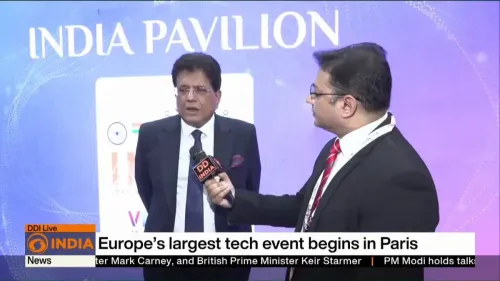
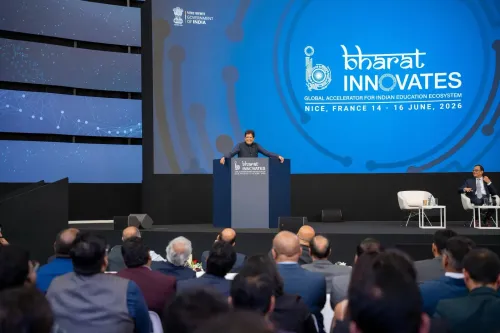
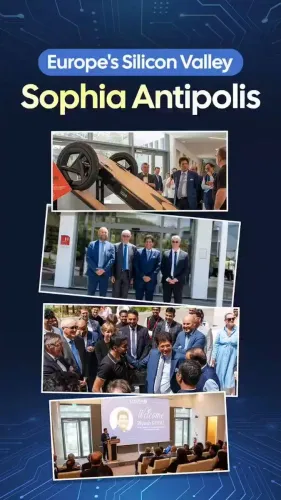
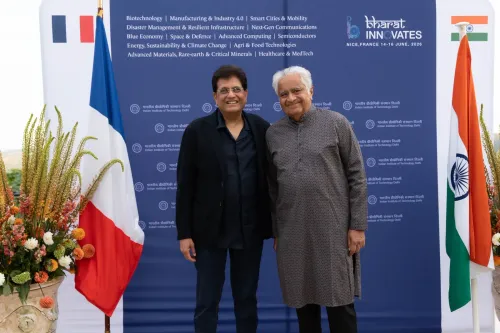
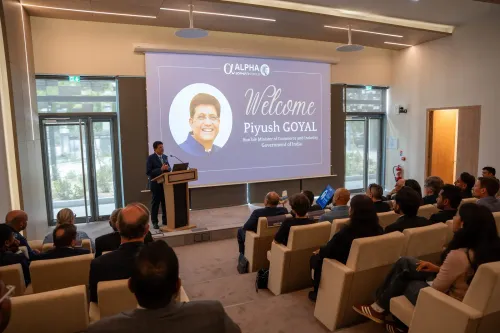
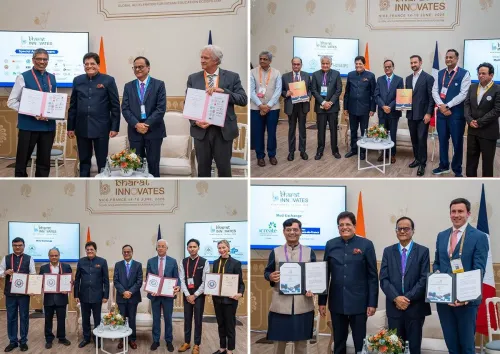
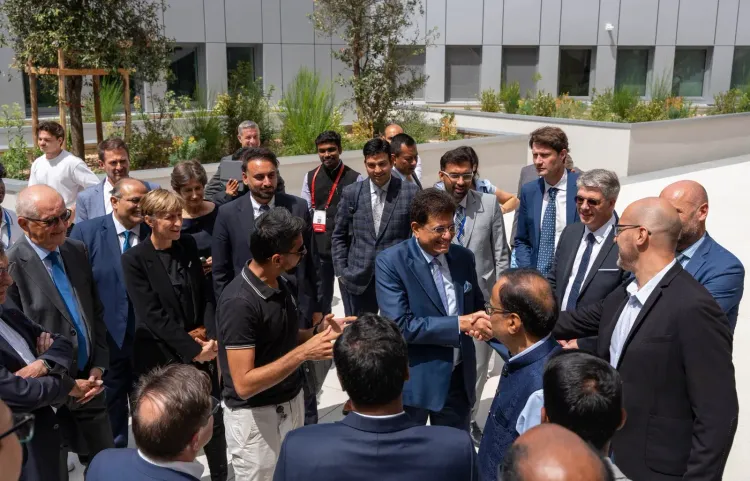
Union Commerce and Industry Minister Piyush Goyal visited Sophia Antipolis, Europe's first and largest science and technology park located in southern France, on Monday, 15 June 2026, as part of outreach under the #BharatInnovates2026 initiative to deepen India's technology and investment partnerships with European industry.
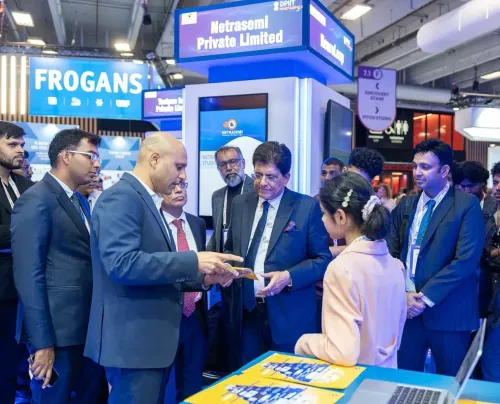
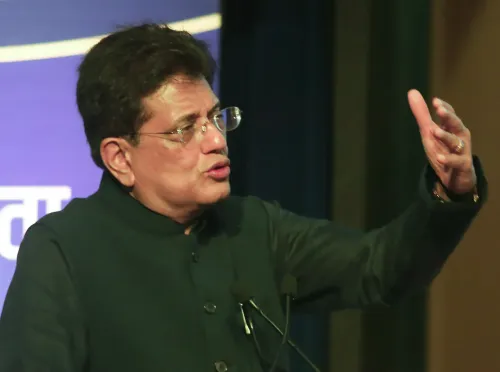
Goyal described the visit as 'fascinating', noting that the technology park hosts over 2,600 companies operating across cutting-edge sectors. He engaged with industry leaders at the park and extended a direct invitation for European firms to become 'active partners in India's remarkable growth story' under the leadership of Prime Minister Narendra Modi.
Context
Sophia Antipolis, situated near Nice in the Côte d'Azur region, was established as France's answer to Silicon Valley and today functions as one of Europe's most prominent concentrations of research institutions, multinationals, and technology start-ups. The park's model — bringing together research, talent, and enterprise in a single ecosystem — was cited by Goyal as 'a compelling example of how research, talent and enterprise can come together to drive economic growth and technological advancement.'
France is a longstanding strategic partner of India, with ties spanning technology, defence, and trade. The visit builds on that bilateral foundation at a moment when India is actively courting advanced-economy partners to diversify supply chains and accelerate high-value manufacturing.
Policy Backdrop
The engagement fits squarely within a policy architecture assembled over the past decade. The Make in India campaign, launched in 2014, positioned the country as a global manufacturing destination, while the Startup India initiative of 2016 focused on fostering entrepreneurship and technology-driven enterprises. From 2020 onward, Production Linked Incentive (PLI) schemes across electronics, IT hardware, and emerging technology sectors have been deployed to attract foreign direct investment at scale.
The Sophia Antipolis visit also aligns with India's engagement through the India-EU Trade and Technology Council, a mechanism designed to advance joint innovation platforms and technology transfer between India and European partners. Minister Goyal's outreach to industry captains at the park represents a direct, person-to-person extension of that institutional framework.
Stakeholders and Impact
European technology firms — particularly those in semiconductors, artificial intelligence, and advanced manufacturing — stand as the primary audience for Goyal's overtures. For Indian stakeholders, including domestic start-ups and manufacturers seeking global R&D collaboration, partnerships originating from such visits can accelerate access to European expertise and capital.
India's semiconductor mission and PLI framework create a concrete investment case that Goyal appears to have pressed in his industry meetings. The minister underscored that 'the opportunities to collaborate, invest and scale together have never been more promising,' signalling an intent to convert diplomatic goodwill into binding commercial commitments.
What's Next
Observers will watch for follow-up announcements from India-EU Trade and Technology Council sessions and dedicated investment roadshows targeting French firms in semiconductors and AI. Concrete outcomes — memoranda of understanding, FDI pledges, or joint R&D agreements — from the 2026-27 engagement cycle will be the clearest measure of whether the Sophia Antipolis visit translates into durable industrial partnerships. India's push to position itself as a global innovation hub will ultimately be judged by the depth and pace of commitments that flow from high-profile ministerial outreach of this kind.
Point of View
Arriving as India races to lock in European technology partners before rival manufacturing destinations consolidate similar relationships. The explicit invocation of #BharatInnovates2026 signals that the government is using a branded innovation narrative to give its overseas outreach a coherent, marketable identity. Embedding the visit within the India-EU Trade and Technology Council framework suggests New Delhi wants bilateral tech engagement institutionalised rather than left to ad hoc ministerial meetings. The real test will be whether the conversations at Sophia Antipolis produce binding commitments in semiconductors and AI — sectors where India's PLI incentives are most competitive.
NationPress
14 Sept 2026
Frequently Asked Questions
Why did Piyush Goyal visit Sophia Antipolis in France?
Goyal visited Sophia Antipolis on 15 June 2026 as part of the #BharatInnovates2026 initiative to engage European technology companies and invite them to invest and collaborate in India's innovation and manufacturing sectors.
What is Sophia Antipolis?
Sophia Antipolis is Europe's first and largest science and technology park, located in southern France near Nice. It hosts over 2,600 companies across advanced technology sectors and is often called Europe's Silicon Valley.
What is BharatInnovates2026?
BharatInnovates2026 is an Indian initiative aimed at showcasing the country's domestic innovation capabilities and attracting global technology partnerships to support India's ambition of becoming a world-class innovation hub.
How does the Sophia Antipolis visit connect to India's trade policy?
The visit aligns with India's broader policy framework — including Make in India , Startup India , and PLI schemes — and the India-EU Trade and Technology Council , all of which are designed to deepen R&D collaboration and attract high-value foreign investment from advanced economies.
What outcomes are expected from Goyal's France visit?
Analysts are watching for follow-up MoUs, FDI pledges, or joint R&D agreements with French and European firms, particularly in semiconductors and artificial intelligence, emerging from the 2026-27 engagement cycle.