Gujarat CM Patel's Anganwadis Teach Yoga to Toddlers at Shala Praveshotsav
Synopsis
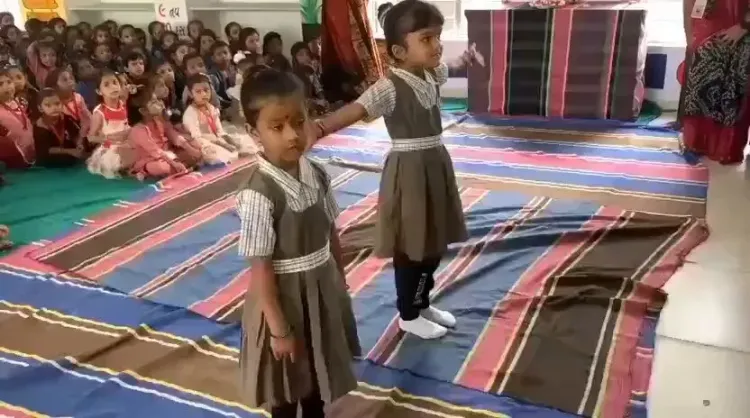
The Chief Minister's Office of Gujarat shared video of Anganwadi toddlers performing Surya Namaskar at Shala Praveshotsav 2026, underscoring CM Bhupendrabhai Patel's emphasis on embedding yoga into early childhood education across the state's ICDS network.
Key Takeaways
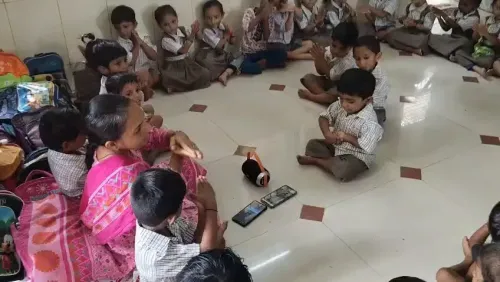
The CMO Gujarat posted a video on 24 June 2026 of young Anganwadi children performing Surya Namaskar and yoga asanas at Shala Praveshotsav 2026 .
The post challenged the assumption that yoga is only for older people, citing the children's confidence and enthusiasm as evidence of effective early training.
Shala Praveshotsav is Gujarat's annual school-admission festival used to showcase educational activities at the preschool and primary level.
Gujarat's Anganwadi centres operate under the national ICDS scheme and have progressively integrated yoga since the launch of International Yoga Day in 2015 .
The initiative is framed as supporting both physical fitness and intellectual development in children aged 0–6 .
Upcoming state budget decisions on ECCE infrastructure and expanded yoga modules across Anganwadis will determine the programme's long-term scale.
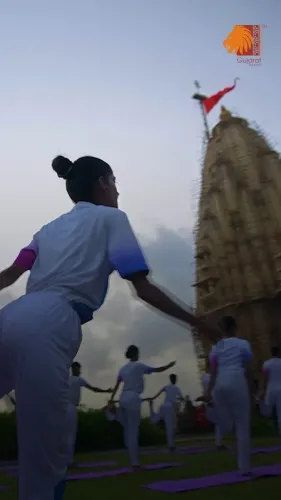
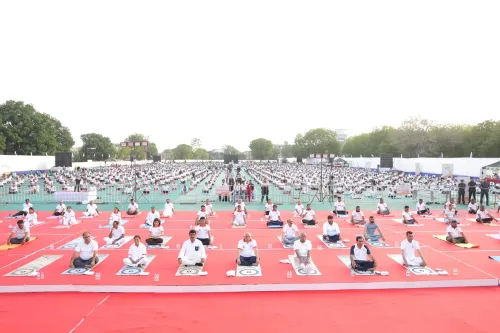
The Chief Minister's Office of Gujarat on Wednesday, 24 June 2026 shared a video of young children at Anganwadi centres performing Surya Namaskar and yoga asanas during the ongoing Shala Praveshotsav 2026 celebrations, highlighting the state government's push to embed wellness practices in early childhood education under Chief Minister Bhupendrabhai Patel.
The post, written in Gujarati, challenged a common assumption about yoga, stating: 'Yogni vaat aave tyaare samanya manyata evi hoy chhe ke fakt moti umnarna log j yog kari shake chhe' — 'When it comes to yoga, the general belief is that only older people can do it.' The Anganwadi children's confident demonstration of asanas at the Praveshotsav, the CMO said, reflects the holistic development taking place in Gujarat's Anganwadi network.
Context
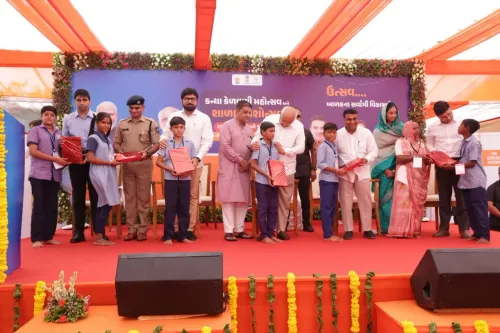
Shala Praveshotsav is Gujarat's annual school-admission festival, held at the start of each academic year, where cultural and activity demonstrations mark the formal enrolment of children into preschool and primary education. This year's edition — tagged #ShalaPraveshostav2026 — saw Anganwadi centres across the state use the occasion to showcase yoga as part of their regular curriculum. The CMO's post called on families and educators to build the habit of yoga from childhood itself, describing it as 'an invaluable gift of a healthy life.'
Policy Backdrop
Gujarat has progressively integrated yoga and Surya Namaskar into preschool activities since the national observance of International Yoga Day was established in 2015. The state's Anganwadi centres operate under the Integrated Child Development Services (ICDS) scheme, which provides nutrition, preschool education, and health services to children in the 0–6 age group. Since 2018, the state has strengthened the Early Childhood Care and Education (ECCE) component within these centres, aligning with national policy directions that blend traditional wellness practices with structured early learning.
The inclusion of yoga in Anganwadi programming fits within a broader national framework that treats physical fitness and cognitive development as complementary goals. Research in early childhood development supports the view that structured movement activities, including yoga asanas, can contribute meaningfully to a child's intellectual and emotional growth — a point the CMO's post explicitly referenced.
Stakeholders and Impact
The primary beneficiaries are Anganwadi children — largely from rural and semi-urban households — and their families, for whom these centres are often the first point of formal educational contact. By demonstrating yoga at a high-visibility state event like Shala Praveshotsav, the government signals to parents and local communities that physical wellness is a core, not supplementary, part of early education. Anganwadi workers and helpers, who implement these programmes on the ground, also play a central role in sustaining such initiatives beyond the festival context.
For CM Bhupendrabhai Patel, the imagery of young children confidently performing Surya Namaskar serves as a visible marker of the state's investment in its youngest citizens, reinforcing Gujarat's positioning as a leader in child welfare and holistic education.
What's Next
Attention will now turn to whether the state expands structured yoga modules across a larger number of Anganwadi centres ahead of the next full academic session, and whether upcoming state budget allocations earmark dedicated funds for ECCE infrastructure and training. The Praveshotsav demonstration could serve as a template for mainstreaming yoga as a formal, assessed activity within the preschool day — a step that would require training capacity and curriculum integration at scale.
Point of View
The CMO frames early childhood yoga not as a fringe activity but as a governance priority — one that dovetails with the Centre's sustained promotion of yoga since 2015. The move also reflects a broader trend of state governments using high-visibility annual events to signal policy intent beyond what budget allocations alone can communicate. Whether this translates into structured, trained, and resourced yoga programming across all Anganwadi centres — rather than festival-day optics — will be the real test of the initiative's depth.
NationPress
23 Sept 2026
Frequently Asked Questions
What is Shala Praveshotsav in Gujarat?
Shala Praveshotsav is Gujarat's annual school-admission festival held at the start of the academic year, where cultural and activity demonstrations — including this year's yoga performances by Anganwadi children — mark the formal enrolment of children into preschool and primary education.
What did Gujarat Anganwadi children do at Shala Praveshotsav 2026?
Children at Gujarat's Anganwadi centres performed Surya Namaskar and various yoga asanas during Shala Praveshotsav 2026, as shared by the Chief Minister's Office in a video post on 24 June 2026.
What is the role of Anganwadi centres in Gujarat's child development?
Anganwadi centres in Gujarat function under the national Integrated Child Development Services scheme, providing nutrition, preschool education, and health services to children aged 0–6, with an expanded focus on Early Childhood Care and Education since 2018.
Who is Gujarat's Chief Minister and what is his education policy?
Bhupendrabhai Patel has served as Gujarat's Chief Minister since September 2021 and has overseen the state's Anganwadi and school enrolment programmes, including the integration of yoga and holistic development activities into early childhood education.
Is yoga part of Gujarat's school curriculum?
Gujarat has progressively integrated yoga and Surya Namaskar into Anganwadi and preschool activities since the national launch of International Yoga Day in 2015, framing it as a tool for both physical fitness and cognitive development from early childhood.