CM Bhupendra Patel Highlights Rajkot Anganwadi Model for Child Welfare
Synopsis
The Chief Minister's Office of Gujarat on 9 July 2026 showcased modern Anganwadi centres built under CM Bhupendra Patel's guidance, highlighting a Rajkot Municipal Corporation-run centre as a model for play-based learning and nutrition, and appealing to parents to enrol all 3-year-old children.
Key Takeaways
The Chief Minister's Office of Gujarat posted on 9 July 2026 highlighting modern Anganwadi centres built under CM Bhupendra Patel's direction.
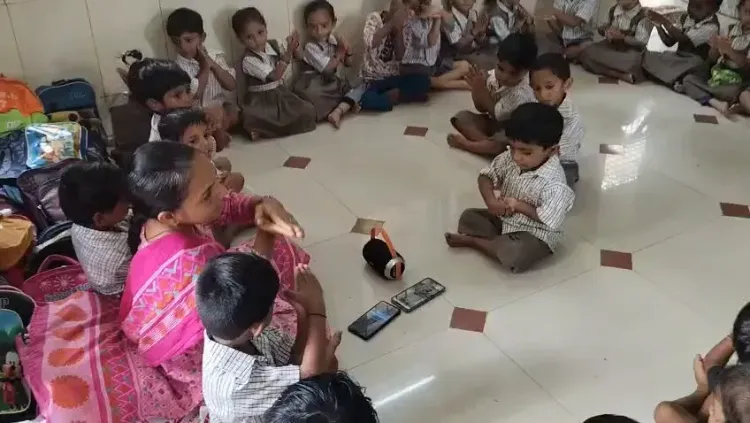
The Rajkot Municipal Corporation-run Anganwadi was specifically cited as a model blending knowledge with play-based learning.
Anganwadi workers were praised for their dedication, compared to the spirit of Yashoda Mata in the original Gujarati post.
The post includes a direct public appeal to bring all 3-year-old children to Anganwadi centres to begin their foundational development.
Gujarat's Anganwadi push aligns with the national ICDS scheme (1975) and POSHAN Abhiyaan (2018) frameworks for early childhood care.
Urban local bodies like the Rajkot Municipal Corporation are being positioned as active partners in delivering state welfare programmes.
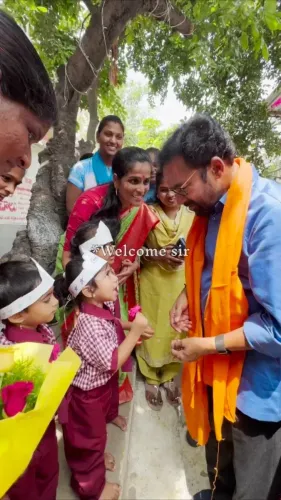
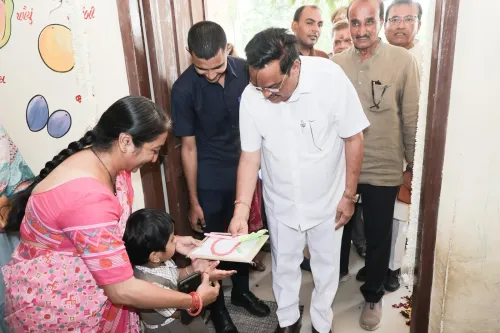
The Chief Minister's Office of Gujarat on Thursday, 9 July 2026, highlighted the state government's push to build modern, well-equipped Anganwadi centres across Gujarat under the guidance of Chief Minister Bhupendra Patel, spotlighting a centre operated by the Rajkot Municipal Corporation as a model for early childhood education and nutrition.
Context
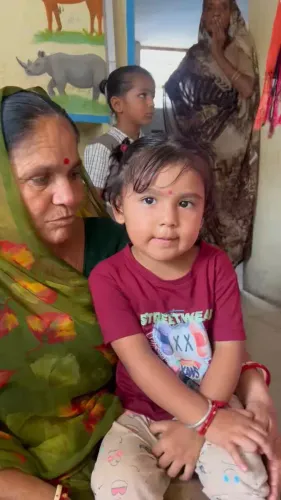
The post, shared in Gujarati, states that under CM Patel's direction, modern and well-facilitated Anganwadi centres have been built across the state to ensure children's education and nutrition. It invokes the spirit of Yashoda Mata (the divine foster mother of Lord Krishna) to describe the dedication of Anganwadi workers, calling them sisters who serve with a sense of duty and attract young children to the centres through a blend of knowledge and fun — 'gyan sathe gammat' (learning with joy). The post specifically names the Rajkot Municipal Corporation-run Anganwadi as an example of this approach, and closes with a direct public appeal: 'Let us bring all children aged 3 years to the Anganwadi and begin the foundation of their lives.'Policy Backdrop
Anganwadi centres are the frontline delivery units of the Integrated Child Development Services (ICDS) scheme, launched by the Government of India in 1975, which provides preschool education, nutrition supplements, and health services to children under six and pregnant women. The scheme was reinforced at the national level by POSHAN Abhiyaan, launched in 2018, a mission aimed at reducing stunting, undernutrition, and anaemia among children and women across India. Gujarat has aligned its state-level investments in Anganwadi infrastructure with both these frameworks, reflecting a broader policy shift toward purpose-built centres that combine play-based learning with nutritional support.Stakeholders and Impact
The primary beneficiaries of this initiative are children aged 3 years and above and their families across Gujarat's urban and rural areas. Anganwadi workers — referred to in the post with the honorific 'baheno' (sisters) — are central to service delivery, functioning as community-level educators and nutrition monitors. The Rajkot Municipal Corporation's involvement signals that urban local bodies are being positioned as active partners in early childhood care, extending the reach of state welfare programmes into city neighbourhoods. Improved enrolment at Anganwadis directly affects indicators such as child stunting rates, school readiness, and maternal health outcomes.What's Next
The public appeal to bring all 3-year-old children to Anganwadi centres suggests an active enrolment drive is underway or being planned across the state. Observers will watch for supplementary budget allocations directed at further Anganwadi upgrades in the next fiscal cycle, as well as state-level data on enrolment numbers and nutritional outcomes that could be used to assess the impact of the infrastructure push. The Gujarat government's emphasis on urban Anganwadi models, as seen in Rajkot, may also signal a replication strategy for other Municipal Corporation-run centres across the state.Point of View
Local example. By invoking the cultural metaphor of Yashoda Mata, the messaging connects a bureaucratic welfare scheme to deeply held social values, broadening its appeal beyond policy audiences. The enrolment appeal targeting 3-year-olds suggests the state is aware that infrastructure alone does not guarantee uptake, and that demand-side mobilisation is now as important as supply-side construction. This pattern mirrors approaches seen in other BJP-governed states where Anganwadi modernisation is framed as both a development achievement and a social values statement.
NationPress
8 Oct 2026
Frequently Asked Questions
What is an Anganwadi centre and what services does it provide?
An Anganwadi centre is a government-run village or urban childcare facility that provides preschool education, supplementary nutrition, immunisation, and health check-ups to children under six and pregnant women under the Integrated Child Development Services scheme launched in 1975.
What did the Gujarat CMO post about Anganwadis on 9 July 2026?
The Chief Minister's Office of Gujarat posted on 9 July 2026 highlighting modern Anganwadi centres built under CM Bhupendra Patel's guidance, specifically citing the Rajkot Municipal Corporation-run Anganwadi as a model, and appealing to parents to enrol all 3-year-old children.
Who runs the Anganwadi centre highlighted in Rajkot?
The Anganwadi centre highlighted in the post is operated by the Rajkot Municipal Corporation, the urban local body responsible for civic services in Rajkot city, Gujarat.
What is POSHAN Abhiyaan and how does it relate to Anganwadis?
POSHAN Abhiyaan is a national nutrition mission launched in 2018 to reduce stunting, undernutrition, and anaemia among children and women. Anganwadi centres are its primary delivery points, making their modernisation central to achieving the mission's targets.
Why is the Gujarat government appealing to parents to send 3-year-olds to Anganwadis?
The appeal signals an active enrolment drive, recognising that upgraded infrastructure must be matched by higher attendance to improve child development outcomes such as school readiness and nutritional health.