Gujarat CM Bhupendra Patel Seeks Central Aid from Amit Shah Amid Heavy Rains
Synopsis
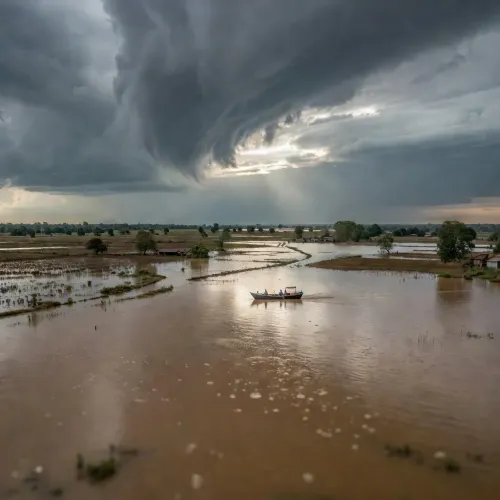
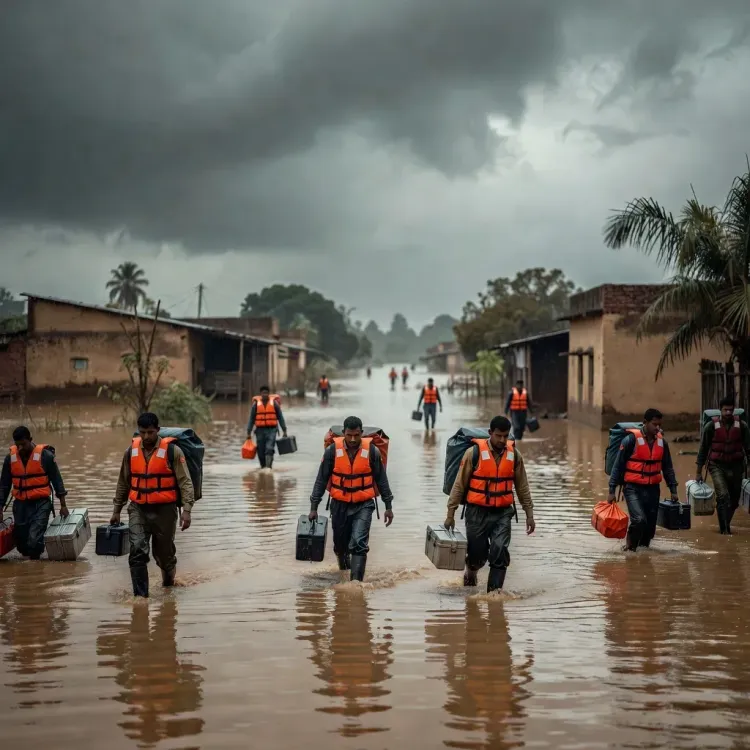
Gujarat Chief Minister Bhupendra Patel spoke with Union Home Minister Amit Shah on 23 July 2026 to seek central assistance for rescue and relief operations amid heavy monsoon rainfall. Shah assured all necessary support. The state administration has been declared fully prepared, and citizens have been urged to follow official advisories.
Key Takeaways
CM Bhupendra Patel personally contacted Union Home Minister Amit Shah on 23 July 2026 to seek central support for rescue and relief operations in Gujarat .
Amit Shah has assured Gujarat of all necessary central government assistance amid the heavy rainfall situation.
The state administration has been described as 'fully prepared' to protect the lives and property of citizens under CM Patel 's leadership.
Citizens have been urged by the administration to follow official instructions and remain alert during the heavy rain conditions.
India's Disaster Management Act, 2005 provides the legal framework for this type of centre-state coordination during natural calamities.
Deployment of central resources such as NDRF teams and financial aid may follow the assurance given by the Home Minister.
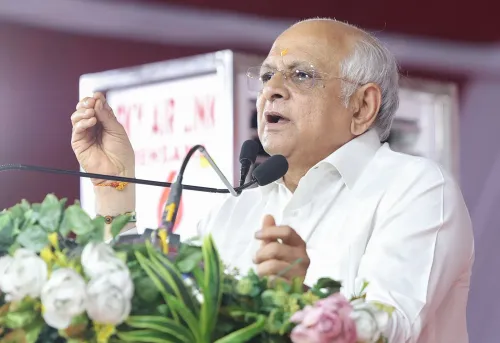
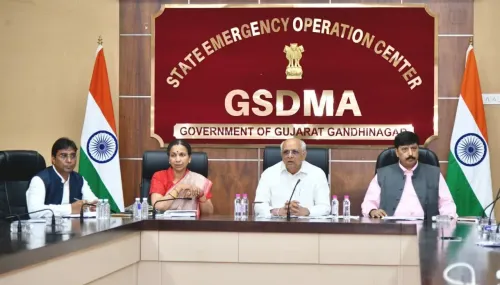
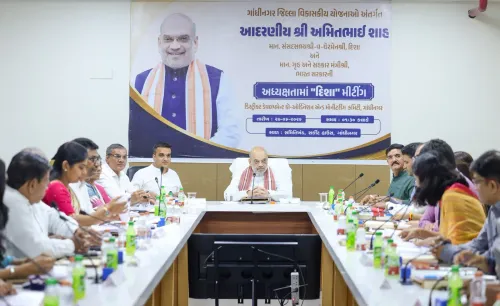
The Chief Minister's Office of Gujarat announced on Thursday, 23 July 2026 that Chief Minister Bhupendra Patel has spoken with Union Home and Cooperation Minister Amit Shah to seek central government assistance for rescue and relief operations amid heavy rainfall conditions across the state.
The post, shared in Gujarati, stated: 'મુખ્યમંત્રી શ્રી ભૂપેન્દ્રભાઈ પટેલે રાજ્યમાં વરસાદી સ્થિતિમાં બચાવ-રાહત સહિતની કામગીરીમાં કેન્દ્ર સરકારની મદદ માટે... વાતચીત કરી છે' — ('Chief Minister Bhupendra Patel has spoken with Union Home and Cooperation Minister Amit Shah seeking central government assistance for rescue and relief operations in the state's rainfall situation.')
The CMO further noted that Amit Shah has assured Gujarat of all necessary support in this regard. Citizens have been appealed to follow instructions issued by the administration and to remain alert.
Context
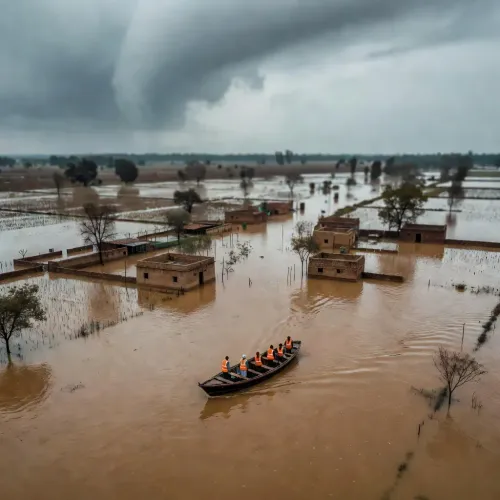
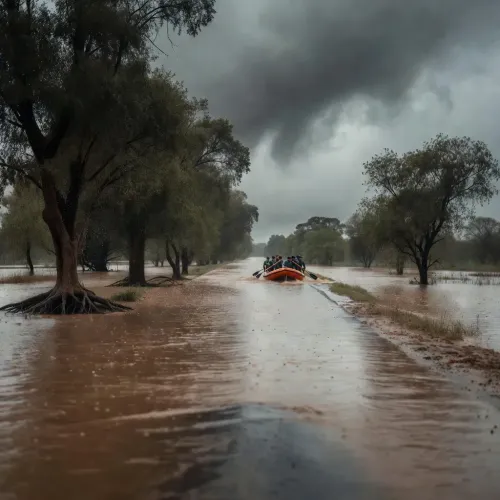
Gujarat, a western Indian state, experiences intense monsoon rainfall periodically, placing significant pressure on state administration to coordinate large-scale rescue and relief operations. The 2026 monsoon season has prompted the state government to activate its disaster response machinery.
The CMO stated that the state administration is 'fully prepared' under Chief Minister Patel's leadership to protect the lives and property of citizens amid heavy rainfall conditions. Citizens have been specifically urged to follow official advisories and exercise caution.
Policy Backdrop
India's federal disaster management architecture, established under the Disaster Management Act, 2005, provides the legal framework for centre-state coordination during natural calamities including excessive rainfall. Under this framework, state governments formally communicate with the Ministry of Home Affairs to request resources such as National Disaster Response Force (NDRF) teams and financial assistance from the National Disaster Response Fund.
Amit Shah, who has held the portfolio of Union Minister of Home Affairs since 2019, oversees national disaster management coordination and the deployment of central resources to states facing emergencies. Such direct communication between a chief minister and the home minister is a standard protocol during monsoon crises across Indian states.
Stakeholders and Impact
The primary stakeholders in this situation are Gujarat's residents, who face direct risk from heavy rainfall, flooding, and related hazards. The state administration, district-level machinery, and central agencies such as the NDRF are the key operational actors responsible for on-ground rescue and relief.
Central government assurance of support signals that additional resources — including personnel, equipment, and potentially financial aid — could be mobilised for affected districts in Gujarat. The administration's appeal for citizens to follow official instructions underlines the seriousness of the prevailing weather conditions.
What's Next
The progress of monsoon rains across Gujarat will determine the scale of central assistance eventually deployed. Subsequent announcements regarding the deployment of NDRF teams, central financial releases, or district-level relief measures are expected as the situation develops.
The Centre's assurance to Gujarat reflects a broader pattern of federal responsiveness during monsoon emergencies, and the effectiveness of the state-centre coordination will be closely watched as the 2026 monsoon season progresses.
Point of View
Signalling that the state has assessed the situation as requiring resources beyond its own capacity. The Home Minister's prompt assurance of support reflects the Centre's standard posture of responsiveness during monsoon crises, which carries political as well as administrative significance for the ruling party in both Gandhinagar and New Delhi. The public appeal for citizens to follow official advisories suggests the administration is also managing the information environment to prevent panic and ensure compliance with evacuation or safety orders. How swiftly central resources are actually deployed on the ground will be the real measure of this coordination.
NationPress
23 Jul 2026
Frequently Asked Questions
Why did Gujarat CM Bhupendra Patel call Amit Shah?
Gujarat CM Bhupendra Patel called Union Home Minister Amit Shah to seek central government assistance — including rescue and relief support — amid heavy monsoon rainfall conditions in Gujarat in July 2026. Shah assured all necessary help would be provided.
What help can the central government provide Gujarat during heavy rains?
Under the Disaster Management Act, 2005, the central government can deploy NDRF teams, provide financial assistance from the National Disaster Response Fund, and mobilise other central resources to support state-level rescue and relief operations during heavy rainfall or flooding.
Is the Gujarat administration prepared for the 2026 monsoon floods?
Yes, according to the Chief Minister's Office of Gujarat, the state administration is 'fully prepared' under CM Bhupendra Patel's leadership to protect the lives and property of citizens during the heavy rainfall situation.
What should Gujarat citizens do during the heavy rain alert?
The Gujarat government has appealed to citizens to follow instructions issued by the administration and to remain alert and cautious during the ongoing heavy rainfall conditions.
What is the NDRF and how does it help during floods?
The National Disaster Response Force (NDRF) is India's specialised federal agency for disaster response. During heavy rains and floods, NDRF teams are deployed to conduct search, rescue, and evacuation operations in affected areas upon request from state governments.