How is Gujarat CM Bhupendra Patel Responding to the Farmers Affected by Unseasonal Rains?
Synopsis
Gujarat's Chief Minister Bhupendra Patel is taking urgent actions to support farmers impacted by unseasonal rains. His administration is committed to delivering a timely relief package, ensuring that farmers receive the necessary assistance to recover from extensive crop damage. Stay tuned to learn how this initiative will impact the agricultural community.
Key Takeaways
Gujarat CM Bhupendra Patel expresses concern over crop damage.
State government pledges quick relief to farmers.
Surveys and assessments are underway for accurate damage data.
Unseasonal rains have led to significant financial losses.
Farmers are urged to remain hopeful as support is on the way.
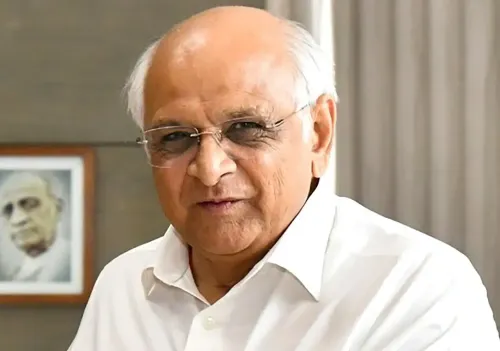
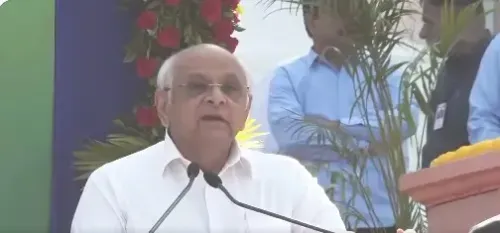
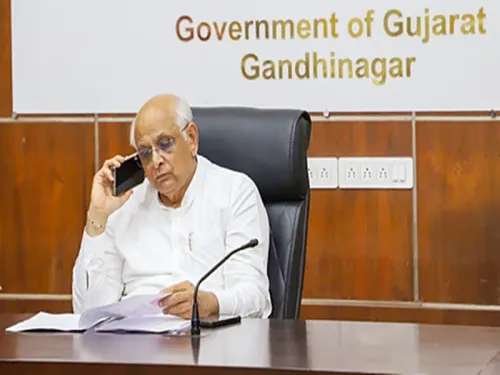
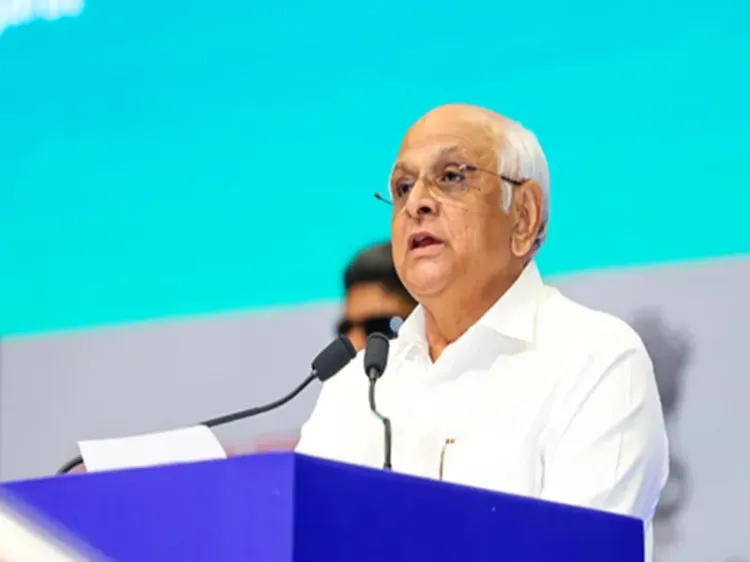
Gandhinagar, Nov 2 (NationPress) The Chief Minister of Gujarat, Bhupendra Patel, has voiced serious concern regarding the significant damage inflicted on crops throughout the state due to unseasonal rains and abrupt weather variations. In a social media update, he stated that the state government is resolutely standing by farmers during this challenging period and promised that a thorough relief and support package will be introduced shortly.
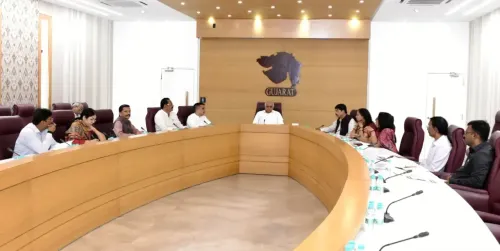
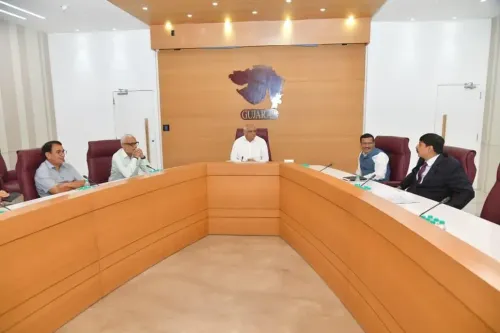
“The administration has promptly conducted evaluations and surveys to assess the damage caused by the rains. I am in continuous coordination with ministers and officials to guarantee timely assistance,” the Chief Minister remarked, reiterating his government’s dedication to respond with urgency and compassion.
Deputy Chief Minister Harsh Sanghvi praised the Chief Minister’s proactive approach, describing it as an example of sympathetic and farmer-focused governance.
“The government’s initiative to provide immediate relief following the survey showcases proactive leadership and a caring attitude towards farmers,” he stated.
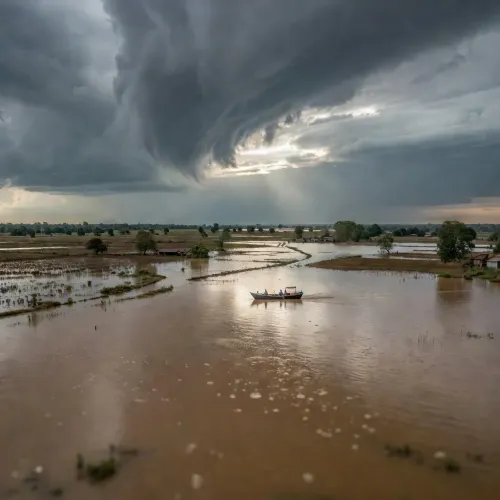
The unseasonal rainfall, which has impacted extensive areas of Gujarat, is being termed as an extraordinary climatic event, with certain regions experiencing the heaviest rains in over twenty years during this season. Crops ready for harvest, such as cotton, groundnut, and pulses, have been severely affected.
In response, CM Patel has instructed District Collectors and District Development Officers to undertake field evaluations and deliver detailed reports to the state government within three days. “Our objective is to gather precise data swiftly so that aid can reach farmers without delay,” he stated.
The Chief Minister emphasised that the state government is fully committed to providing substantial compensation and prompt support to farmers -- the “sons of the soil” -- ensuring they are not abandoned in the wake of this unforeseen calamity.
Unseasonal rain can drastically disrupt the lives and livelihoods of farmers by damaging crops that are near harvest, leading to significant financial losses. When rainfall occurs unexpectedly — outside the standard monsoon season — it can cause waterlogging, crop decay, pest infestations, and soil nutrient depletion.
Crops such as cotton, groundnut, wheat, and pulses are particularly susceptible, as excess moisture destroys both yield and quality.
For small and marginal farmers who rely on each harvest for their income, such rains can lead them into debt, delay the upcoming sowing season, and strain their access to credit and recovery resources, creating a ripple effect throughout rural economies.
Point of View
We stand firmly with the farmers of Gujarat during these challenging times. The government's response reflects a commitment to support the agricultural sector, and we believe it is crucial to ensure that farmers receive the assistance they need to recover and sustain their livelihoods.
NationPress
18 Oct 2026
Frequently Asked Questions
What measures is the Gujarat government taking for farmers affected by unseasonal rains?
The Gujarat government is conducting damage assessments and plans to announce a comprehensive relief and assistance package to support farmers.
How have the unseasonal rains affected crops in Gujarat?
The unseasonal rains have severely damaged crops ready for harvest, including cotton, groundnut, and pulses, leading to significant financial losses for farmers.
What kind of support can farmers expect from the government?
Farmers can expect generous compensation and timely assistance from the state government to help them recover from the disaster.
Why is unseasonal rain particularly harmful to farmers?
Unseasonal rain can lead to waterlogging, crop rot, and pest outbreaks, which significantly disrupt farming activities and livelihoods.
What actions are being taken to gather information about the damage?
CM Patel has directed District Collectors to conduct field assessments and submit detailed reports to the state government within three days.