AI-forged docs fuel ₹9.60 lakh Civil Hospital tender scam; 3 held in Ahmedabad
Synopsis
A three-member gang used ChatGPT to forge government procurement documents and impersonate Ahmedabad Civil Hospital officials, defrauding a bio-green plastic bag manufacturer of ₹9.60 lakh. With at least six victims identified and total suspected fraud crossing ₹33 lakh across multiple cases, this is one of the first documented instances in India of AI-generated documents being weaponised for GeM portal fraud.
Key Takeaways
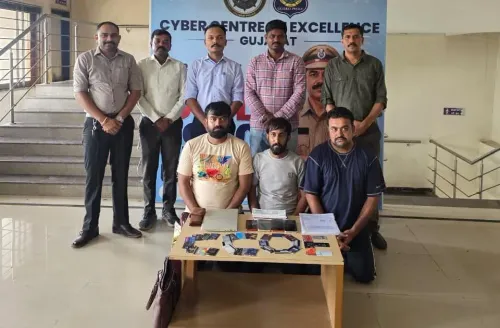
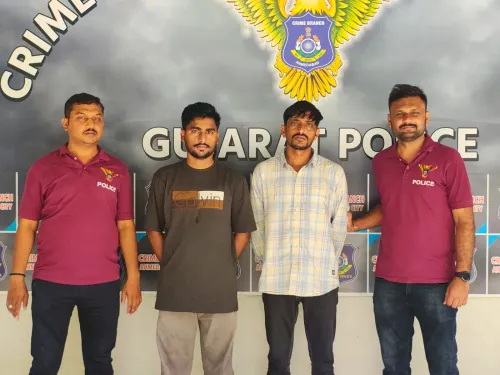
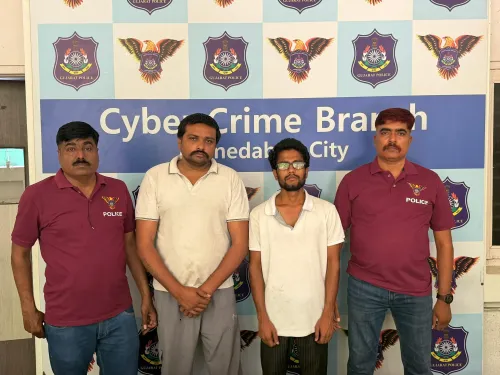
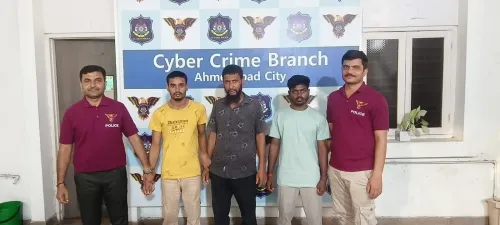
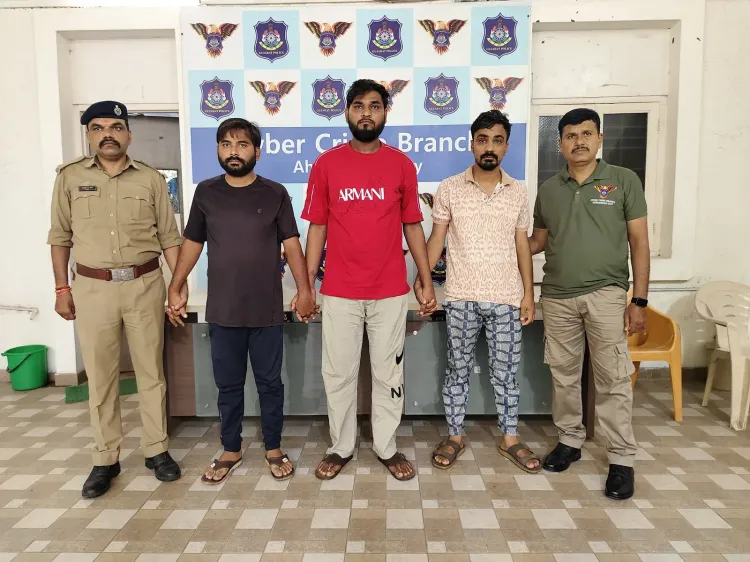
The Ahmedabad Cyber Crime Branch arrested three men on 4 August for allegedly defrauding a company of ₹9.60 lakh via a fake government tender.
Accused Rahul Sharma, 29 , allegedly used ChatGPT to generate forged purchase orders, identity cards, and official documents.
The gang impersonated officials of Ahmedabad Civil Hospital and the AMC , creating fake email accounts and conducting Google Meet calls.
Preliminary findings suggest at least six victims ; total suspected fraud across linked cases exceeds ₹33 lakh .
Cases registered under Section 318 of the Bharatiya Nyaya Sanhita (2023) and Sections 66(C) and 66(D) of the IT Act .
The Ahmedabad Cyber Crime Branch has arrested three men for allegedly defrauding a city-based company of ₹9.60 lakh by impersonating officials of Ahmedabad Civil Hospital and the Ahmedabad Municipal Corporation (AMC), using AI-generated forged documents and fabricated government procurement procedures to push a non-existent supply contract. The arrests were made on 4 August, with investigators identifying the accused as residents of Ahmedabad originally hailing from Rajasthan, Uttar Pradesh, and Madhya Pradesh.
How the Fraud Was Executed
The gang targeted a company manufacturing bio-green plastic bags, falsely claiming that Ahmedabad Civil Hospital required 2,000 disposable bags and that a purchase order would be processed through the government's procurement system. To establish credibility, the accused allegedly sent forged Civil Hospital employee identity cards, fake purchase orders, tender forms, and official-looking documents bearing fabricated signatures and seals.
The group also created a fake Civil Hospital email account and conducted video calls via Google Meet while posing as hospital officials. The complainant, a resident of the Satellite area of Ahmedabad, was then persuaded to transfer money under the pretext of obtaining mandatory certifications — including ZED, CPCP, OEM on the Government e-Marketplace (GeM) portal and NSIC certificates — along with processing charges. In total, the company transferred ₹9.60 lakh before discovering the deception.
The Accused and Their Roles
Investigators arrested Rahul Sharma, 29, originally from Alwar, Rajasthan; Vipul Singh Tomar, 30, a native of Mainpuri, Uttar Pradesh; and Aman Kushwaha, 26, from Bhind, Madhya Pradesh. All three had been living in Ahmedabad.
Police identified Rahul Sharma as the alleged mastermind. According to investigators, he devised the scheme, arranged SIM cards and bank accounts, impersonated a Civil Hospital purchase department official named Rajesh Rawal, and allegedly used ChatGPT to generate fake procurement orders, confirmation letters, and forged identity cards. He also reportedly visited the complainant's office in person while posing as a hospital employee.
Of the total amount defrauded, ₹2.15 lakh was transferred into Rahul's account, while ₹7.45 lakh went into Vipul Singh Tomar's account. Investigators allege Tomar withdrew the funds via cheques, retained a commission, and passed the remainder to Rahul through co-accused Aman Kushwaha. Kushwaha allegedly posed as an AMC official named Shailesh Singh and communicated with the complainant via phone calls and WhatsApp, claiming he could facilitate the required government certifications.
What the Police Said
ACP Hardik Makadia said the main accused had previously worked for approximately three years with consultancy firms assisting businesses with government procurement through platforms such as GeM and other e-procurement portals. 'He had detailed knowledge of government procurement procedures and the certificates required. Around three months ago, he came up with the idea of contacting companies and cheating them,' Makadia said.
The ACP added that the accused searched online for manufacturers of products such as green plastic bags, identified established companies, and approached them through WhatsApp. 'He used ChatGPT to prepare fake procurement orders, confirmation letters and other documents, created fake identity cards and then cheated the victims,' he said.
Wider Pattern of Fraud
Preliminary investigation suggests the group defrauded at least six victims using the same modus operandi. Beyond the present case, investigators have linked the accused to a separate fraud of over ₹18.31 lakh reported at Changodar Police Station, where a case has been registered under Section 318(2) of the Bharatiya Nyaya Sanhita (2023) and Section 66(D) of the Information Technology Act. One accused also has a prior case at Rakhial Police Station under Section 318(4) of the Bharatiya Nyaya Sanhita and Sections 66(C) and 66(D) of the IT Act. Investigators further suspect the gang was involved in additional frauds of around ₹5 lakh involving other victims, with investigation ongoing.
This case underscores a growing pattern of AI-assisted procurement fraud targeting small and mid-sized manufacturers registered on government portals — a threat that enforcement agencies are only beginning to map.
Point of View
Designed to democratise government procurement, has inadvertently created a target-rich environment: a public database of registered vendors, each a potential mark. Enforcement agencies have yet to build systematic detection for AI-generated document fraud, and the ₹33-lakh figure across linked cases is almost certainly an undercount given the six-victim preliminary estimate.
NationPress
4 Aug 2026
Frequently Asked Questions
What was the Ahmedabad Civil Hospital tender fraud?
Three men allegedly impersonated officials of Ahmedabad Civil Hospital and the AMC, using AI-generated forged documents to convince a bio-green plastic bag manufacturer that it had won a government supply contract. The company transferred ₹9.60 lakh in certification and processing fees before discovering the fraud.
How did the accused use AI to commit the fraud?
According to police, the alleged mastermind Rahul Sharma used ChatGPT to generate fake procurement orders, confirmation letters, and official-looking documents, and also created forged employee identity cards. The gang further used a fake Civil Hospital email account and Google Meet video calls to impersonate hospital officials.
Who are the three men arrested in the Ahmedabad cyber fraud case?
The arrested accused are Rahul Sharma, 29, from Alwar, Rajasthan (alleged mastermind); Vipul Singh Tomar, 30, from Mainpuri, Uttar Pradesh (handled fund withdrawal); and Aman Kushwaha, 26, from Bhind, Madhya Pradesh (posed as an AMC official). All three were residing in Ahmedabad at the time of arrest.
How much money did the gang allegedly defraud in total across all cases?
Beyond the ₹9.60 lakh case, investigators have linked the accused to a separate fraud of over ₹18.31 lakh at Changodar Police Station and suspect additional frauds of around ₹5 lakh. Preliminary investigation also points to at least six victims using the same modus operandi.
What laws have been invoked against the accused?
Cases have been registered under Section 318(2) and Section 318(4) of the Bharatiya Nyaya Sanhita (2023), which deal with cheating, and under Sections 66(C) and 66(D) of the Information Technology Act, covering identity theft and cheating by impersonation using computer resources.