Gujarat boosts Collectors' land allotment powers to cut Gandhinagar delays
Synopsis
Gujarat has sharply raised the financial ceilings for District Collectors and DDOs to approve government land allotments locally — lifting some limits by as much as 66 times — cutting the need to route routine cases through Gandhinagar. The move signals a meaningful push toward administrative decentralisation in a state that already leads national ease-of-doing-business rankings.
Key Takeaways
The Gujarat government on 28 July enhanced financial powers of District Collectors and DDOs for government land allotments.
Limit for allotting up to two hectares to state boards and corporations raised from ₹15 lakh to ₹1 crore .
Residential allotment limit for individuals raised from ₹1 lakh to ₹20 lakh ; cooperative housing societies from ₹6 lakh to ₹50 lakh .
DDO limits for Gamtal individual residential plots raised from ₹20,000 to ₹1 lakh .
District Collectors can now grant payment extensions beyond 90 days up to the three-year tenure of the District Land Valuation Committee.
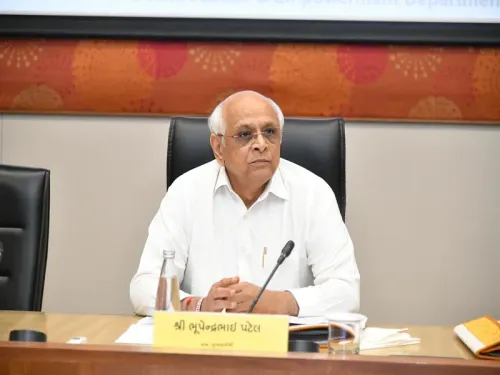
Chief Minister Bhupendra Patel cited 'ease of doing business' and reducing referrals to Gandhinagar as the key rationale.
The Gujarat government on Tuesday, 28 July significantly expanded the financial powers of District Collectors and District Development Officers (DDOs) to approve a broader range of government land allotments at the district level, in a move designed to reduce administrative delays and accelerate infrastructure, industrial, rural development, and public welfare projects across the state.
What the New Powers Cover
Under the revised framework, District Collectors will now operate under substantially higher financial ceilings across multiple categories of land allotment. The limit for allotting up to two hectares of land to state government boards and corporations has been raised from ₹15 lakh to ₹1 crore.
For allotment of up to one hectare to Central government departments for public purposes, the ceiling has moved from ₹15 lakh to ₹50 lakh. Residential allotments to government employees and individuals now carry a limit of ₹20 lakh, up from ₹1 lakh, while the cap for cooperative housing societies has risen from ₹6 lakh to ₹50 lakh. Commercial land allotment through auction has been revised from ₹1 lakh to ₹5 lakh, and the limit for cooperative godowns and other institutions from ₹3 lakh to ₹15 lakh.
DDO Powers for Gamtal Plots Also Enhanced
District Development Officers have received parallel upgrades for the allotment of Gamtal plots — revenue land within village boundaries. The limit for individual residential plots has been raised from ₹20,000 to ₹1 lakh. For cooperative housing societies, the ceiling has moved from ₹1.5 lakh to ₹7.5 lakh, and for milk cooperatives, cooperative godowns, and rural grid projects from ₹20,000 to ₹1 lakh.
What the Government Said
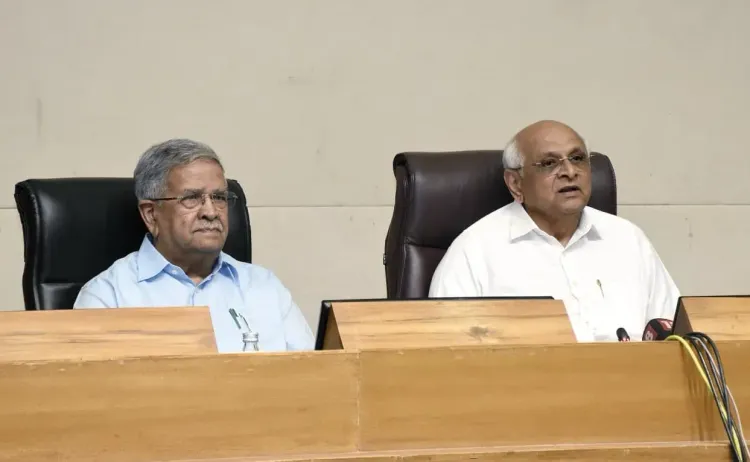
Chief Minister Bhupendra Patel framed the decision as part of the state's ongoing effort to improve governance efficiency. 'The enhanced powers form part of the state government's continuing efforts to improve 'ease of doing business' and simplify administrative processes by reducing the need for cases to be referred to Gandhinagar,' he said.
Officials added that the changes are expected to 'facilitate quicker allotment of government land for public infrastructure, industrial development and social sector projects, while also supporting employment generation.'
Payment Extension and Procedural Changes
In a separate procedural update, District Collectors have been authorised to grant extensions for payment of possession price or premium in cases involving state government boards, corporations, and Central government departments, if payment is not made within 90 days of the demand notice. The extension may be granted up to the completion of the three-year tenure of the District Land Valuation Committee, a step the government said would reduce repetitive administrative processes.
The state government noted that since land records and site-related information are already available at the district level, resolving cases locally will cut both procedural delays and the burden on applicants who previously had to pursue approvals in Gandhinagar. Earlier collection of possession charges is also expected to ensure faster deposit of revenue into the state treasury.
Broader Context
The revision is the latest in a series of administrative decentralisation steps taken by the Bhupendra Patel-led government, which has repeatedly cited ease of doing business as a policy priority. Gujarat has consistently ranked among the top states in the Centre's Business Reform Action Plan. Notably, expanding district-level financial authority addresses a long-standing bottleneck where even routine land allotments required state-capital clearance, slowing down projects on the ground.
Point of View
Not just a headline gesture. The real test is whether district machinery has the capacity and accountability structures to handle this expanded authority without creating new bottlenecks or scope for discretionary misuse. Gujarat's land allotment system has historically faced scrutiny over transparency; decentralising powers without strengthening grievance redressal and audit trails could shift the problem rather than solve it. The move aligns with the state's ease-of-doing-business positioning, but the quality of outcomes will depend on how consistently districts apply the revised framework.
NationPress
28 Jul 2026
Frequently Asked Questions
What changes has the Gujarat government made to District Collectors' land allotment powers?
The Gujarat government has raised the financial ceilings for District Collectors to approve government land allotments across multiple categories. For example, the limit for allotting up to two hectares to state boards and corporations has increased from ₹15 lakh to ₹1 crore, and for cooperative housing societies from ₹6 lakh to ₹50 lakh.
Why has Gujarat expanded the financial powers of District Collectors and DDOs?
The move is aimed at reducing administrative delays by allowing more land allotment cases to be decided at the district level, where land records and site information are already available, rather than routing them to Gandhinagar. Chief Minister Bhupendra Patel cited improving 'ease of doing business' as the primary rationale.
What are the new financial limits for DDOs for Gamtal plot allotments?
District Development Officers can now approve individual residential Gamtal plots up to ₹1 lakh, raised from ₹20,000. The limit for cooperative housing societies has been enhanced from ₹1.5 lakh to ₹7.5 lakh, and for milk cooperatives, cooperative godowns, and rural grid projects from ₹20,000 to ₹1 lakh.
Who benefits from the Gujarat land allotment power revision?
The revision benefits state government boards and corporations, Central government departments, individual government employees, cooperative housing societies, milk cooperatives, and institutions seeking commercial or residential land allotments — all of whom will now be able to complete approvals at the district level rather than pursuing them in Gandhinagar.
What is the new payment extension provision for District Collectors?
District Collectors have been authorised to grant extensions for payment of possession price or premium if payment is not made within 90 days of the demand notice, in cases involving state boards, corporations, and Central government departments. The extension can be granted up to the three-year tenure of the District Land Valuation Committee.