Chhattisgarh CMO: CSPDCL Survey Clears Smart Meter Myths
Synopsis
CSPDCL surveyed electricity consumers in Raipur, Bilaspur, and Durg over three months and confirmed smart meters do not inflate power usage — directly countering widespread public misconceptions about the devices across Chhattisgarh.
Key Takeaways
CSPDCL conducted a three-month comparative study on smart meters across Raipur, Bilaspur, and Durg .
The study found smart meters measure actual electricity consumption accurately, with no artificial inflation of usage or bills.
The Chief Minister's Office of Chhattisgarh shared the findings on 28 July 2026 , framing them as a rebuttal to misinformation.
Smart metering in India is tied to the Ujjwal DISCOM Assurance Yojana (UDAY) reform agenda launched in 2015 to cut distribution losses.
Expansion of smart meter coverage to additional Chhattisgarh towns and future state-level billing data releases are the key developments to watch.
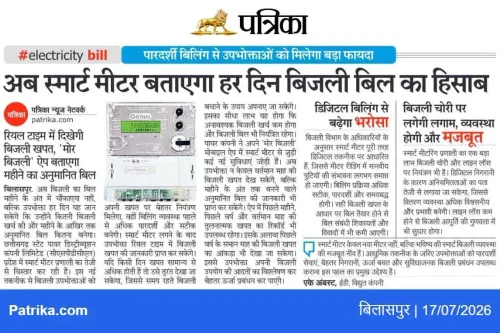
A three-month comparative study has put a number on a rumour — and the rumour lost. Chhattisgarh State Power Distribution Company Limited (CSPDCL) surveyed electricity consumers across three cities and found no evidence that smart meters inflate power consumption, the Chief Minister's Office of Chhattisgarh announced on Tuesday, 28 July 2026.
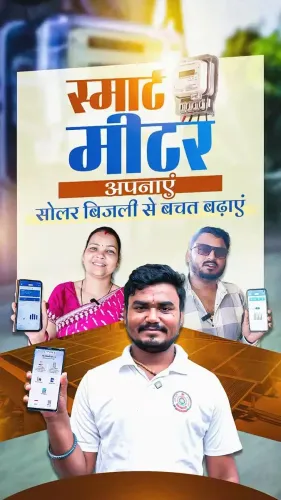
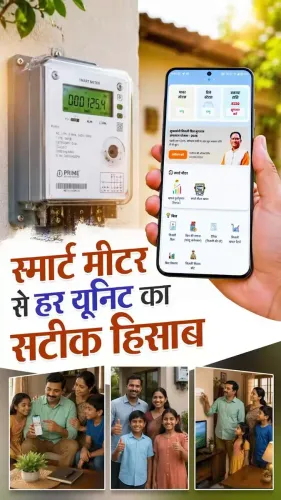
The CMO's post states plainly: 'स्मार्ट मीटर से बिजली खपत नहीं बढ़ती' ('smart meters do not increase electricity consumption'). The study, conducted across Raipur, Bilaspur, and Durg, concluded that smart meters measure actual consumption accurately and transparently, ensuring correct billing — directly rebutting the misconceptions and rumours that have circulated since deployment began.
What the three-city survey found
CSPDCL's comparative study covered Chhattisgarh's capital Raipur, the commercial hub Bilaspur, and the industrial city Durg — a cross-section of the state's urban electricity base. The core finding: smart meters record what consumers actually use, no more. The utility positioned the study as a direct counter to public resistance that has accompanied smart meter rollouts in the state.Why resistance to smart meters is a national pattern
Chhattisgarh is not alone. State electricity utilities across India have faced consumer pushback during smart meter deployment, with a common fear that the new devices run faster than conventional meters and generate higher bills. Distribution companies have repeatedly used data-backed comparative studies to address this perception gap. The broader policy context runs deep. India's power sector reform agenda — anchored by the Ujjwal DISCOM Assurance Yojana (UDAY) launched in 2015 — set explicit targets for smart metering as a tool to reduce aggregate technical and commercial losses. Accurate metering is the first line of defence against revenue leakage that has historically burdened state DISCOMs.Raipur, Bilaspur, Durg: next steps for coverage
With three cities now covered by comparative data, the question turns to scale. Expansion of smart meter coverage to additional towns in Chhattisgarh — and state-level data releases on billing efficiency and consumer complaint trends — will be the clearest signal of how far this programme travels beyond its current urban footprint. The data is in. Now Chhattisgarh's power utility has to convince the consumer holding the bill that the meter telling the truth is not the enemy.Point of View
Not just an operational one. Framing the rollout as 'Sushasan Sarkar' (good governance) ties metering accuracy directly to the ruling government's credibility. Nationally, DISCOMs that have led with data — rather than mandates — have seen faster consumer acceptance, and Chhattisgarh appears to be adopting that playbook. The real test will be whether the three-city findings translate into measurable reductions in consumer complaints as coverage expands.
NationPress
28 Jul 2026
Frequently Asked Questions
Do smart meters increase electricity bills in Chhattisgarh?
No. A three-month comparative study by CSPDCL across Raipur, Bilaspur, and Durg found that smart meters measure actual consumption accurately and do not increase electricity usage or bills.
What is CSPDCL and what did its smart meter survey find?
CSPDCL is the Chhattisgarh State Power Distribution Company Limited, the state-owned electricity distributor. Its survey found smart meters provide accurate, transparent billing with no artificial inflation of consumption figures.
Which cities were covered in the CSPDCL smart meter study?
The three-month study covered Raipur, Bilaspur, and Durg — three major urban centres in Chhattisgarh representing capital, commercial, and industrial zones respectively.
What is the UDAY scheme and how does it relate to smart meters?
The Ujjwal DISCOM Assurance Yojana (UDAY), launched in 2015, is India's power sector reform programme that set targets for smart metering to reduce distribution losses and improve billing accuracy across state utilities.
Why do people think smart meters show higher electricity consumption?
A common misconception is that smart meters run faster than conventional meters, generating inflated bills. Utilities like CSPDCL use comparative data studies to counter this perception, which has been a widespread concern during smart meter rollouts across India.