Gujarat moves 20 key govt services to Digital Gujarat portal with Aadhaar verification
Synopsis
Gujarat's Cabinet has quietly moved 20 of its most-used citizen services — from income and caste certificates to ration card management — onto the Digital Gujarat portal with mandatory Aadhaar authentication, promising a paperless, document-free experience while building in fallback options for those without Aadhaar. The shift reflects a broader push toward verifiable, leakage-free welfare delivery.
Key Takeaways
Gujarat Cabinet approved the integration of 20 high-use services into the Digital Gujarat portal on 29 April 2025 .
Aadhaar authentication — via OTP or biometrics — is now mandatory for accessing these services.
Successful authentication eliminates the need for additional identity or residence documents .
Citizens without Aadhaar or facing technical failures will not be denied service ; alternative documents will be accepted.
Only masked Aadhaar showing the last four digits will be visible; all UIDAI security guidelines will be followed.
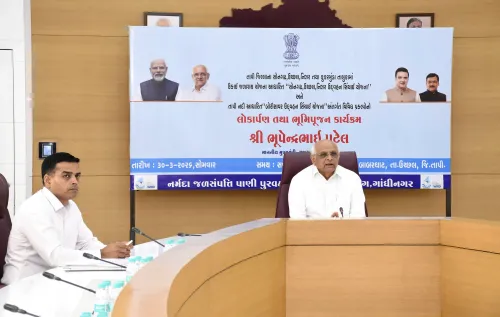
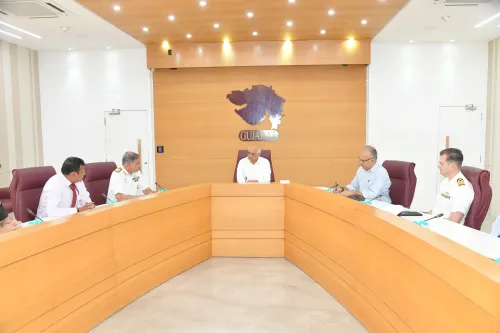
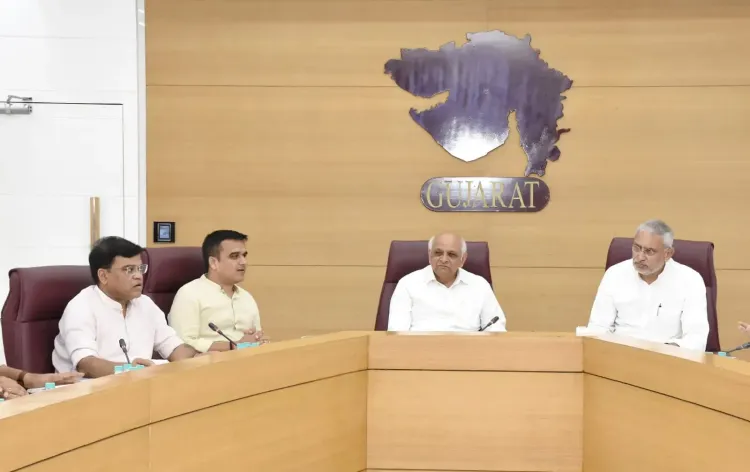
The Gujarat government has integrated its 20 most frequently accessed public services into the 'Digital Gujarat' portal with mandatory Aadhaar authentication, aiming to streamline delivery and ensure benefits reach only eligible beneficiaries. The decision was formalised at a Cabinet meeting held in Gandhinagar on Wednesday, 29 April, under the chairmanship of Chief Minister Bhupendra Patel.
Key Services Brought Under the Portal
The services designated under the 'Top-20' high-volume category span a wide range of citizen needs. These include income certificates for rural, urban, and Gram Panchayat applicants; caste certificates for Scheduled Castes and Scheduled Tribes; non-creamy layer certificates under both state and central government categories; socially and educationally backward class (SEBC) certificates; and economically weaker section (EWS) certificates for rural and urban applicants.
Also included are a comprehensive set of ration card services — covering addition and deletion of names, corrections, issuance of new cards, applications for separate or duplicate cards, requests for copies, and issuance of affidavits and related documentation.
How Aadhaar Authentication Will Work
According to government spokesperson and Minister Jitu Vaghani, Aadhaar authentication will be carried out either through a one-time password (OTP) sent to the Aadhaar-linked mobile number or through biometric verification where facilities are available. Crucially, prior consent of the applicant will be required before authentication is initiated.
Once authentication is completed successfully, applicants will not need to submit any additional documents as proof of identity or residence, making the process paperless and significantly simpler. The move follows recommendations of the Gujarat Administrative Reforms Commission (GARC) and is intended to make citizen services more transparent, accurate, and efficient, Vaghani said.
Safeguards for Inclusivity and Data Security
The government has introduced explicit safeguards to prevent exclusion.
Point of View
And patchy mobile connectivity in rural areas. The stated fallback to alternative documents is the right safeguard on paper — but whether frontline officials honour it without creating friction is a separate question. The GARC recommendation gives the reform institutional backing, yet the absence of a public grievance redressal timeline or an audit mechanism for authentication failures means accountability remains thin.
NationPress
18 Sept 2026
Frequently Asked Questions
Which services have been moved to the Digital Gujarat portal with Aadhaar verification?
Twenty high-use services have been integrated, including income certificates, caste certificates (SC/ST), non-creamy layer certificates, SEBC certificates, EWS certificates, and a full range of ration card services such as new issuance, name additions/deletions, corrections, and duplicate card requests.
How will Aadhaar authentication be carried out on the Digital Gujarat portal?
Authentication will be done either through a one-time password sent to the Aadhaar-linked mobile number or through biometric verification where facilities are available. Prior consent of the applicant is mandatory before the process begins.
What happens if a citizen does not have an Aadhaar card or authentication fails?
Citizens without an Aadhaar card or those facing authentication failure due to technical reasons will not be denied service. Verification will instead be carried out through alternative identity documents, according to Minister Jitu Vaghani.
How is citizen data protected under the new system?
The full Aadhaar number will not be displayed at any stage. Only a masked version showing the last four digits will be visible where required, and all UIDAI security guidelines will be strictly followed.
Why did the Gujarat government make this change?
The decision follows recommendations of the Gujarat Administrative Reforms Commission (GARC) and is aimed at making citizen services more transparent, accurate, and efficient, while ensuring that benefits reach only eligible beneficiaries.