Gujarat Achieves Remarkable FMD Control with 3% Spread and 80% Herd Immunity
Synopsis
Gujarat is making strides in combating Foot and Mouth Disease, achieving a remarkable 3% spread and 80% herd immunity by 2025. This success is driven by dedicated vaccination efforts, promising a brighter future for farmers and livestock health.
Key Takeaways
FMD spread reduced to 3% in Gujarat.
80% herd immunity achieved by 2025.
Mass vaccination drives are key to success.
Economic losses from FMD estimated at Rs 24,000 crore annually.
Digital tracking enhances disease control efforts.
Gandhinagar, March 18 (NationPress) Gujarat has successfully curtailed the transmission of Foot and Mouth Disease (FMD) among livestock to just 3 percent while achieving a herd immunity level of approximately 80 percent by the year 2025, as reported by state officials. This significant advancement is attributed to ongoing comprehensive vaccination initiatives.
This progress aligns with India's objective to eliminate FMD by 2030, as part of a nationwide vaccination effort spearheaded by Prime Minister Narendra Modi.
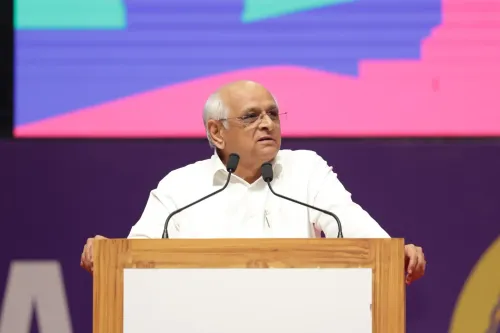
In the state, the initiative is being executed under the guidance of Chief Minister Bhupendra Patel, aimed at enhancing animal health and boosting farmers' incomes.
Officials noted that Gujarat's robust performance in milk production is closely linked to consistent veterinary support and disease management strategies. Local farmers emphasize that regular vaccinations are vital for their agricultural livelihoods.
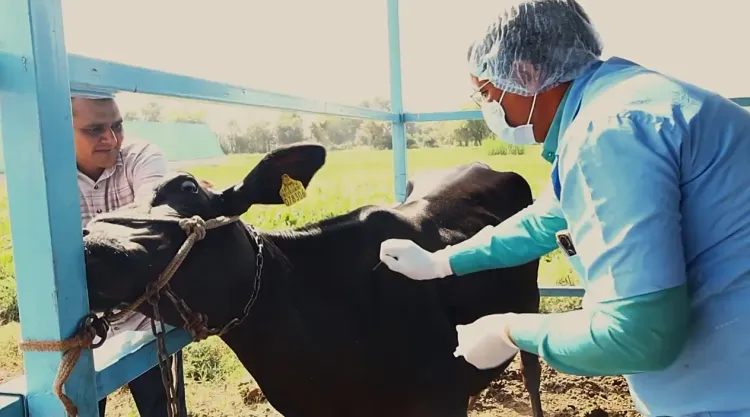
Jigar Patel, a 42-year-old farmer from Lodra village in Mansa taluka of Gandhinagar district, expressed his reliance on the biannual visits from the Animal Husbandry Department to ensure his livestock is vaccinated. He stated, “I own 32 animals, and maintaining their health is crucial for my milk production. FMD can significantly lower milk yields. Thankfully, the Animal Husbandry Department team visits my farm every six months to vaccinate them free of charge.”
According to Mahendra Patel, the secretary of the Lodra village milk producers’ cooperative society, vaccination efforts in the village are making steady progress.
“With over 1,700 animals in Lodra village, our vaccination against FMD is currently ongoing, and approximately 50 percent of the livestock has already been vaccinated,” he commented.
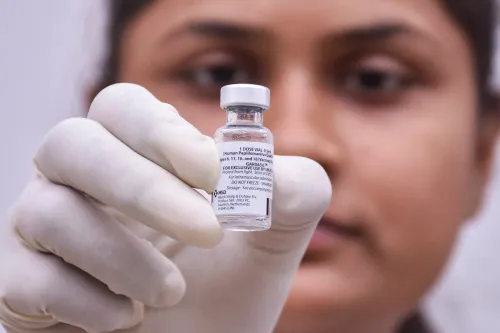
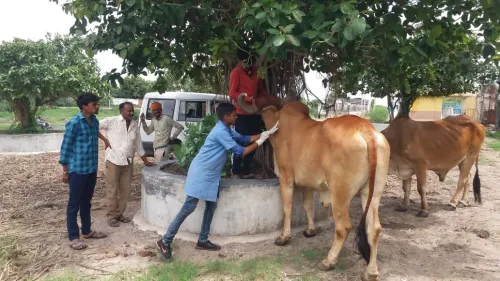
Throughout the state, numerous personnel from the Animal Husbandry Department and dairy cooperatives are actively conducting vaccinations in villages, farms, and cattle shelters.
This initiative is part of the Central Government's Livestock Health and Disease Control Programme, which targets the control and eradication of significant animal diseases.
The National Animal Disease Control Programme, launched on September 11, 2019, is entirely financed by the central government and executed with state-level technical assistance.
Dr. Falguni Thakar, Director of the Gujarat Animal Husbandry Department, announced that a new vaccination campaign commenced on March 1 this year.
“This vaccination is conducted biannually. The success of this campaign can be gauged by the reduction in disease outbreaks and the decreased spread of the virus, as evidenced by dwindling NSP antibody levels,” she stated.
She further noted that the number of reported cases in the state has remained low in recent years.
“In recent years, only isolated cases have been noted, and these have generally been mild. Thanks to vaccination efforts, the virus spread is limited to only 3 percent in 2025, while herd immunity has reached up to 80 percent. This clearly illustrates the effectiveness of vaccination and biosecurity strategies,” she explained.
FMD is a highly contagious viral condition that causes fever and sores in animals' mouths and feet, leading to decreased appetite, weight loss, and reduced milk production, resulting in substantial financial losses for farmers.
Gujarat is home to an estimated livestock population of around 2 crore cows and buffaloes, with 1.71 crore animals being eligible for vaccination against this disease.
In the financial year 2025–26, the state is executing two rounds of vaccinations covering a total of 337.52 lakh animals.
Officials have indicated that disease management measures are also bolstered by digital monitoring.
Under the National Digital Livestock Mission, animals are being affixed with unique 12-digit ear tags and registered on the Bharat Pashudhan portal, enabling authorities to track health records and vaccination status.
Animal husbandry is a pivotal aspect of the rural economy, and officials highlighted that minimizing FMD occurrences could enhance India’s position in the global dairy export market.
The disease is estimated to incur annual economic losses of approximately Rs 24,000 crore nationwide.
Authorities anticipate that ongoing vaccination and biosecurity measures will further decrease disease outbreaks, enhance milk production, and improve rural incomes, while also contributing to the larger goal of disease eradication.
Point of View
Gujarat's achievements in managing Foot and Mouth Disease reflect a significant commitment to improving livestock health and supporting farmers. The effective vaccination programs not only safeguard animal welfare but also bolster rural economies, presenting a model for other states to emulate in the quest for agricultural sustainability.
NationPress
22 Sept 2026
Frequently Asked Questions
What is Foot and Mouth Disease?
Foot and Mouth Disease (FMD) is a highly contagious viral infection affecting cloven-hoofed animals, causing fever and blisters, which can lead to decreased milk production and significant economic losses for farmers.
How effective has Gujarat's vaccination campaign been?
Gujarat's vaccination campaign has reduced the spread of FMD to 3% and achieved 80% herd immunity by 2025, showcasing the effectiveness of mass immunization efforts.
What are the economic implications of FMD?
FMD is estimated to cause annual economic losses of about Rs 24,000 crore across India, affecting farmers' incomes and the overall dairy market.
How is the vaccination program implemented in Gujarat?
The vaccination program in Gujarat is conducted biannually by the Animal Husbandry Department, with free vaccinations provided to farmers to ensure the health of their livestock.
What is the role of digital tracking in disease control?
Digital tracking under the National Digital Livestock Mission allows authorities to monitor livestock health records and vaccination status through unique ear tags and the Bharat Pashudhan portal.