How is Gujarat Empowering Girls through ‘Balika Panchayat’ in 13,000 Villages?
Click to start listening
Synopsis
In a groundbreaking initiative, Gujarat establishes ‘Balika Panchayats’ in over 13,000 villages, empowering young girls through leadership training and democratic education. This program, inspired by national campaigns, aims to foster self-reliance and combat gender disparities. Learn how this model is transforming the futures of countless girls across the state.
Key Takeaways
- Gujarat has launched ‘Balika Panchayats’ in over 13,000 villages.
- The initiative aims to enhance leadership skills among girls.
- It serves as a model for democratic education.
- Collaboration with UNICEF supports training programs.
- Addressing social issues like gender discrimination and child marriage.
Ahmedabad, Jan 23 (NationPress) In an ambitious initiative to enhance leadership capabilities among young girls and to introduce them to the principles of democracy, the Gujarat government has established ‘Balika Panchayats’ in more than 13,000 gram panchayats throughout the state.
This groundbreaking initiative positions Gujarat as the first state in India to adopt such a comprehensive approach on a statewide level.
Initially launched as a pilot project in the villages of Mota Angiya and Maska in Kutch district, the programme has now expanded to encompass every district in Gujarat. The Balika Panchayat initiative is designed to provide girls with a tangible understanding of democratic governance, civic engagement, and their roles as active participants in their communities from an early age.
Inspired by Prime Minister Narendra Modi’s ‘Beti Bachao, Beti Padhao’ campaign, the state government has been dedicated to improving the status of girls by promoting their birth, education, and fostering their journey towards self-reliance. The Balika Panchayat model is recognized as a significant milestone in this ongoing effort.
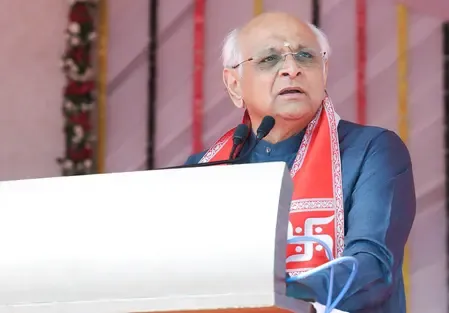
Under the leadership of Chief Minister Bhupendra Patel and Women and Child Development Minister Dr. Manisha Vakil, the state has ramped up initiatives aimed at enhancing education, awareness, and empowerment among girls. Notably, National Girl Child Day, recognized nationwide since 2008 on January 24, aims to address gender disparities and improve access to education, health, and equal opportunities for girls.
This year's theme focuses on empowering girls for a brighter future. To facilitate the implementation of Balika Panchayats, the state, in partnership with UNICEF, has created a detailed ‘Balika Panchayat Training Module’. This module addresses vital topics such as nutrition, anaemia, gender discrimination, leadership skills, Panchayati Raj institutions, child rights, safety laws, adolescent health, and the physical changes experienced during adolescence.
In the initial phase, Training of Trainers (ToT) programmes were conducted for Integrated Child Development Services (ICDS) and women welfare personnel, with support from UNICEF. The second phase aims to train over 1,900 master trainers across districts in clusters. These master trainers will reach out to girls in the most remote areas, thereby reinforcing grassroots empowerment.
The state government has reiterated its commitment to combat social issues such as female foeticide, child marriage, and child labour while ensuring equal opportunities for girls. Officials emphasized that National Girl Child Day is not just a symbolic observance but a testament to the state’s determination to uphold the dignity, rights, and future aspirations of every girl child.
Point of View
Gujarat's ‘Balika Panchayat’ initiative stands as a commendable effort to empower girls and foster their participation in governance. It reflects a significant step towards addressing gender inequality and ensuring that young women have a platform to voice their aspirations and contribute to societal development. This model should serve as an inspiration for other states to adopt similar measures.
NationPress
23/01/2026
Frequently Asked Questions
What is the purpose of Balika Panchayats?
Balika Panchayats aim to empower young girls by providing them with leadership training, democratic education, and a platform to participate in governance.
How many villages in Gujarat are implementing this initiative?
The Balika Panchayat initiative has been established in over 13,000 gram panchayats across Gujarat.
Who supports the training for Balika Panchayats?
The training modules for Balika Panchayats have been developed in collaboration with UNICEF.
What issues does the training module address?
The training module covers critical areas like nutrition, gender-based discrimination, child rights, and adolescent health.
How does this initiative align with national campaigns?
This initiative is inspired by the ‘Beti Bachao, Beti Padhao’ campaign, focusing on improving the status and empowerment of girls in society.