Gujarat seals 4 warehouses in Mehsana over cattle-feed adulteration; ₹25 crore stock at risk
Synopsis
Gujarat's animal husbandry department sealed four NCDEX-linked warehouses in Mehsana overnight, locking down over 1.58 lakh bags of suspected adulterated cottonseed cake worth ₹25 crore at a single site. With a new animal feed quality law freshly assented by the Governor, the state appears ready to move from warnings to prosecutions — and the lab results will determine just how far.
Key Takeaways
The Gujarat government sealed four warehouses in Mehsana district on 11 October 2026 following surprise raids in the Kadi area.
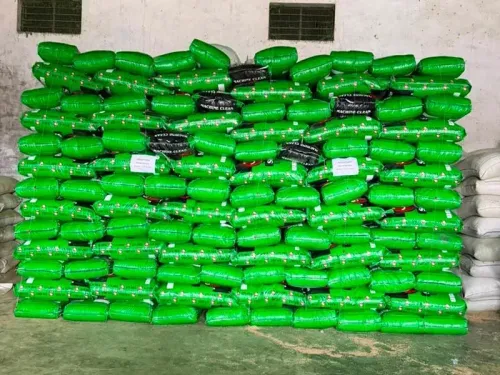
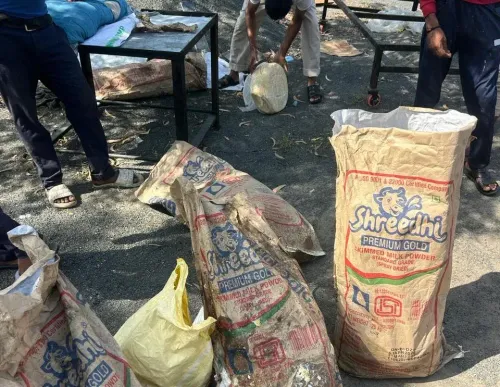
More than 1,58,500 bags of suspected adulterated cottonseed cake were found across the four facilities, all reportedly linked to the NCDEX group .
Stock at the LTC Warehouse, Linch — approximately 63.41 lakh kg — is valued at ₹25 crore and is suspected to be expired and adulterated.
Samples have been sent for urgent laboratory analysis; physical stock is being verified against warehouse records on 12 October .
Animal Husbandry Minister Jitu Vaghani warned of legal penalties, licence cancellations, and imprisonment under a newly enacted Gujarat animal feed quality law.
Further action, including potential prosecutions, will depend on lab findings and stock verification outcomes.
The Gujarat government sealed four warehouses in Mehsana district on the night of 11 October 2026 after surprise inspections uncovered more than 1.58 lakh bags of suspected adulterated cottonseed cake, including a stock reportedly worth ₹25 crore at a single facility in Linch. The action was ordered by Animal Husbandry Minister Jitu Vaghani following a specific complaint about possible adulteration in animal feed in the Kadi area of Mehsana.
What the Inspections Found
According to the preliminary investigation, approximately 63.41 lakh kg of stock at the LTC Warehouse on Linch-Ambasan Road — estimated at ₹25 crore — was found to be expired and suspected to be adulterated. That warehouse alone accounted for around 1,28,622 bags of the total sealed stock.
Three other facilities were also covered in the sweep. At Bhavya Warehouse in Aldesan, officials found 14,125 bags, while Shubham Logistics Warehouse in the same village had 5,090 bags. Mahashakti Warehouse, also known as Amina Warehouse, in Nagrasan had 10,796 bags. The combined sealed stock exceeded 1,58,500 bags. All four warehouses are reportedly associated with the NCDEX group.
Who Conducted the Raids
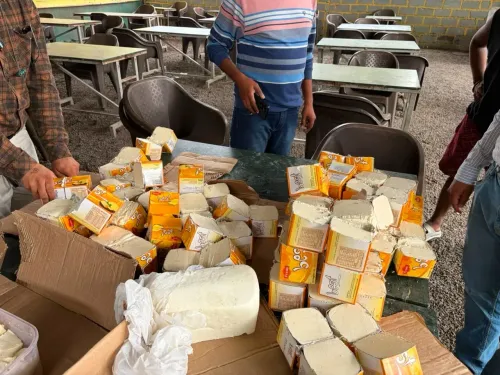
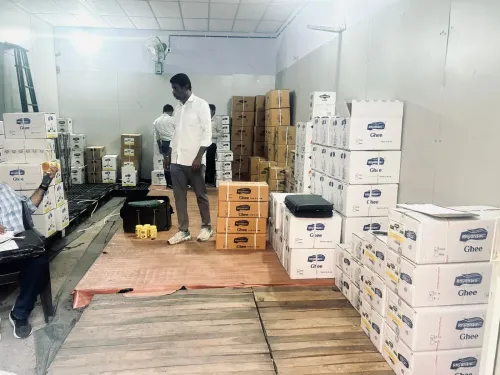
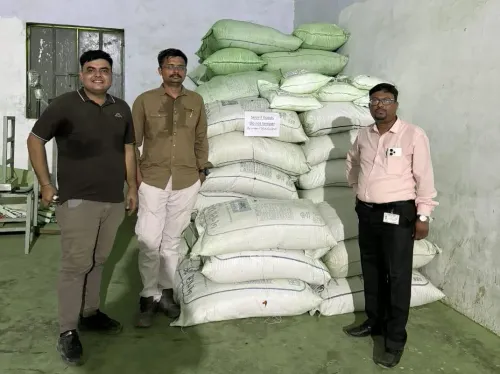
Joint teams from the Mehsana District Animal Husbandry Department, the Food and Drugs Control Administration (FDCA), the Kadi Mamlatdar's office, and veterinary services carried out the inspections under the direct supervision of the Mehsana Collector. Officials collected samples of the suspected cottonseed cake using scientific methods and dispatched them for urgent laboratory analysis. On 12 October, teams continued verifying physical stock against closing balances in warehouse records.
What the Government Said
Minister Vaghani had previously warned against adulteration at the annual general meeting of the Gujarat Cotton Seeds Crushers Association, making clear the state would not tolerate practices that endangered animal health or harmed livestock farmers. 'The priority of the government is to ensure that livestock farmers in the state receive pure, safe and quality feed for their animals,' Vaghani said.
He added that those found violating standards set by the Bureau of Indian Standards (BIS) and the Indian Council of Agricultural Research (ICAR), or selling adulterated and unfit feed, could face legal penalties, licence cancellations, and imprisonment under a newly enacted state law. The legislation has received the Governor's assent and its implementation is expected to begin shortly.
Background and What Comes Next
This crackdown comes in the context of Gujarat enacting dedicated animal feed quality legislation — a signal that the state intends to move beyond advisories to enforceable action. Cottonseed cake is a widely used protein supplement for dairy and livestock animals across Gujarat, one of India's largest milk-producing states, making adulteration a concern with far-reaching consequences for both animal health and the dairy economy.
All further action will depend on the laboratory results and the outcome of stock verification. If tests confirm adulteration, prosecutions and licence cancellations are expected under the new law.
Point of View
Not a small operator cutting corners. Cottonseed cake is the backbone of protein supplementation for Gujarat's dairy animals, and contamination ripples directly into milk yields and farmer incomes — the stakes extend well beyond a warehouse seizure. The credibility of this crackdown now rests entirely on how quickly the labs report and whether prosecutions follow; a pattern of raids without convictions would blunt the deterrent the new law is meant to create.
NationPress
13 Oct 2026
Frequently Asked Questions
Why did the Gujarat government seal four warehouses in Mehsana?
The Gujarat government sealed four warehouses in Mehsana district on 11 October 2026 after surprise inspections found over 1.58 lakh bags of suspected adulterated cottonseed cake, including expired stock worth ₹25 crore at a facility in Linch. The raids were ordered by Animal Husbandry Minister Jitu Vaghani following a specific complaint about animal feed adulteration in the Kadi area.
Which warehouses were sealed and how much stock was found?
Four warehouses were sealed: LTC Warehouse on Linch-Ambasan Road (approximately 1,28,622 bags), Bhavya Warehouse in Aldesan (14,125 bags), Shubham Logistics Warehouse in Aldesan (5,090 bags), and Mahashakti (Amina) Warehouse in Nagrasan (10,796 bags). All four are reportedly associated with the NCDEX group, and the combined sealed stock exceeded 1,58,500 bags.
What is cottonseed cake and why does adulteration matter?
Cottonseed cake is a protein-rich byproduct of cotton oil extraction, widely used as animal feed for dairy cattle and livestock across Gujarat. Adulteration or use of expired feed can harm animal health, reduce milk yields, and cause economic losses for livestock farmers — a serious concern in one of India's largest milk-producing states.
What penalties can those responsible face under the new Gujarat law?
Under a newly enacted Gujarat animal feed quality law — which has received the Governor's assent and is expected to take effect shortly — violators can face legal penalties, cancellation of licences, and imprisonment. Minister Jitu Vaghani specifically cited non-compliance with Bureau of Indian Standards (BIS) and Indian Council of Agricultural Research (ICAR) norms as grounds for action.
What happens next in this case?
Laboratory analysis of the collected samples and verification of physical stock against warehouse records are currently under way. Further action, including potential prosecutions and licence cancellations, will be determined by the lab findings and the outcome of stock verification expected in the coming days.