Gujarat: 3,548 kg fennel seeds laced with banned dye seized in Unjha
Synopsis
Gujarat's food safety squad raided a factory in Unjha — India's fennel seed trading hub — and seized 3,548 kg of seeds allegedly dyed with a banned green colourant. The factory had no valid food licence. With lab results pending, legal action looms and the case spotlights adulteration risks at the heart of India's spice supply chain.
Key Takeaways
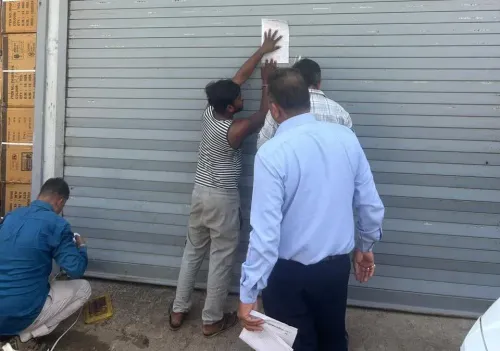
Gujarat FDRA flying squad raided Ganpati Cleaning Factory in Unjha, Mehsana on Friday, 23 May 2025 .
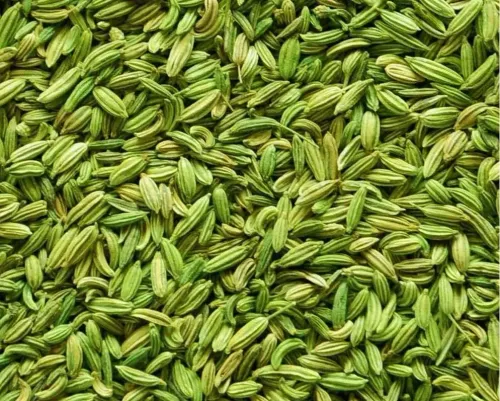
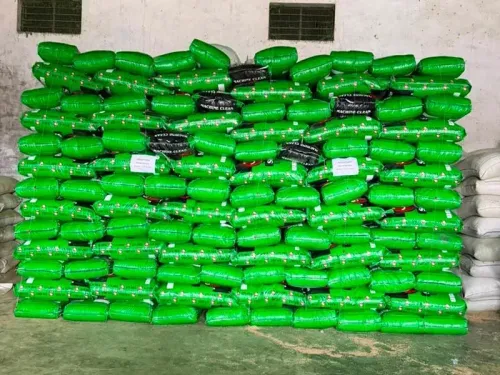
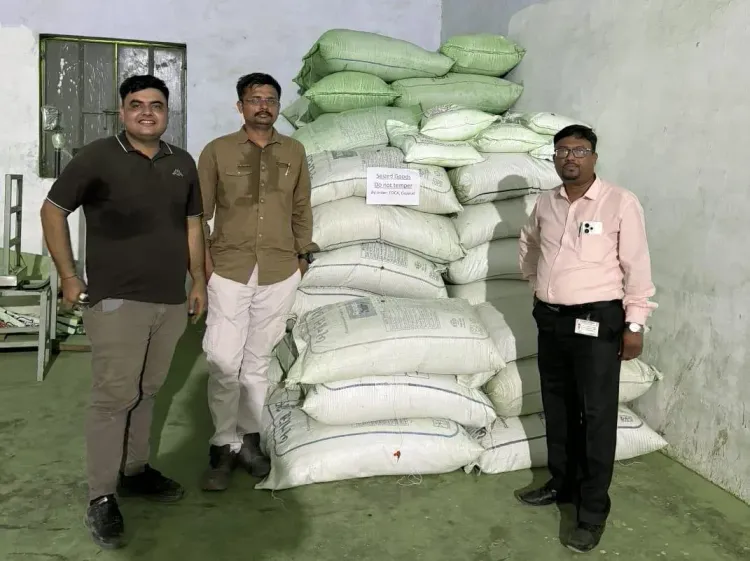
3,548 kg of loose fennel seeds allegedly mixed with a prohibited green dye were seized, along with 140 kg of the adulterant colourant.
The seized stock is valued at approximately ₹3.30 lakh .
The factory was found operating without a valid food licence from the competent authority.
Samples have been sent to a laboratory; legal action against owners will follow once results are received.
The drive is being conducted under State Health Minister Praful Pansheriya's directions, with the government citing a 'zero tolerance' policy on adulteration.
Gujarat's Food and Drug Regulatory Authority (FDRA) flying squad on Friday raided Ganpati Cleaning Factory in Unjha, Mehsana district, seizing 3,548 kilograms of loose fennel seeds allegedly mixed with a prohibited green colouring agent to artificially enhance their appearance. The operation, confirmed by officials on Saturday, 23 May, also uncovered 140 kilograms of the banned adulterant dye on the premises. The total estimated value of the seized stock stands at approximately ₹3.30 lakh.
What the Raid Uncovered
The FDRA flying squad, dispatched from Gandhinagar, conducted a surprise inspection at the factory as part of a statewide enforcement drive against food adulteration. Preliminary findings indicated that the prohibited green colour was being blended into fennel seeds to give them a visually appealing hue before they were distributed in the market.
Investigators additionally found that the factory operators did not hold a valid food licence from the competent authority for manufacturing food products at the site — a separate regulatory violation compounding the adulteration charge.
Samples Sent for Lab Analysis
Authorities seized the entire stock and dispatched samples of both the fennel seeds and the green colouring substance to a government laboratory for testing and analysis. Officials said formal legal proceedings against the factory owners will be initiated once the laboratory report is received.
The seized material reportedly poses risks to public health, given that the colouring agent used is prohibited under food safety regulations. The absence of a valid licence also suggests the unit may have been operating outside the formal regulatory framework.
Government's Zero-Tolerance Stance
The action was carried out under directions from Gujarat State Health Minister Praful Pansheriya, who has been overseeing a statewide special drive against food adulteration. Pansheriya directed officials to pursue strict action under relevant legal provisions once the laboratory findings are submitted.
'Strict and punitive action against illegal activities and adulterators will continue in the future as well,' Pansheriya said, reiterating the state government's commitment to protecting public health through continuous inspections and monitoring.
Broader Enforcement Drive
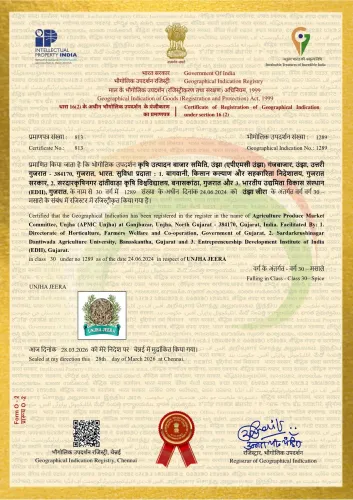
The Gujarat Food and Drug Regulatory Authority has been conducting inspections and enforcement operations across multiple districts as part of sustained efforts to curb the sale and distribution of adulterated food products. This raid in Unjha — a town known as a major hub for spice and seed trading — is among the latest in a series of targeted actions under the statewide campaign. Notably, Unjha accounts for a significant share of India's fennel seed trade, making adulteration at this node a concern with potential supply-chain implications well beyond Mehsana.
With lab results pending, the full scale of the alleged adulteration network and the extent of market distribution remain to be established.
Point of View
Handling a disproportionate share of national volumes. Adulteration detected at this node does not stay local; it travels downstream into retail markets across multiple states. The absence of a valid food licence at the raided factory raises a harder question: how many similar units are operating in the same cluster without regulatory oversight? A one-off raid and a pending lab report are necessary but not sufficient. The FDRA's statewide drive will only have lasting impact if it moves from reactive enforcement to systematic licence audits of the hundreds of cleaning and processing units concentrated in Unjha's spice belt.
NationPress
25 Sept 2026
Frequently Asked Questions
What was seized in the Unjha food adulteration raid?
Gujarat's FDRA flying squad seized 3,548 kg of loose fennel seeds allegedly mixed with a prohibited green colouring agent, along with 140 kg of the banned dye itself, from Ganpati Cleaning Factory in Unjha, Mehsana. The total estimated value of the seized stock is around ₹3.30 lakh.
Why is the use of this green colour in fennel seeds illegal?
The green colouring agent found at the factory is classified as a prohibited substance under Indian food safety regulations. Its use in food products is banned because such synthetic dyes can pose health risks to consumers and are used solely to make inferior or older stock appear fresh and marketable.
What action will be taken against the factory owners?
Authorities have sent samples of the fennel seeds and the colouring agent to a government laboratory for analysis. Formal legal proceedings under relevant food safety laws will be initiated against the factory owners once the laboratory report is received, as directed by Health Minister Praful Pansheriya.
Why does this raid matter beyond Mehsana district?
Unjha is one of India's largest hubs for fennel seed trading and processing. Adulteration at this point in the supply chain can affect markets across multiple states, making the enforcement action significant for food safety nationally, not just locally.
Was the factory operating legally?
No. Investigators found that the factory operators did not possess a valid food licence issued by the competent authority for manufacturing food products at the premises, constituting an additional regulatory violation beyond the adulteration charges.