Gujarat Mobile Forensic Vans cover 37,269 crime scenes in two years
Synopsis
Gujarat's 47 Mobile Forensic Vans logged 37,269 crime scene visits in two years — from murder and POCSO cases to explosions — functioning as rolling laboratories at a moment when India's new criminal laws have made forensic evidence mandatory for serious offences. The numbers reveal both the scale of the state's scientific policing push and the volume of violent and sensitive crime it is responding to.
Key Takeaways
Gujarat's 47 Mobile Forensic Vans attended 37,269 crime scenes over two years, according to state government data released on 2 July .
Fatal and life-threatening incidents accounted for the highest share at 9,022 deployments; 3,746 visits covered rape, POCSO and child abuse cases.
28 of the 47 vans were upgraded in 2024 in line with Union Ministry of Home Affairs guidelines.
Each van carries 12 specialised kits covering DNA, narcotics, explosives, gunshot residue and fire investigation, among others.
India's new criminal laws now mandate forensic investigation for offences carrying imprisonment of more than seven years , increasing reliance on field forensic units.
The Gujarat Forensic Sciences University (GFSU) , which anchors the state's forensic ecosystem, has been granted Central University status.
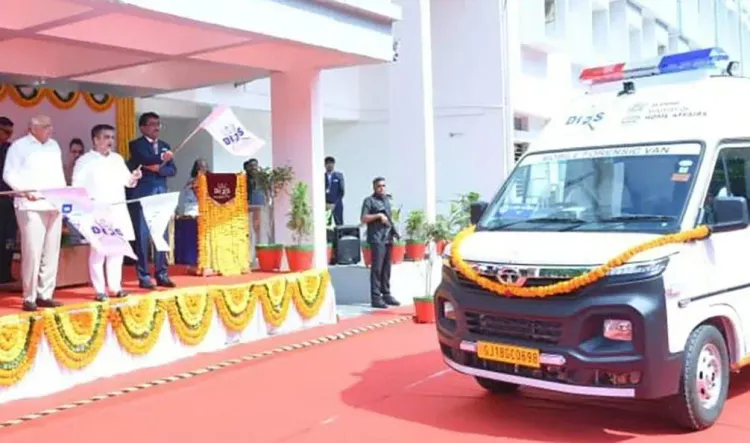
Gujarat's fleet of 47 Mobile Forensic Vans (MFVs) attended 37,269 crime scenes over the past two years, functioning as on-site mini laboratories that allow investigators to collect, preserve and preliminarily analyse evidence before samples reach a formal lab. The state government released the figures on Thursday, 2 July, as forensic evidence takes on heightened legal weight under India's new criminal laws.
Scale of Deployment
The 47 MFVs are spread across Gujarat, covering a wide spectrum of crime categories. Fatal and life-threatening incidents drew the highest number of van deployments at 9,022 cases, followed by 10,457 visits for accidental deaths, custodial deaths, unnatural deaths and suspicious incidents. Rape, Protection of Children from Sexual Offences (POCSO) and child abuse cases accounted for 3,746 deployments, while fire incidents drew 2,893 responses.
Other categories included 2,758 house-breaking and theft cases, 1,968 narcotics cases, 1,583 attempted murder cases, 1,529 murder investigations, 728 robbery cases, 154 firing incidents and 43 explosion cases.
Equipment and Scientific Capability
Each van carries 12 specialised scientific kits, covering DNA and sexual assault evidence collection, narcotics screening, explosives screening, gunshot residue analysis, fire investigation and footprint and tyre impression casting. The vehicles are equipped with stereo microscopes, DSLR cameras, GPS-enabled body-worn camera systems, laptops, printers, mini refrigerators, LED screens, high-intensity forensic light sources and generator sets.
This equipment enables on-scene examination of bloodstains, biological samples, fingerprints, footprints, tyre marks, gunshot residue, narcotics, explosive residues, burnt materials, hair, fibres, soil samples and glass fragments — reducing the window during which evidence can be contaminated or lost.
Upgrades and Compliance
Officials noted that 28 of the 47 vans were upgraded in 2024 in line with guidelines issued by the Union Ministry of Home Affairs. The use of body-worn cameras, DSLR photography and CCTV-based documentation has also strengthened scientific recording standards at crime scenes, according to the government.
Officials underlined that the vans' role is 'particularly significant in rape and POCSO investigations, where the timely identification and collection of biological evidence is essential.'
Legal Backdrop and Institutional Context
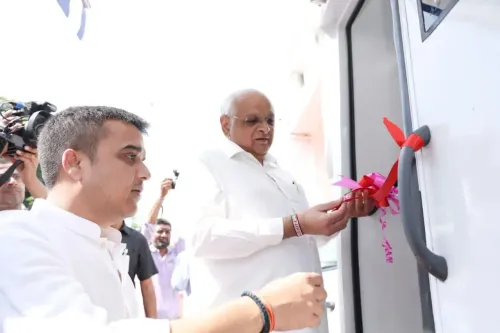
The push comes as India's new criminal laws have made forensic investigation mandatory for offences punishable with imprisonment of more than seven years, significantly raising the evidentiary bar in courts. Gujarat's forensic infrastructure traces back to the founding of the Gujarat Forensic Sciences University (GFSU), which has since been granted Central University status. The MFV programme is being carried forward under Chief Minister Bhupendra Patel.
With forensic mandates now embedded in statute, the pressure on states to maintain credible, well-equipped field units is only set to grow.
Point of View
269 figure is operationally impressive, but the more significant signal is structural: India's new criminal laws have made forensic evidence mandatory for serious offences, which means states without credible field forensic capacity now face a legal — not just investigative — deficit. Gujarat's MFV network is ahead of most states, yet the data also surfaces a sobering picture of crime volume, with over 3,700 POCSO and rape deployments and 43 explosion responses in just two years. The real test of these vans is not attendance but outcome — whether the evidence they collect is holding up in court and securing convictions. That number, conspicuously absent from the government's release, is the one that matters most.
NationPress
1 Oct 2026
Frequently Asked Questions
What are Gujarat's Mobile Forensic Vans and what do they do?
Gujarat's Mobile Forensic Vans are specially equipped vehicles that function as on-site mini laboratories, allowing forensic personnel to collect, preserve and conduct preliminary analysis of crime scene evidence before samples are sent to a formal laboratory. The state currently operates 47 such vans across Gujarat, each carrying 12 specialised scientific kits.
How many crime scenes did Gujarat's forensic vans attend in two years?
According to state government data released on 2 July, the 47 Mobile Forensic Vans attended 37,269 crime scenes over the past two years. Fatal and life-threatening incidents accounted for the highest share at 9,022 cases.
What types of crimes do the Mobile Forensic Vans respond to?
The vans respond to a wide range of incidents including murders, attempted murders, rape and POCSO cases, house-breaking, narcotics, fire incidents, robberies, firing incidents and explosions. They also attend accidental deaths, custodial deaths and other suspicious incidents requiring forensic examination.
Why has forensic evidence become more important under India's new criminal laws?
India's new criminal laws have made forensic investigation mandatory for offences punishable with imprisonment of more than seven years, significantly raising the role of scientific evidence in criminal proceedings. This has increased the pressure on states to maintain well-equipped field forensic units capable of securing evidence at the scene.
Were Gujarat's forensic vans recently upgraded?
Yes. According to the state government, 28 of the 47 Mobile Forensic Vans were upgraded in 2024 in accordance with guidelines issued by the Union Ministry of Home Affairs. The upgrades are aimed at aligning the vans with national forensic standards.