Gujarat's PM-FCT tracker links health, nutrition and education data in one platform
Synopsis
Gujarat has quietly launched what could become a national template for welfare data integration. The PM-Family Care Tracker in Gandhinagar links health, nutrition and education records from pregnancy to age 18 — collapsing three separate departmental ID systems into one. If the pilot delivers, it could reshape how India monitors maternal and child outcomes at scale.
Key Takeaways
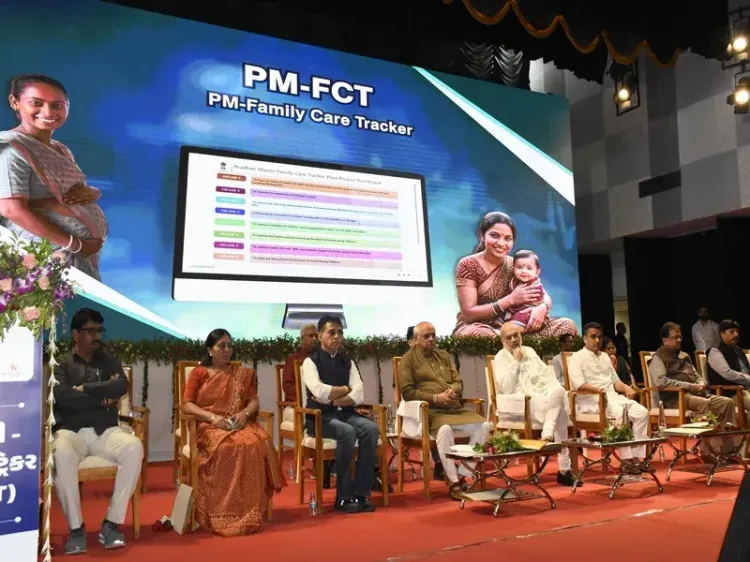
The PM-Family Care Tracker (PM-FCT) pilot has been launched in Gandhinagar Lok Sabha constituency , Gujarat.
The platform tracks beneficiaries from pregnancy to 18 years , covering health, nutrition and education data in a single system.
It integrates data from ICDS , RCH , Poshan Abhiyaan and school health programmes using BRN or ABHA ID as a common identifier.
Key indicators monitored include immunisation status , anaemia , BMI , birth weight , stunting , wasting and school dropout risk .
An automated 'smart triggers' alert system escalates risk flags to taluka, district and state authorities.
Following evaluation, the system is planned for expansion across Gujarat and potentially other states.
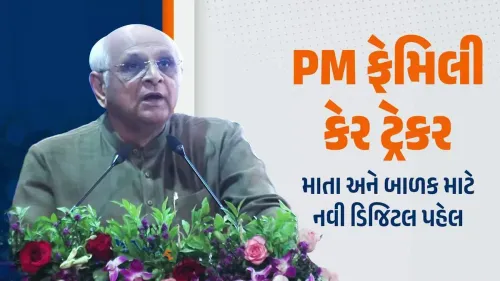
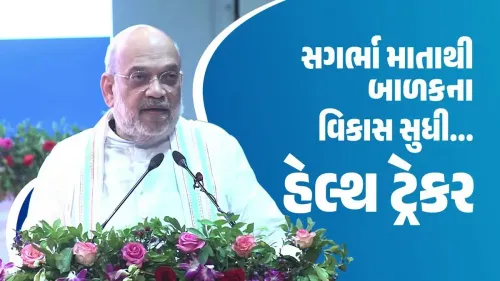
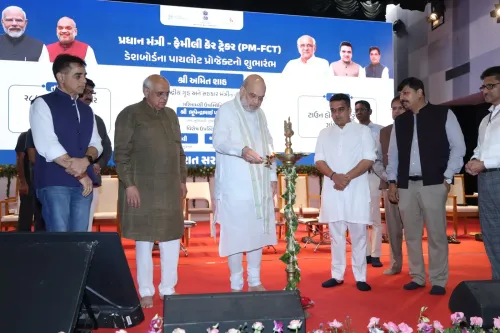
A pilot digital platform designed to unify health, nutrition and education data — from pregnancy through to adolescence — has been launched in Gujarat's Gandhinagar Lok Sabha constituency, marking a significant step in the state's effort to consolidate fragmented welfare monitoring into a single system. The initiative, called the PM-Family Care Tracker (PM-FCT), is positioned as an integrated data-based framework linking multiple government programmes that have until now operated in silos across different departments.
What the PM-FCT Platform Does
The PM-FCT is designed to track beneficiaries from pregnancy up to 18 years of age, covering pregnant women, lactating mothers and children across the full developmental cycle. It draws data from several existing schemes — including the Integrated Child Development Services (ICDS), the Reproductive and Child Health (RCH) programme, Poshan Abhiyaan and school health initiatives — consolidating them into a single beneficiary profile.
At present, Gujarat's departments maintain entirely separate identification systems. The Women and Child Development Department relies on Aadhaar numbers and Poshan Tracker IDs; the Health Department operates through the TeCHO+ system; and the Education Department uses its own Child Tracking System (CTS) IDs. Under the new framework, these datasets are proposed to be linked through a single identifier — either the Birth Registration Number (BRN) or the ABHA ID — enabling data sharing across all three departments.
Key Health and Nutrition Indicators Tracked
The platform is built to generate consolidated profiles monitoring parameters such as immunisation status, anaemia, body mass index (BMI) and birth weight, with particular attention to newborns with low birth weight. Anthropometric data will be used to flag cases of stunting, wasting and underweight conditions among children, alongside monitoring of supplementary nutrition schemes such as take-home rations.
For adolescent girls aged 14 to 18, the system will specifically track haemoglobin levels and BMI, with provision for nutritional and counselling support where indicators fall below threshold. Officials associated with the project said the integration is expected to allow continuous, real-time monitoring of welfare outcomes throughout a child's development.
Education Tracking and Dropout Risk Detection
Beyond health, the PM-FCT will track educational transitions — from enrolment in anganwadis and balvatikas through progression into formal schooling and retention rates. School attendance data will be analysed to identify early signs of dropout risk, with gender-based analysis included to study differences in dropout patterns between boys and girls.
Academic performance will be tracked through standardised assessments, including SAT scores, with schools showing a high proportion of low-performing students flagged for targeted intervention.
Smart Alerts and Administrative Escalation
A key feature of the platform is an automated alert mechanism described by officials as 'smart triggers' — notifications generated when risk indicators are detected. These alerts are designed to be escalated to relevant administrative levels, including taluka, district and state authorities, to ensure follow-up action is initiated and monitored until resolution. The system includes defined outcome indicators to assess performance, focusing on high-risk pregnancies, immunisation coverage, nutritional status and early childhood development outcomes.
Rollout and Expansion Plans
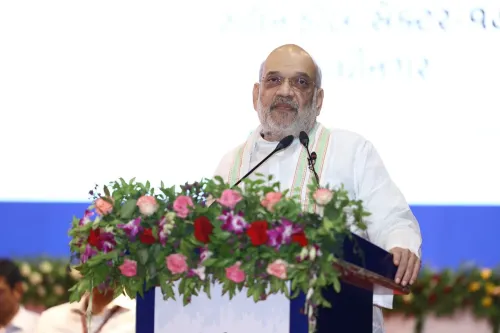
The pilot will initially operate within Gandhinagar Lok Sabha constituency, developed under the supervision of Union Home and Cooperation Minister Amit Shah. Following evaluation, authorities plan to expand the system across Gujarat and subsequently consider phased implementation in other states, depending on outcomes and requirements. Officials said the objective is to strengthen convergence between departments and improve the efficiency of welfare delivery by reducing data fragmentation and enabling real-time monitoring across key indicators.
Point of View
And children fall through the gaps precisely because no single system sees the whole picture. The harder question is execution — linking Aadhaar, ABHA, TeCHO+ and CTS IDs across departments requires not just technical plumbing but sustained bureaucratic cooperation, which past data-integration initiatives in India have struggled to maintain. If the Gandhinagar pilot produces verifiable improvements in immunisation coverage or dropout detection, the case for national scaling becomes compelling. If it stalls at the data-entry layer — as many such platforms have — it risks becoming another dashboard that nobody acts on.
NationPress
27 Sept 2026
Frequently Asked Questions
What is the PM-Family Care Tracker (PM-FCT)?
The PM-Family Care Tracker is a pilot digital platform launched in Gandhinagar Lok Sabha constituency, Gujarat, that integrates health, nutrition and education data from pregnancy through to 18 years of age into a single unified system. It links existing schemes such as ICDS, Poshan Abhiyaan and the RCH programme under one beneficiary profile using a common identifier — either the Birth Registration Number or ABHA ID.
Who is overseeing the PM-FCT initiative?
The PM-FCT has been developed under the supervision of Union Home and Cooperation Minister Amit Shah. The pilot is currently limited to Gandhinagar Lok Sabha constituency, with plans to expand statewide across Gujarat following evaluation.
What health and nutrition indicators does the platform track?
The platform monitors immunisation status, anaemia, BMI, birth weight, and anthropometric data to identify stunting, wasting and underweight conditions. For adolescent girls aged 14 to 18, it specifically tracks haemoglobin levels and BMI, with provision for nutritional and counselling support.
How does the PM-FCT handle school dropout risk?
The platform analyses school attendance data to detect early signs of dropout risk, with gender-based breakdowns to study differences between boys and girls. Schools with a high proportion of low-performing students — tracked through standardised SAT scores — are flagged for targeted intervention.
Will the PM-FCT be expanded beyond Gujarat?
Following the evaluation of the Gandhinagar pilot, authorities plan to expand the system across Gujarat first and then consider phased implementation in other states, depending on outcomes and requirements. No timeline for national rollout has been specified.