Haryana CM Nayab Saini ends power workers' strike after talks
Synopsis
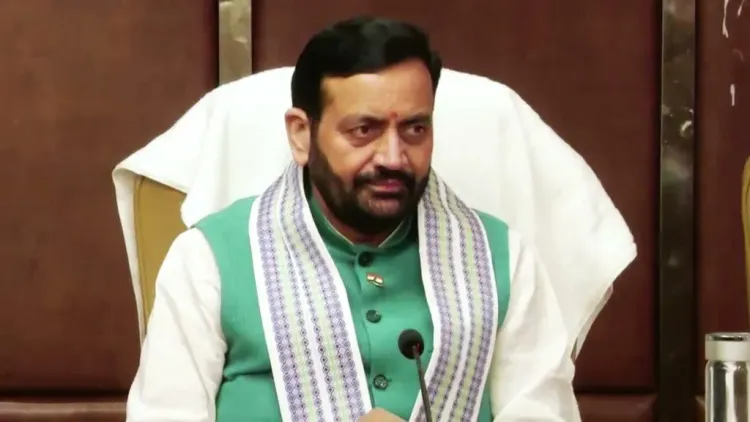
Haryana Chief Minister Nayab Singh Saini held direct talks with electricity employee unions on October 23, 2026, ending a power workers' strike. The CMO confirmed the resolution on X, signalling swift government intervention to prevent prolonged disruption to power supply across the state.
Key Takeaways
Haryana Chief Minister Nayab Singh Saini met electricity employee unions on October 23, 2026 , ending a strike in the power sector.
The Chief Minister's Office of Haryana announced the resolution via an official post on X.
The strike's end averts potential disruption to power supply for consumers, industries, and agriculture across Haryana.
Saini, CM since March 2024 , personally led the negotiations rather than delegating to officials.
The long-term stability of the settlement will hinge on implementation of terms agreed with the unions.
A strike by electricity employees in Haryana came to an end on Friday, October 23, 2026, after Chief Minister Nayab Singh Saini held direct talks with power workers' unions — a swift intervention that brought relief to consumers and industries dependent on uninterrupted supply across the state.
CM Saini steps in, unions stand down
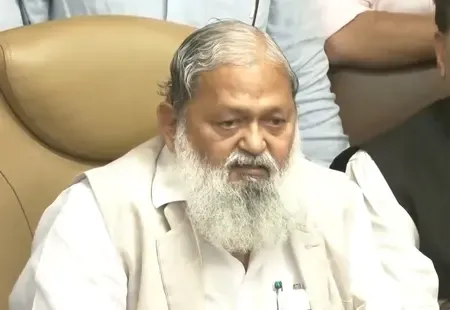
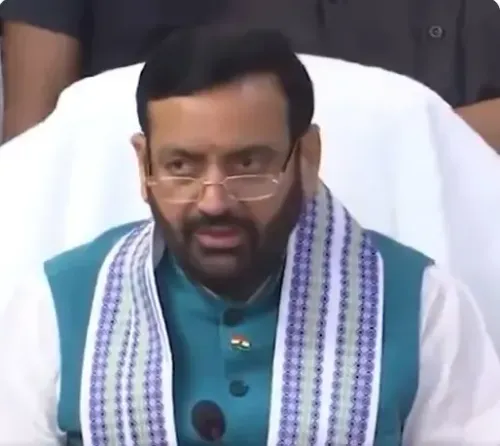
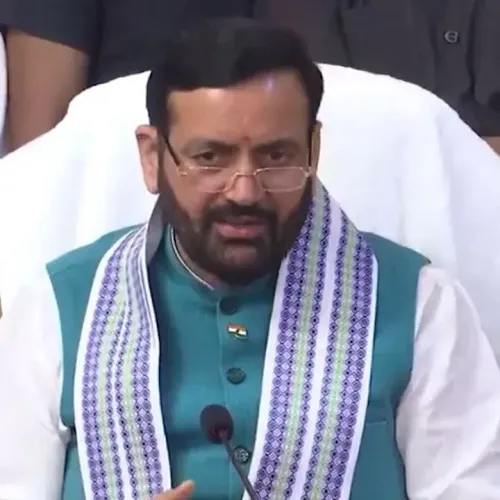
The Chief Minister's Office of Haryana confirmed the development on X, posting: 'मुख्यमंत्री श्री Nayab Saini की बिजली कर्मचारी यूनियनों के साथ बैठक के बाद हड़ताल समाप्त' — 'Strike ends after Chief Minister Nayab Saini's meeting with electricity employee unions.' The announcement points to a meeting between the CM and union representatives as the direct trigger for calling off the industrial action.
Strikes in essential services like electricity carry immediate and visible consequences — disrupted supply chains, shuttered small businesses, and darkened homes. That the government moved to the negotiating table quickly reflects the political cost of allowing a power disruption to drag on in a state where agriculture, industry, and daily life all run on reliable electricity.
Saini's pattern: direct engagement over protracted standoffs
Nayab Singh Saini has been Haryana's Chief Minister since March 2024, when the BJP elevated him to the post after he had served as a state minister and Member of Parliament. His tenure has been marked by the expectation of hands-on administration in a politically competitive state. Stepping personally into a labour negotiation — rather than delegating to a bureaucrat — signals a preference for visible resolution over drawn-out arbitration.
Across Indian states, electricity worker strikes are among the more consequential industrial disputes a government can face. Power distribution companies (discoms) are typically state-run, meaning the government is simultaneously the employer, the regulator, and the entity accountable to consumers. That triangle leaves little room for a long standoff.
What comes next for Haryana's power workers
The immediate crisis is over, but the durability of the resolution will depend on whether the government follows through on whatever commitments were made at the negotiating table — likely touching on wages, allowances, or service conditions. Union agreements that end strikes without a written, time-bound implementation plan have a habit of reigniting. Haryana's electricity employees and the state's discoms will both be watching closely.
Point of View
Where the BJP holds power in a competitive state, a visible, fast resolution protects the government from accusations of mishandling essential services. It also fits a broader pattern in Indian state governance where chief ministers increasingly prefer to be seen at the centre of labour settlements rather than above them. The real test, however, is not the handshake that ends the strike but the paperwork that follows — wage and service-condition agreements that go unimplemented have a well-documented history of triggering repeat action. Haryana's discoms and the unions will both be reading the fine print.
NationPress
23 Oct 2026
Frequently Asked Questions
Why did Haryana electricity workers go on strike in 2026?
The specific demands behind the Haryana electricity workers' strike in October 2026 have not been officially detailed in public disclosures, but such strikes in Indian state power utilities typically involve disputes over wages, allowances, or service conditions.
How did the Haryana power strike end?
The strike ended after Chief Minister Nayab Singh Saini held a direct meeting with electricity employee unions on October 23, 2026, as confirmed by the official Chief Minister's Office of Haryana on X.
Who is Nayab Singh Saini?
Nayab Singh Saini is the Chief Minister of Haryana from the BJP, sworn in during March 2024 after previously serving as a state minister and Member of Parliament.
Will the Haryana power workers' strike resume?
The strike has been called off following CM Saini's talks with unions. Whether it holds depends on the implementation of any agreements reached on wages or service conditions — a key watch point going forward.
How do electricity worker strikes affect common people in Haryana?
Strikes in the power sector can disrupt electricity supply to homes, farms, and industries, making swift resolution a priority for any state government accountable to consumers.