Haryana power strike called off after govt vows no privatisation, invokes Section 108
Synopsis
A one-day electricity strike in Haryana ended after Chief Minister Nayab Singh Saini and Power Minister Anil Vij personally assured unions that the state would invoke Section 108 of the Electricity Act to cancel a private distribution licence granted by HERC for Gurugram-Nuh — a rare case of a state government using its override powers to reverse a regulator's order under direct union pressure.
Key Takeaways
Haryana power employees called off their strike on 23 October 2026 after talks with CM Nayab Singh Saini and Power Minister Anil Vij in Panchkula .
The strike was triggered by HERC 's decision to grant a private electricity distribution licence for the Gurugram-Nuh area.
The state government invoked Section 108 of the Electricity Act , directing HERC to halt and revoke the licence order.
Both the Chief Minister and Power Minister signed the directive and handed it to the department on Friday.
A follow-up meeting between the government and union representatives is scheduled for 3 November at 3 pm .
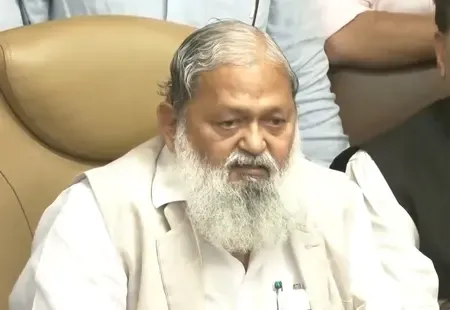
Haryana's electricity crisis was resolved on Friday, 23 October 2026, after power department employees called off their strike following an assurance from the Nayab Singh Saini-led state government that power companies in the state would not be privatised. The breakthrough came after two rounds of talks in Panchkula involving Chief Minister Nayab Singh Saini and Power Minister Anil Vij.
Why Employees Went on Strike
The standoff began on Thursday when power department employees launched a strike against a decision by the Haryana Electricity Regulatory Commission (HERC) to grant a distribution licence to a private company for the Gurugram-Nuh area. Employees viewed the move as the opening step toward full privatisation of the state's power sector — a red line for unions that have long resisted the entry of private operators into distribution.
Notably, the licence was not initiated by the state government. As Power Minister Anil Vij clarified, any entity can approach HERC under the provisions of the Central Electricity Act to seek a licence for a specific area — a regulatory route the state government says it had no role in inviting.
What the Government Promised
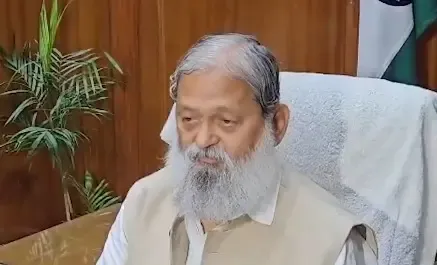
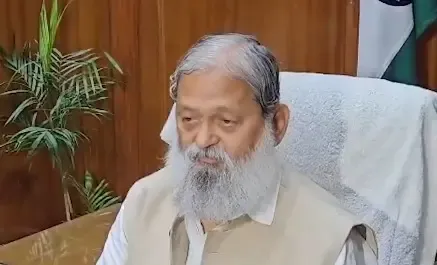
Following talks on Friday evening, the state government gave a firm commitment to cancel the licence granted to the private company. Power Minister Vij announced that the government would invoke Section 108 of the Electricity Act, which empowers a state government to issue binding directions to its electricity regulator when a regulatory decision is found to conflict with established policy.
Vij said: 'HERC had decided to grant licence to a private company in Haryana. From the very first day, we strongly opposed this before the regulator. I also want to make it clear that the government had not invited any applications from anyone.'
He confirmed that both Chief Minister Saini and he had already signed the letter directing HERC to halt the order immediately, and that a review application would also be filed under the same provision.
CM Saini's Position
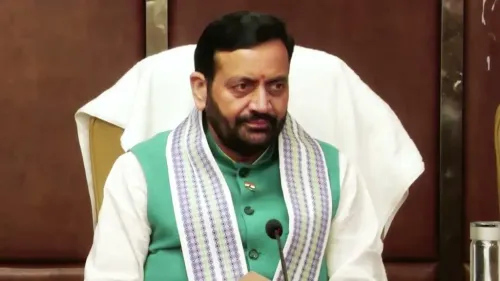
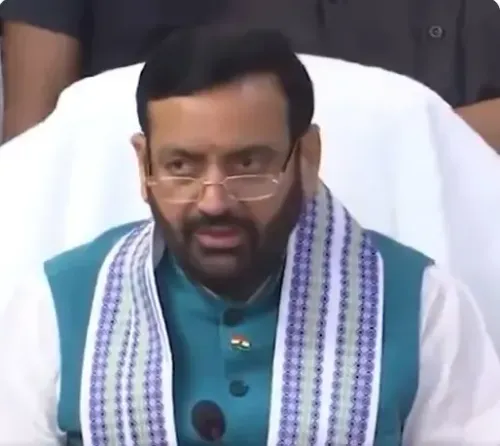
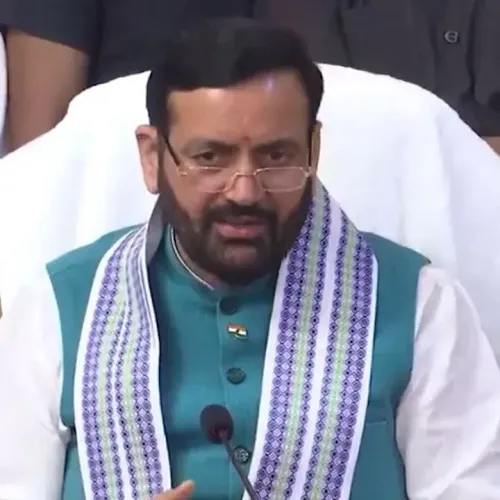
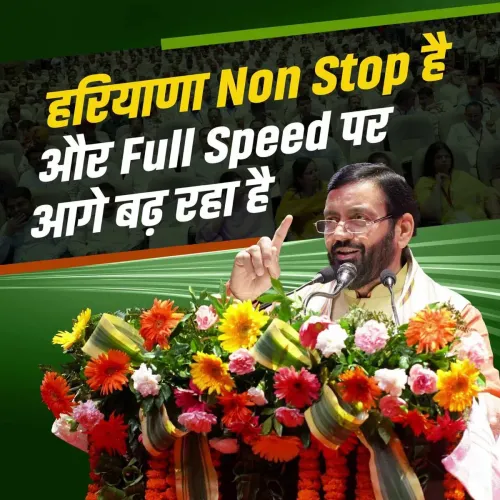
Addressing a press conference, Chief Minister Nayab Singh Saini reaffirmed the government's stance: 'Today, we signed and issued directions to HERC under Section 108 of the Electricity Act to revoke the order.' He stated categorically that the Haryana government stands with the power employees.
The assertion carries political weight — Saini's government has been keen to project a pro-worker posture, and a prolonged electricity strike in the approach to winter would have carried significant public consequences.
What Happens Next
The employee unions agreed to withdraw the strike after the second round of discussions. A follow-up meeting has been scheduled for 3 November at 3 pm, where a point-by-point update on the progress made — including the formal revocation of the licence — will be presented to union representatives.
This comes amid a broader national debate over electricity distribution privatisation, with several states having faced similar protests in recent years. Whether HERC complies with the state's Section 108 directive, and how the private applicant responds legally, will determine whether Friday's resolution holds.
Point of View
Which could deter future private investment in the sector. The deeper question is whether Haryana has a coherent distribution reform plan at all, or whether it is simply deferring structural decisions each time they surface. Friday's resolution buys short-term peace; it does not resolve the underlying tension between ageing public utilities and the capital they cannot attract without private participation.
NationPress
23 Oct 2026
Frequently Asked Questions
Why did Haryana power employees go on strike?
Power department employees struck on Thursday in protest against a decision by the Haryana Electricity Regulatory Commission (HERC) to grant a private distribution licence for the Gurugram-Nuh area. Unions saw it as the first step toward privatisation of the state's electricity sector.
How was the Haryana power strike resolved?
The strike ended after two rounds of talks on Friday evening in Panchkula, where Chief Minister Nayab Singh Saini and Power Minister Anil Vij assured unions that the licence would be cancelled. The government invoked Section 108 of the Electricity Act, signing and delivering a directive to HERC to revoke the order immediately.
What is Section 108 of the Electricity Act and why was it invoked?
Section 108 of the Electricity Act empowers a state government to issue binding policy directions to its electricity regulator. Haryana invoked it to direct HERC to halt and revoke the private distribution licence, arguing the decision conflicted with the state's established policy of keeping power companies in public hands.
Did the Haryana government approve the private licence in the first place?
No. Power Minister Anil Vij clarified that under the Electricity Act, any entity can approach HERC independently to seek a distribution licence for a specific area, without government approval or invitation. The state government says it opposed the move before HERC from the outset.
What happens next after the strike is called off?
A follow-up meeting between the government and union representatives is scheduled for 3 November at 3 pm, where a detailed update on the revocation of the private licence and other commitments will be presented.