Delhi HC plea seeks suo motu action on Malviya Nagar fire tragedy
Synopsis
A lawyer's open letter to the Delhi High Court over the Malviya Nagar fire does more than demand a probe — it targets the entire safety-enforcement chain, from municipal inspectors to Airbnb and OYO listings, invoking the ghost of Uphaar and Article 21 to argue that preventable deaths are a constitutional failure, not just a regulatory lapse.
Key Takeaways
Advocate Bhavishya Shakya has filed a letter plea before the Delhi High Court seeking suo motu cognisance of the Malviya Nagar fire tragedy .
The plea demands an independent, transparent and time-bound probe and judicial oversight of the investigation.
It questions whether the premises held valid fire safety clearances and whether mandatory inspections were conducted.
Online platforms including Booking.com , Airbnb , OYO , Agoda , MakeMyTrip and Goibibo are urged to be required to verify fire safety compliance before listing properties.
A city-wide audit of all commercial lodging establishments in Delhi has been sought, along with compensation and rehabilitation for victims.
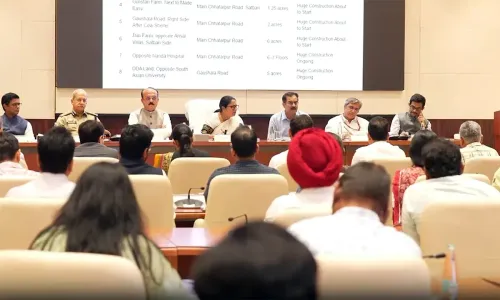
Delhi CM Rekha Gupta has already convened a high-level meeting with MCD , Delhi Police , Delhi Fire Service and DDA officials.
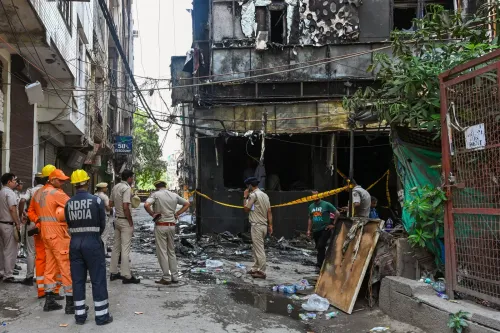
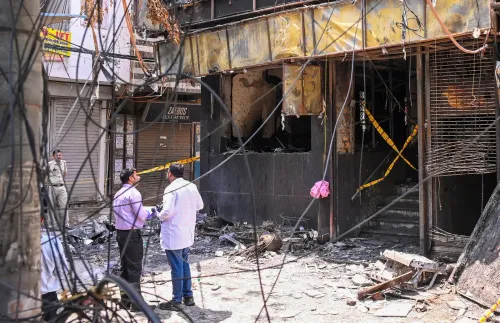
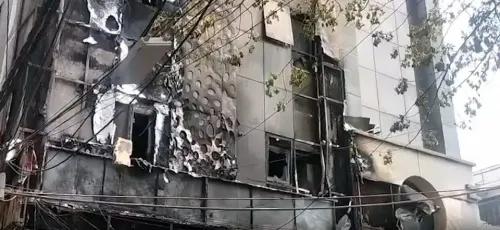
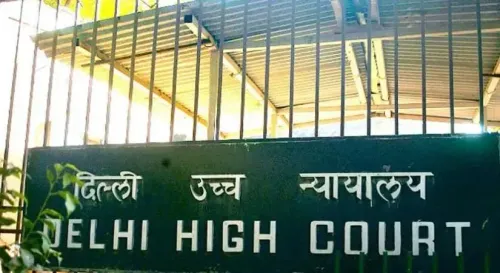
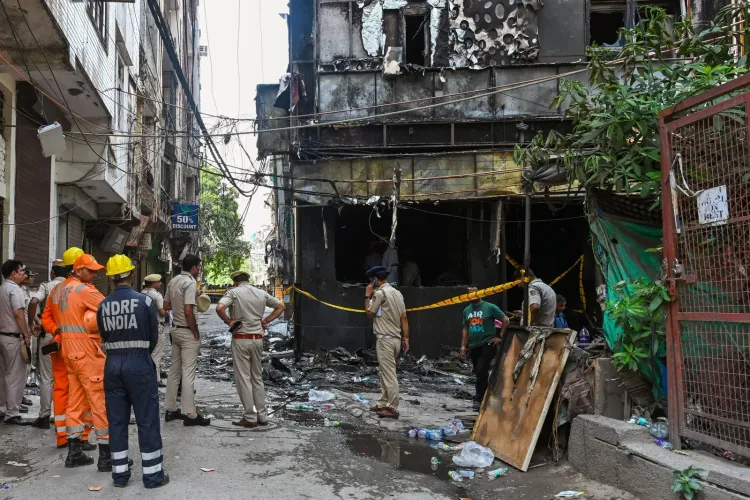
A letter plea filed before the Delhi High Court has urged the court to take suo motu cognisance of the Malviya Nagar fire tragedy, calling for judicial oversight of the probe, accountability of officials and private parties, and sweeping systemic reforms to public safety enforcement in the national capital. The petition, addressed to the Chief Justice of the Delhi High Court, demands an independent, transparent and time-bound investigation into the circumstances that led to the deadly blaze.
What the Petition Seeks
Filed by advocate Bhavishya Shakya in the form of an open letter, the plea contends that the tragedy — which claimed innocent lives and caused immense suffering to affected families — has once again exposed serious lapses in the enforcement of public safety laws and regulatory oversight in Delhi. The petition urges the court to examine whether authorities discharged their statutory obligations to ensure compliance with fire safety standards.
Specifically, the plea questions whether the premises held valid fire safety clearances, occupancy permissions and statutory licences; whether mandatory inspections were conducted as required by law; and whether any prior complaints or safety-deficiency reports were acted upon by the concerned authorities.
Uphaar Parallels and Constitutional Grounds
Drawing a pointed parallel with the Uphaar Cinema tragedy, the petition argued: 'The painful lessons of the Uphaar Cinema tragedy continue to resonate across the nation. That tragedy demonstrated that large-scale loss of life often results not merely from private negligence but from systemic regulatory failures, inadequate enforcement, and institutional lapses.'
Invoking Article 21 of the Constitution, the plea contended that the right to life encompasses the right to live with dignity, safety and reasonable protection from preventable hazards, placing a binding obligation on authorities to enforce laws designed to protect human life. The petition also sought directions for registration of appropriate criminal proceedings wherever investigations reveal negligence, misconduct, corruption, collusion or breach of statutory obligations by public officials or private persons.
Online Accommodation Platforms in the Crosshairs
Beyond the immediate incident, the plea raised broader concerns about online accommodation booking platforms — naming Booking.com, Airbnb, OYO, Agoda, MakeMyTrip and Goibibo — arguing that members of the public routinely assume that properties listed on such platforms comply with basic fire safety and legal requirements. The petition urged the court to consider directing the formulation of a regulatory framework requiring these platforms to verify fire safety clearances, occupancy permissions, trade licences and other mandatory statutory compliances before listing any property for public booking.
Audit, Compensation and Accountability Demanded
Among other reliefs sought, the plea called for a comprehensive city-wide audit of hotels, guest houses, hostels, homestays, paying guest accommodations and other commercial lodging establishments operating across Delhi, along with adequate compensation, rehabilitation, counselling and support for the victims and their families.
'The affected families deserve answers, the citizens of Delhi deserve accountability, and the rule of law demands that public safety obligations be enforced with seriousness and integrity,' the letter stated.
Government Response So Far
The plea comes in the wake of the Malviya Nagar fire, following which Delhi Chief Minister Rekha Gupta convened a high-level meeting with senior officials from the Municipal Corporation of Delhi (MCD), Delhi Police, Delhi Fire Service, Delhi Development Authority (DDA) and other departments. Gupta stated that shortcomings behind the incident would be thoroughly investigated, accountability fixed, and strict action taken against illegal properties, hotels and guest houses operating without permission, as well as establishments violating fire safety regulations and building by-laws. Whether judicial intervention will now accompany the executive response remains to be seen.
Point of View
But for what it reveals about the structural gap between fire safety law on paper and enforcement on the ground in Delhi. The Uphaar reference is deliberate — that 1997 tragedy produced landmark Supreme Court rulings, yet here we are, decades later, with the same questions being asked about the same regulatory failures. The move to rope in online accommodation platforms is the most consequential ask: if courts agree that OYO or Airbnb bear a duty-of-care obligation for listed properties, it could reshape liability frameworks for the entire hospitality-tech sector in India. The executive response from Chief Minister Gupta, while swift, follows a familiar post-tragedy script; the real test will be whether judicial oversight forces a departure from that pattern.
NationPress
23 Oct 2026
Frequently Asked Questions
What is the Malviya Nagar fire tragedy?
The Malviya Nagar fire tragedy refers to a deadly fire incident in the Malviya Nagar area of New Delhi that claimed innocent lives and caused significant suffering to affected families. The incident has prompted calls for an independent judicial inquiry into fire safety enforcement lapses in the national capital.
What has the Delhi High Court plea asked for?
The plea has urged the Delhi High Court to take suo motu cognisance of the tragedy, order an independent and time-bound probe, fix accountability of public officials and private parties, and direct systemic reforms including a city-wide audit of commercial lodging establishments and a regulatory framework for online accommodation platforms.
Why are platforms like OYO and Airbnb mentioned in the plea?
The petition argues that members of the public assume properties listed on platforms such as Booking.com, Airbnb, OYO, Agoda, MakeMyTrip and Goibibo comply with fire safety and legal requirements. It urges the court to direct these platforms to verify fire safety clearances and statutory compliances before listing any property.
How has the Delhi government responded to the Malviya Nagar fire?
Delhi Chief Minister Rekha Gupta convened a high-level meeting with officials from the MCD, Delhi Police, Delhi Fire Service and DDA following the tragedy. She stated that shortcomings would be investigated, accountability fixed, and strict action taken against illegal properties and establishments violating fire safety regulations.
What is the significance of the Uphaar Cinema reference in the plea?
The Uphaar Cinema tragedy of 1997 resulted in landmark judicial rulings on fire safety and regulatory accountability. By invoking it, the plea argues that India has repeatedly failed to institutionalise those lessons, and that large-scale fire deaths continue to stem from systemic regulatory failures rather than isolated private negligence.