CM Himanta flags 90% progress on Jorhat embankment repairs
Synopsis
Assam CM Himanta Biswa Sarma reports 90% embankment restoration at Kakodonga and over 60% at Charaipani in Jorhat, with geo bags and geo tubes accelerating breach closures ahead of further monsoon pressure.
Key Takeaways
Embankment restoration at Kakodonga, Jorhat has reached 90% completion as of July 30, 2026 .
Charaipani and other affected areas have crossed the 60% restoration mark .
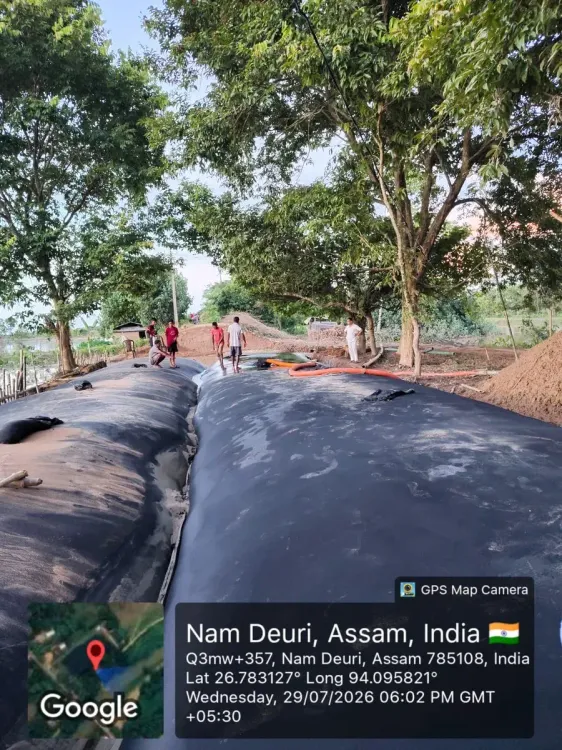
The state is using geo bags and geo tubes — modern geosynthetic materials — to speed up breach closure.
Jorhat district in eastern Assam is among the most flood-prone areas along Brahmaputra tributaries .
Faster restoration directly protects farmland, homes, and infrastructure for flood-affected communities in the district.
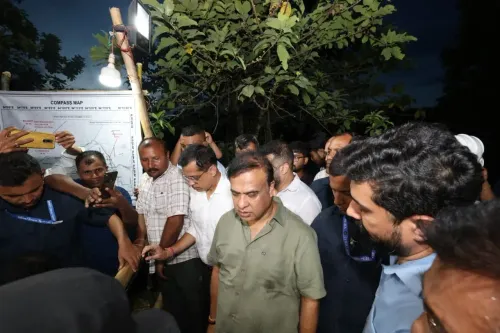
Racing to close the gaps before the next flood surge, Assam Chief Minister Himanta Biswa Sarma on Thursday, July 30, 2026 reported swift progress in restoring breached embankments across Jorhat district — one of eastern Assam's most flood-vulnerable stretches.
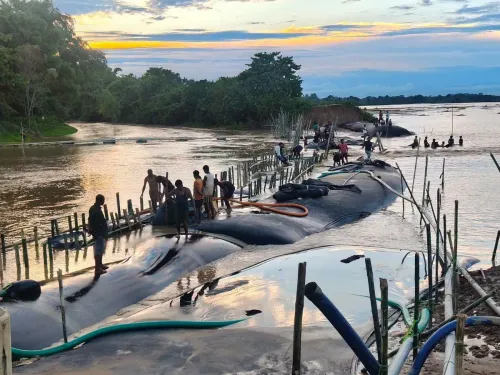
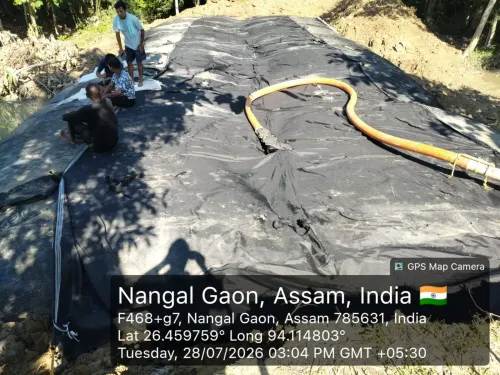
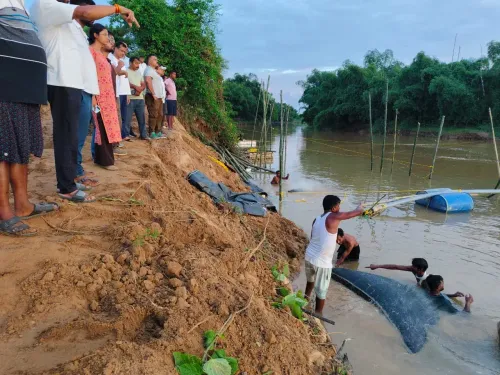
The Chief Minister confirmed that restoration work at Kakodonga has crossed the 90% mark, while Charaipani and other affected areas have surpassed 60% completion. Critically, the state is deploying geo bags and geo tubes — modern geosynthetic materials that can be placed rapidly in breach zones — to accelerate closure of the most vulnerable gaps.
Why geo bags and geo tubes are changing the repair calculus
Traditional embankment repair in Assam has long relied on earthen fills and stone pitching — methods that are slow, labour-intensive, and frequently undone by fast-moving floodwaters. Geo bags (sand-filled geotextile sacks) and geo tubes (large tubular geotextile containers filled with dredged material) offer a faster, more flexible alternative: they conform to irregular breach profiles, resist erosion, and can be deployed even during active flood conditions.
State administrations across Assam have increasingly turned to these materials over recent monsoon cycles, particularly along Brahmaputra tributaries where embankment failures can inundate vast agricultural tracts within hours. The shift signals a broader move away from purely reactive, post-flood patching toward more engineered, durable closures.
Jorhat's recurring vulnerability and what the numbers mean
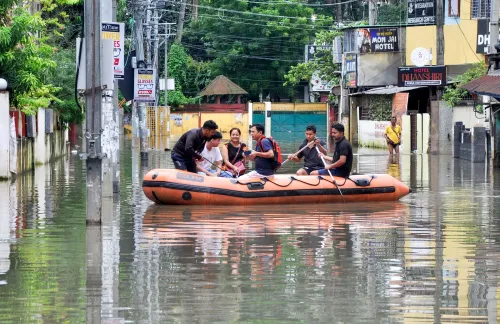
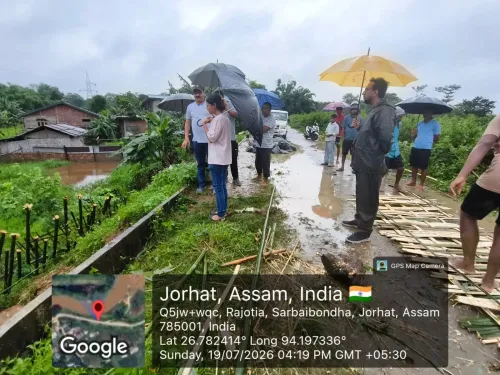
Jorhat district sits in eastern Assam's flood plain, where rivers draining the upper catchment regularly breach their banks during the monsoon. Embankment breaches in areas like Kakodonga and Charaipani expose farmland, homes, and infrastructure to prolonged inundation — losses that compound year on year for affected communities.
Reaching 90% progress at Kakodonga means the most critical protective barrier is nearly sealed. The remaining work at Charaipani and other sites — past the 60% threshold — suggests the state is tracking toward full closure before conditions worsen. For Jorhat's residents, these percentages are not bureaucratic metrics; they are the difference between a harvest saved and a season lost.
The race is not over. Every percentage point left undone is a gap that a surge can exploit. Whether the final stretches close in time will determine how Jorhat weathers what the monsoon still has to deliver.
Point of View
Faster-deploy solutions, a shift with implications for how the state budgets and procures flood-control materials going forward. With monsoon seasons growing more unpredictable across the Brahmaputra basin, the pressure on state governments to show completed — not just initiated — works before peak discharge is intensifying. How quickly the remaining gaps at Charaipani and other sites are sealed will test whether the new methods can deliver on their promise at scale.
NationPress
14 Sept 2026
Frequently Asked Questions
What is the current status of Jorhat embankment repair in Assam?
As of July 30, 2026 , embankment restoration at Kakodonga in Jorhat has reached 90% completion , while Charaipani and other areas have crossed 60% , according to CM Himanta Biswa Sarma .
What are geo bags and geo tubes used in Assam flood repair?
Geo bags are sand-filled geotextile sacks and geo tubes are large tubular geotextile containers filled with dredged material. Both are used to rapidly close embankment breaches, as they resist erosion and can be deployed even during active flooding.
Why does Jorhat face frequent embankment breaches?
Jorhat district lies in eastern Assam's flood plain along Brahmaputra tributaries . Monsoon runoff from upper catchments regularly overwhelms embankments, inundating farmland and settlements.
Who is overseeing Assam's flood embankment restoration in 2026?
Assam Chief Minister Himanta Biswa Sarma is directly monitoring and publicly reporting progress on embankment restoration works across Jorhat district .
What areas in Jorhat are undergoing embankment repair?
Confirmed repair sites include Kakodonga and Charaipani in Jorhat district , with additional unspecified areas also reported to be in progress.