CM Himanta Backs Nandan Nilekani-Led Exam Reform Task Force
Synopsis
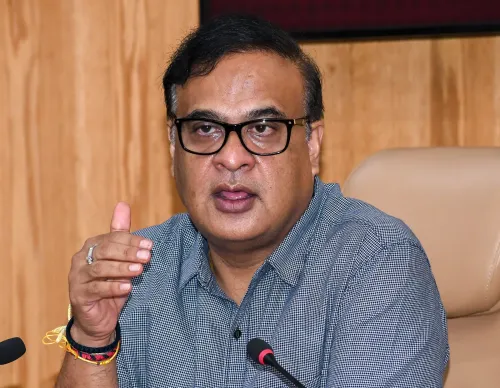
Assam Chief Minister Himanta Biswa Sarma has welcomed Prime Minister Modi's formation of a High-Powered Task Force on examination reform, praising Nandan Nilekani's appointment as chair. Sarma called the move a step toward a fair, merit-based, and transparent system for India's students.
Key Takeaways
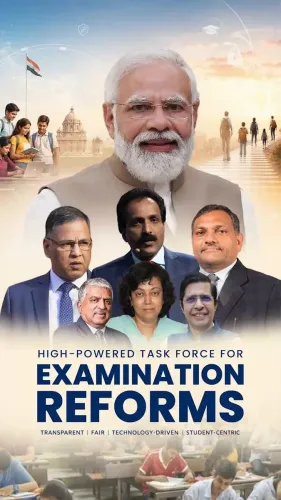
CM Himanta Biswa Sarma publicly endorsed PM Modi's decision to constitute a High-Powered Task Force on examination reform on 26 July 2026 .
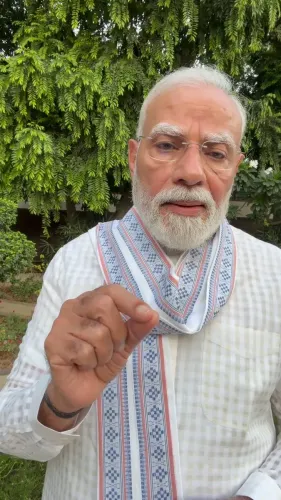
Nandan Nilekani , co-founder of Infosys and architect of the Aadhaar system, has been appointed to lead the task force.
Sarma highlighted Nilekani's proven record in making 'large-scale public systems more leak proof and citizen-centric.' The initiative is framed as part of India's #ReformExpress — the government's broader governance and transparency drive.
The task force is expected to recommend changes to examination conduct and oversight mechanisms affecting crores of students.
The move builds on the National Education Policy 2020 's push for structural reform in India's assessment systems.
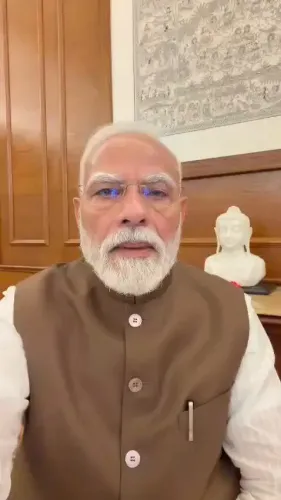
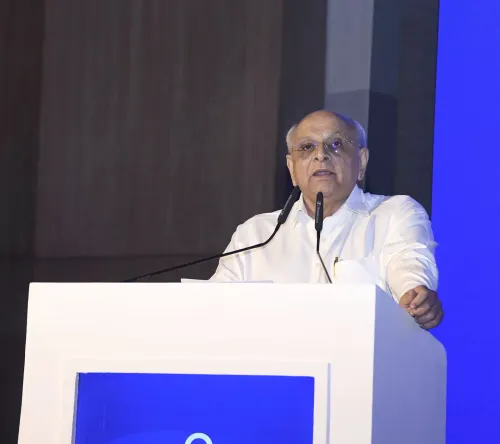
Assam Chief Minister Himanta Biswa Sarma on Sunday, 26 July 2026, welcomed Prime Minister Narendra Modi's decision to constitute a High-Powered Task Force on examination reform, expressing full confidence in its mandate to make India's public testing systems more transparent and student-centric.
Context
CM Sarma described the appointment of Nandan Nilekani as the task force's head as an ideal choice, stating that 'there could be no better person than Shri Nandan Nilekani Ji to lead this High-Powered Task Force.' He praised the committee's 'very distinguished members who have dedicated their lives in furthering national building through innovation and determination.' The Chief Minister extended his best wishes to all members and expressed confidence that the initiative would 'strengthen India's #ReformExpress and deliver a fair, merit-based and transparent process for our students.'
Policy Backdrop
Nandan Nilekani, co-founder of Infosys and former chairman of the Unique Identification Authority of India (UIDAI), spearheaded the rollout of the Aadhaar biometric identity programme from 2009 onward — a project widely cited as one of the largest technology-enabled public delivery systems in the world. His track record of reducing leakages and building citizen-centric digital infrastructure makes him a recognisable choice for a role demanding systemic integrity.
The National Education Policy 2020 had already flagged the need for structural reform in assessment systems, recommending greater transparency and a reduction in high-stakes examination pressure on students. The new task force appears to operationalise that broader reform intent with a focused institutional mechanism.
Stakeholders and Impact
The primary beneficiaries of any reform emerging from this task force are India's millions of examination aspirants — students appearing for competitive and board-level tests that determine access to higher education and government employment. Concerns around paper leaks, irregularities, and the erosion of student trust in public examination systems have been a recurring issue in recent years.
CM Sarma's endorsement, coming from a state-level leader who also convenes the North-East Democratic Alliance (NEDA), signals broad political support within the ruling coalition for this reform initiative. The framing of the task force as part of India's 'ReformExpress' situates it within the government's larger governance modernisation narrative.
What's Next
Attention will now turn to the task force's terms of reference, its timeline, and the specific recommendations it produces on examination conduct and oversight. Any structural changes to how large-scale public examinations are designed, administered, or monitored will affect crores of students and the institutions that serve them. The release of the task force's report will be a key milestone to watch in India's ongoing education reform agenda.
Point of View
Giving it ideological coherence beyond a one-off administrative fix. The real test will be whether the task force's eventual recommendations translate into enforceable structural changes, or remain aspirational.
NationPress
25 Oct 2026
Frequently Asked Questions
Who is leading the High-Powered Task Force on examination reform in India?
Nandan Nilekani, co-founder of Infosys and former UIDAI chairman who led the Aadhaar project, has been appointed to lead the High-Powered Task Force on examination reform announced by Prime Minister Narendra Modi.
Why did Assam CM Himanta Biswa Sarma welcome the exam task force?
CM Himanta Biswa Sarma welcomed the task force because he believes a credible examination system requires transparency and integrity, and he considers Nandan Nilekani's experience with large-scale public systems uniquely suited to making exams more leak-proof and student-centric.
What is India's ReformExpress initiative?
'ReformExpress' is a term used by the BJP-led government and its allies to describe a series of governance and transparency reforms. CM Sarma linked the new examination task force to this broader reform agenda.
What problems does the High-Powered Task Force on exams aim to solve?
The task force is aimed at addressing issues of paper leaks, lack of transparency, and erosion of student trust in public examination systems, with a mandate to build a more robust, merit-based, and citizen-centric process.
How does Nandan Nilekani's Aadhaar experience relate to exam reform?
Nilekani's leadership of the Aadhaar biometric identity programme demonstrated how technology and process design can reduce leakages and improve integrity in large public systems — the same principles the task force is expected to apply to India's examination infrastructure.